[00:00:00] Tayson: Hey everybody, welcome back to the Live Ultralight Podcast powered by Outdoor Vitals. Today I've got Brigham on the show and we're going to further our cause to eliminate some of these fears, help you guys feel more confident when you're getting outside so that you can disconnect from this crazy world and get outside more and do so with more comfort and more confidence. So keys to getting a good night's sleep outdoors. This is a very popular and important subject for people that are trying to get out more frequently or even for veterans that have done this forever. You can always pick up little tips. So that's what we're going to be talking about today. Just all things sleeping outside, how to stay warm, how to stay comfortable. And hopefully we can just really cover all angles of this topic at hand. So Brigham, how are we doing today?
[00:00:47] Brigham: Doing well.
[00:00:48] Tayson: How long has it been since you've slept outside? Let's start off with that question.
[00:00:57] Brigham: Man, was I gone last weekend or the weekend before? I can't remember. A week or two, I did a little backpacking trip in Zion National Park.
[00:01:04] Tayson: You've been getting out frequently though. I feel like you've been optimizing your August and September quite well and getting some time out there. So you've been sleeping good.
[00:01:17] Brigham: Yeah.
[00:01:18] Tayson: If you say no, we end the podcast.
[00:01:20] Brigham: I've been sleeping pretty good at times too warm, but that's okay.
[00:01:27] Tayson: That's better than the alternative, right?
[00:01:28] Brigham: Yup.
[00:01:30] Tayson: Okay. Yeah, I'm excited to approach this subject. It's one that I've definitely gone from one end of the extreme to the other. I feel like as far as having terrible, like, I mean, as a kid, I slept so bad outside all the time, was constantly frozen or just whatever it was, just never good. And then to where now, I mean, I'm going to count it up again for this year, but usually, you know, sleeping in a tent or outside 30 nights a year, it seems like. And, um, it's not something that's foreign or like that I dread or anything like that. It's like, no, I can, I can sleep really well out there. And, and, uh, so there's some, there's some takeaways there. So hopefully that's really what we're getting into. And if you're someone who's got some apprehension at all about sleeping outside, about either poor sleep quality or being cold, I think those are the two main subjects that we'll, we'll really be talking about today. So where, where do you want to start off? Any, any, uh, particular areas where you're like, yeah, let's just start right here today and dive into it.
[00:02:34] Brigham: Uh, I was kind of thinking of it about it leading up to this kind of how you just kind of used, you sort of passively broke it up into sleeping. Would you say comfortably or, or warm or warm? Let's so, so maybe that's the way we could do it is break it up into like temperature, like how to sleep optimally for temperature and then how to sleep. Let's just say kind of like some of those little comforts, intangible comfort, calmness things. Um, so yeah.
[00:03:05] Tayson: So speaking on the subject of sleeping warm outside, um, what do you feel like is, is like the number one piece that people need to, to be aware of?
[00:03:19] Brigham: Um, well, it's tough because there is, there's a whole system, there's a whole, there's a whole system of things to, to account for. I mean, cause to me, it's, it's almost like you're just the, the environmental factors, they are what they are and our, our way of staying warm enough is by just accounting for all the different variables. So, uh, maybe let's start with what people get wrong the most frequently, where people go wrong the most with being cold outside or cold while they sleep. Um, I think probably up there in the list would definitely be sleeping pad selection. Um, I think a lot of people, the, we, a lot of people consider the, the sleeping bag slash quilt as like the key component and it, I mean, it is, but without the pad, it's, it's like just, it just does not live up to whatever it's rated for. So it's almost like with that, with that pad, no matter what, it will rob you of the right temperature.
[00:04:33] Tayson: I don't think people go to the store and say, all right, I'm going to go sleep outside and it's going to be 30 degrees and be like, I can get by with a 40 degree sleeping bag, like 90 % of the time they're like, because they can see a temperature rating on a bag, they're buying that cold or colder, but pads are tricky because they don't say it that way. They have R-values. And so then it's like, well, what's this conversion and maybe I don't understand it and it's not as you don't think about it as much. So I don't think that people get their temperature, their sleeping bag temperature. Wrong nearly as much as their pads because of some of that education side of things. But yeah, just like what you're saying. Like a good way to demonstrate this. For those of you that are watching, would be like this microphone stand that I've got right here. If I wrapped my hand around this, this metal and held it. If this if it was cold out, this metal would be freezing cold. And it's gonna still all of the heat out of my hand as quickly as possible. Even if I had a nice glove on and I was squeezing onto this, applying pressure, all of that insulation. In the glove is going to compress and my hands going to be extremely cold in in no time at all. Right. And that's exactly what a pad is doing underneath this but people don't often visualize that so pad to me is number one so maybe quick and that's something that we've probably covered a decent amount in the past. So maybe just quickly. some high-level things that we can tell people to look for in a pad, you know, to I don't know to to optimize or to shortcut not getting in the weeds of what exact pad do. They need? And things like that?
[00:06:01] Brigham: Yeah. I'd say the quickest and easiest answer, I could come up with is you'll very rarely ever feel like you have too warm of a pad so maybe that's one way of looking at is just by the warmest darn pad that you can get like
[00:06:18] Tayson: I mean you think about sleeping on your mattress at home. That's got a lot of R-value and no one complains about it, right?
[00:06:23] Brigham: Right. So I mean if you just want to like the hey let's just solve this, we have one pad and that's it. Like then just just buy the warmest pad and that warmth is going to be evaluated or measured by R-value. So if you're shopping around for a pad, look for the term R value and just find the one with the highest one in terms of warmth, like you're never going to be Complaining that you felt so warm underneath. You just never met anybody that encountered that problem. However, you know, when what I'm getting at is like, you can have like seven, say a seven, r value pad, and be sleeping in 50 degree temperatures, with a 50 degree top quilt and half of it, you know, not even on your body and you're not gonna feel like you're too hot because you had two warm of a pad, you're going to feel too warm, because you have a quilt on. It's interesting how that Flip flops on you. But yeah so that's that's like the quick and easy but things to look for like I mentioned is R-value. That's how well the pad. Resists heat loss coming from underneath your body. So I think most people are, I'd call them three. Seasoned Backpackers.
[00:07:42] Tayson: Yeah.
[00:07:42] Brigham: And I'd say for a good safe three season. sleeping pad r value, you want at least like a 3.2 in the low threes like at a minimum again, with seasons. that can be a little bit like, Miss. Misleading, because some Seasons, you'll still get quite cold. But I'd say temperate weather you know where it's not going to be freezing at night. I think an R-value in the threes is probably just where you're going to be safe and then if you're going to be approaching freezing or let's just say maybe below freezing. Yeah you want to you want to have an R value? Closer, or at 4 or warmer. If you're getting into the teens and single digits, then I think you want to be in a pad with a five r value. And if you're going to be below zero I think I think people need a six r value pad.
[00:08:50] Tayson: Yeah.
[00:08:50] Brigham: In terms of, you know, other things to look for there's everybody has ways that they sleep differently and there's different structures or kind of baffling structures that make up a pad and those are you can see those when the pad is inflated so they'll have like little kind of What? I don't know what you call kind of quilted baffling and baffling where it kind of looks like a bunch of little pillows arranged. Some of them are just like horizontal or lengthwise tubes and those can affect people differently in terms of comfort. But in terms of warmth, I think, R-value is it? Well, it is the most important thing to look for
[00:09:35] Tayson: Yeah, I think I think you're out of that. Those temperatures is really good too, so if you missed that, rewind that back and listen to that. Again, that's a that's a really good kind of guiding grade per se of like, okay, temperature-to-R-value ratio. Um, I can't speak to this personally, but and maybe I shouldn't even bring this up. But there are YouTubers and people out there that really dive into this. lot of pads, Justin Outdoors being one of them and, you know, he even talks a little bit about even with the newer R-value testing that there is It doesn't always give you the full picture of how it sleeps outside. So, just take that for what it's worth. Our Oblivion Sleeping Pad is a 3.5 r value pad. I've taken it down into the High Teens. I don't think that's the recommended amount, but which is why I would probably go back to what Brigham said of like taking something like that. A 3.5 and being like, okay, this will take me to like 30 degrees very comfortably and then, potentially looking for an even higher R-value. When you're, when you're dipping underneath that, or layering underneath it with additional pads, which is one thing that I would just add here and we'll probably come up on the come up later too. Is, you know, adding something like our 1/8-inch foam pad underneath or even a thicker pad underneath is a great way to stretch the length or the season of your sleeping pad. Because there's not a bunch of options for five-plus R-value pads out there. So if you're looking at a three and a half, to a four-and-a-half R-value, which is where the bulk of good insulated, pads are at you can stretch the seasons with those, with, by layering foam and stuff like that, underneath them. So, yeah, for, for a much lower cost. So, if you're going to one Pad but you want to still use that same pad in Colder Weather, you know, you can buy a 30, maybe 40 dollar closed cell foam pad that has an R-value of like 1.8, Put that underneath and like with that setup that's very reliable into like single digit temperatures in. Multiple experiences. Personally. So, like that is, you know, instead of buying another 100 to 300 dollar pad, That's an option that works quite well. It's just you know obviously takes up more space in or on the back. Yeah. So sticking with the theme of sleeping warm. Let's maybe touch on this really quick. I don't want to spend too much time because again, I don't think it's where people are getting wrong, but when you're talking about ratings of sleeping bags, If you're in a retail, you know Big Box store the rating of the sleeping bag, that's listed could be men or women. So, pay attention to that and it also is typically the lower Comfort rating, a rule of thumb, typically, for that, is at about 10 degrees to the rating. And that's going to give you more of an actual Comfort rating on that. So, just being mindful of, if I'm expecting to get to 20 degrees and I buy a 20 degree sleeping bag and REI that may not actually equate to what you want it to in the field without wearing additional layers or or doing some other things. So, usually pad your sleeping, your sleeping bags degree rating. A little bit with a lot of our testing. We do try to get it as close to as possible sometimes Our en reading so that we, you know, that we get back sometimes we're you know, right at the Comfort rating or they're close but we try to make ours a little bit more approachable to make. Sure people are having great experiences out there but be aware that the listed value is not necessarily the value that you're going to sleep comfortable. A lot Outdoors typically pad at with five to 10 degrees Also note with quilts, there's not, there's not really an official test for quilts out there. So, Be aware that you're at the mercy of whoever you're buying the quilt from to see how accurate their ratings are. So, do some review research and see what people are saying about how those quilts sleep in the field. If they sleep a little cold little warm but you might have to do just a hair more research online to discover those things.
[Editor’s note: The pad R-value thresholds, temperature examples, bag and quilt rating comments, layering claims, prices, and product references above reflect a historical October 2023 discussion and personal field experience. They are not universal temperature guarantees or current product specifications; use current manufacturer test information and conditions-specific cold-weather guidance.]
[00:13:48] Brigham: Yeah, for sure. That's I mean It's a that's like the the only downside of quilts for me because I love topicals. But like just For a new user of a top quilt. I can Totally reasonable to have some hesitation just because of that, really lack of standardized system to to really have a reliable number of as to what temperature rating. So yeah, you kind of have to go a little bit out of the box and research of You know, one-on-one talking to people that, you know, borrowing one reading reviews, and just kind of having to rely on judgment and you know other people's input.
[00:14:27] Tayson: Well, even coverage is a factor there, right? Because like, someone could sleep warm in a sleeping or a top quilt, that's maybe like a smaller not as white of one, you know, Etc. But they might be someone who just doesn't toss and turn throughout the night. Then you get that that top quilt you toss and turn and suddenly you're like, and I'm just struggling to sleep warm, you know, where and so that might work for one person but not the other because maybe a different top quilt that has a wider coverage and more more curves and what not to it would have actually slip better. So top quilts just take a little bit more knowledge. Your sleep style, maybe a little bit of research on what the consensus of General. People are saying if they sleep warm, sleep cold, but but again, I'm like, with Brigham, I love top quilts, they're my go-to 80% of the year. So, Okay, let's maybe stick with kind of this, this theme of, you know, bags pads. So let's talk about clothing, warrant to bed, you know, head to toe. So obviously with the top quilt wearing something on your head is as much more important. You don't have a hood but I would probably argue that it can be just as important to sleeping bag because not many people are actually cinching down their their sleeping bags right down to their face and even if they are like, it's not cinching so tight that airs not getting in there. Still. So, you know, taking care of your head is important. So depending on temperatures, kind of my rule of thumb personally, Brigham's, not quite as aggressive with this, but I'll wear a down beanie if I'm in the 3 0. I'm above, if I'm in the 40 degree range, I'll just might just wear the hood of my my hoodie or whatever I'm sleeping in at night. 30 degree I typically will start bringing it down beanie and then under 30 degrees, I'll start bringing the down LoftTek Hybrid Balaclava, that we sell, which is a full, you know, a full balaclava-style hood, it's a head puffy.
[00:16:19] Brigham: Yeah, yeah, exactly.
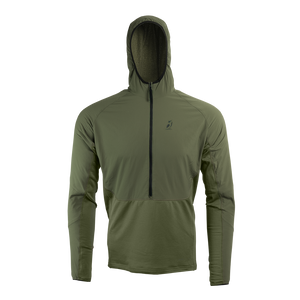
[00:16:20] Tayson: So That's what I do personally. And that's not to say though that even in that, like I'll still put up because, you know, a lot of our pieces are base. Layers are altitude are turn base layers. They still have a hood, so a lot of times I'll still run the hood and then pull the balaclava over. That's kind of my preferred method. It's a little more comfortable next to skin and helps manage moisture throughout the night tooth if you've got anything going on there. So that's kind of the three tiers I use when it comes to keeping your head warm but definitely don't ignore that because if your head's just exposed all night, you will not sleep more and it'll just pull pull heat out of you all night. Sometimes, I will also run a like a like our Merino wool balaclava or a gaiter neck gaiter. So I'm trying to say so that I can Actually breathe through that. So that my, I don't have bare skin for say, showing to the, to the cold, but that's when I'm getting into really. Cold scenarios in the winter where I feel like I need to, to actually sleep with something like that, over my mouth or nose. And even then, it doesn't usually stay there all night, but all kind of pull it up anytime that I remember. So, It's kind of tears to the to the Head. Let's talk about Full body, then top, top and bottom. I think we talked about this quite a bit, but we've got basically, we're Believers wearing base layers. So for us, that would be our Highline Thermal Leggings And, you know, an Altitude or a Tern and then sometimes we're, I would say, I wear a piece on my top in addition to that, so I might wear an altitude hoodie. If I've got some kind of an active fleece or something like that, I'm using, I may wear that not always but but depending on how cold it is, sometimes all sleep with one more layer on my upper body but that's typically my base layer. So the goal there is to wear stuff that's going to help. Pull moisture off your skin. Be be warm against the skin. I don't like to have much bare skin exposed. I don't like to sleep in a t-shirt. I like to sleep in a long sleeve. Same with my bottoms. I don't want to sleep, a pair of shorts. I'd rather sleep in thermals it just keeps a nice even fabric across your skin. And if you've got the right base layers, next to skin, they're going to help manage moisture. And, you know, if you did get a cold draft or something like that, it's not it doesn't it doesn't feel the same, it's not a shocking or whatever. If you've got a layer that's going from your wrist all the way down to your ankles. So,
[00:18:53] Brigham: yeah, I'm I'm a big proponent of sleeping with, with clothes on, you know, full length, again, like temperature when temperature is critical. So like if it's really mild and warm and you don't need to be worn. Like, being warm is not a concern than obviously, much of this doesn't really apply. But in temperatures where, you know, maintaining heat is important than I am. I'm definitely a Believer, a huge advocate for sleeping in dry sleeping clothes, like Tayson described, you know, some bass layers bottoms and, you know, kind of a base layer top usually at a minimum honestly, because There's an area that I feel like crosses over between just strictly being a sleeping, warm issue versus a sleeping comfortable issue and maybe we'll maybe I'll talk more about that when we get into the Comfort side. But you know, when if we get in to bed with damp clothing Our bodies are the heat source that will frankly, actually dry out that clothing in our warm sleeping bag. But To me. The cost is kind of, not really quantifiable. I think it'd be really cool if there was an institution that could quantify this but If to keep our bodies warm, we need to be fueled. Then I believe that to dry our clothing out requires extra energy from our body meaning more heat. That is expended from our body to dry out that damp clothing. So that's why I'm believer in just putting in a putting on a dry set of clothes. When I go to bed so that I won, I sleep warm. But two, it's not pulling more, requiring more Energy from my body to generate that heat to drive the clothing. Because as moisture moves away from our body, it pulls heat away from it. So, That's important thing to remember.
[00:21:03] Tayson: I just recently had an experience like that where I had some damp layers on and I was like, I don't want to change into my sleeping clothes and I want these dry in the morning. So I'm just going to go to bed with my damp clothes on let my body, do the work throughout the night. Wake up the next morning after about 30 minutes of being in a sleeping bag and a sleeping pad that new was well, warm enough for the temperatures but me still being cold. I was like, not worth it. So I see it down, put on dry clothes, instantly as warm instantly got to sleep, after laying there for 30 minutes. And then I still left those clothes in the bag with me and so they still did dry out but they were next to my skin creating discomfort.
[00:21:43] Brigham: Yeah. So I I say let's definitely revisit this one. We get to the Comfort because I am not discounting. That practice of sleeping in clothes, especially for the purpose. There are practical reasons to do it to dry out clothing. So, I think we should get that. We'll talk about that when we get in Comfort, we'll bring that up.
[00:22:00] Tayson: Okay, so we've got, we've got sleeping clothes, Brigham and I are both proponents of actually. Purposely having closed for sleeping in. So what that looks like to me is Highline Leggings, which, you know, I can I can wear them in the daytime and whatnot, but but I'm for sure bring even if there's not a chance, I'm wearing them in the day. I'm still bringing them to sleep in and then I always bring two base layers of that's two Altitudes or two Terns, or one of each so that I can sleep in. So the one of those is dry in my dry bag in my backpack, I can sleep personally. Bolted a job phenomenally. Well but I gravitate towards sleeping in the Tern. I just love, it's Comfort next to skin. It's just a little bit more plush a little bit more warm and so I really like that. It's a few ounces or an ounce or something like that. Have you been the altitude? But I I really enjoy sleeping in the Tern. So this is, A good one. I think. Just going off the topic we just talked about We switch our socks before we go to bed. Anytime you're hiking. You're, you're likely sweating or introducing moisture to your feet. And so what do you know, what are not your feet. Are your socks are likely damp and so I'm a Believer in switching, my socks, having a pair of sleeping socks to alternate into and those can be really lightweight socks. They can be something else but but I like to switch that I have a dry pair of socks on. Usually, that means I'm leaving my other pair of socks in the bottom of my bag with me, so they can dry out a little bit throughout the night. And then in cold temperatures, like really cold temperatures Sometimes I'll bring the down booties. Just for that extra. I mean, I don't have great circulation personally, and so I really enjoy having those down booties. But I will say, if you get the right bag from the right, manufacturer like I would say, even five years ago, even our own products, I would sleep with a lot colder feet than I do today. I think that the bags are just gotten better, our baffling gotten better, our down fill and and how much we're putting in key areas of the bag and stuff like that has improved to the point where I almost I very rarely bring the down booties anymore compared to what I used to I mean it used to be like almost every trip I'd want to bring them just as like a comfort item, a confidence item and you can still do that. They're phenomenal for that especially if you're someone who's just you know like if you're going to pack some insecurities that's not the worst one to pack, they're very lightweight, very compressible. But yeah, so if it's, if I'm getting into really cold temperatures winter conditions, I'll probably throw in the down booties again, and, and there's certain other types of Adventures that all throw them in, but for typical standard backpacking and camping. That's kind of my system, rotate my socks and then occasionally bring the down booties if it's cold enough or warrants it.
[00:24:52] Brigham: yeah, I think down booties are one of those pieces that it's not like you can really go wrong by taking them they weigh like what two and a half three ounces for the pair of booties in the stuff sack and and like I think anybody listening They know if they're if they're somebody that needs down booties you know what I mean? Like yeah like my my mother you know she's she is the type of person, you know, she's been backpacking, my whole life and more than that. And she's just one that knows she needs down booties, she just always has cold feet and so they're, they're very necessary piece for her to sleep, warm in a sleeping bag, and luckily, they hardly take up any space in their really lightweight?
[00:25:38] Tayson: I would say, one of the things I wouldn't hate to see you fall into that. I, you know I've tried is it's like well and set of bringing an extra pair of socks, I'll just bring the down booties and then I'll dry my socks throughout the night. But to just back up to where we already said after doing that, a handful of times I've just come to the realization that it's not worth going to bed with wet cold feet because it will take time and energy from your body to dry out. Those socks to the point where your feet do get warm Day by morning. Yes, but out of cost and so now I don't I don't go down that that train of thought like I used to be like, okay, I'll just bring my regular hiking socks and then a down pair of booties and by overheating my feet, I'll dry out the socks or you know, some kind of a combination like that but I don't, I don't do that anymore and I wouldn't advise you to do that as well. So, okay, so we talked about pad bag layers that you're sleeping in head to toe any other like gear specific Sleeping worm.
[Editor’s note: The headwear, base-layer, sock, down-bootie, moisture, circulation, energy-use, and in-bag drying comments above describe personal historical practices, not medical guidance or proof that a particular clothing combination makes a sleep system safe. Protect dry insulation and use a complete system suited to current conditions and individual cold-injury risk.]
[00:26:39] Brigham: Well, I would say. I think it's good for people to always understand. That they have the option of sleeping with clothing that they already packed. Like, for example, if you're going on a backpacking trip and you're concerned about sleeping, warm chances are the temperatures are going to be such that you probably packed a puffy jacket, or maybe a fleece or a vest, or some mid-layer, right? Don't be afraid to sleep in those. assuming they're dry, but like, That absolutely works and it works well, in terms of supplementing, the Sleep System. We already have, you know? But I Is an interesting thing because some people just forget like, oh, I've got this puffy jacket and I'm cold. So, you know, But you can absolutely sleep with that puffy jacket on and it will make a big difference. So, If you know, if, if you're trying to be a one sleeping bag person, and stretch your Seasons, longer your backpacking. Temperature range, longer, or wider than, by all means. If you already have a puffy jacket, you know, you might save some money instead of buying a warmer sleeping bag than just sleep with the puffy jacket now. That again, kind of comes into where I definitely have to advocate for having some some leggings, or some some base layer Bottoms, in, in the kit, so we can sleep in those as well. So don't be afraid to put on layers. Now, one thing to be, Attentive to is. Don't put on so many layers, that it restricts blood flow. So, Shutting off blood flow will make a person called just as quickly as if they didn't have the extra layers. So that's why most people get cold fees, because poor circulation, if you wear too tight of socks, you'll have cold feet and so that we should have pointed that out. That's a, that's a just to
[00:28:41] Tayson: say that. Again, make sure that you're sleeping. Socks are not overly tight because they will cause cold feet even if they are dry.
[00:28:47] Brigham: Yeah. so just something to keep in mind, don't be afraid to put on an extra layer or two or and just make a little bit outside the box. Let's say you've got a little layer and a puffy jacket and a pair of leggings that you're already sleeping in the leggings. It's colder than you, maybe thought it was going to be maybe put the jacket down below around your legs and where the, the fleece mid-layer on your upper or vice versa, just Think a little bit outside the box of what you already have in your pack that you can use to supplement your sleep system.
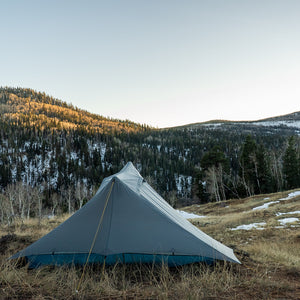
[00:29:28] Tayson: Yeah, I think that's really key. One of the things that I come across frequently is like before you get into your bag at night, a lot of times you're sitting on the ground or you're sitting in a chair or something. And it seems like my my backside is getting cold right? So sometimes actually I would say more often than not when I'm using my puffy. I'll actually just wrap it around the middle of my body and like, warm up my butt from sitting on cold rocks or something like that and that's helpful. The other thing to note is, if you've got a quality sleeping bag with a good differential cut, Throwing that puffy into the sleeping bag is only going to fill up more space and add more insulation in there. The think of it like this, you know, what costs? More to heat a big house or a small house, even if it has the same amount of insulation in the walls, like the it's rated the same as far as what's in the house. It's obviously gonna take more energy to heat the big house and so if you do fill up your sleeping bag with things like a puffy jacket and maybe if you've got some other dry clothes, you know, on the throw in there, that's just less space in the bag that your body has to heat. um, now I say that with the caveat of if it's a good sleeping bag and it's good, differential cut because if you got, if you have some other bags out there that maybe don't have a great differential cut when you pushing out against the bag, it can compress some of that insulation. But if you're getting a bag from from, you know, provider like us, then just adding in some of those puffies is just gonna add warmth. In fact, when I go out in the winter sometimes, what I'll do is I'll take like a 15 degree sleeping bag and layer it with a 30 degree, top quilt. And that's what I'm going like. Well, below freezing, I think we were out when it was -15 degrees and I did this same thing. And a lot of times I'll take that 30 degree quilt and I actually put it inside of the 15 degree quilt. And man that 15 year old just blows up. And it looks so full and puffy and sleeping Bagels. So, full and puffy and I've just killed. There's like not an ounce of like dead air space in that bag and it's incredible how warm that that system is. So just something to know with supplementing in additional layers. Yeah, Okay, a couple other things related to warmth. Let's talk about site selection of your Campground. So, number one, if you are right next to a water source. So there's a lot of humidity in the ground or in the air. That's going to feel colder for you. That's also going to likely, create more condensation inside your tent, which can become a big issue later on if you have a lot of condensation in your tent and it's getting all over your bag or you're pushing into the tent or something like that, that can be something that can that can be colder as well. So if you can, you know, go 100 yards away from the Water Source or 100 yards out of the valley bottom. Let's gonna help you sleep warmer in terms of actual temperature and also just reduction of condensation a little bit The other thing that I was going to say that goes hand-in-hand with that though is trying to find a level spot to sleep. Like it's not it's not do or die but I'll give you a scenario that happens. Quite often as usually you want your head a little higher than your feet. So you set your system up like that. On the level of ground you can, but over the course the night you may slide into the bottom of your tent. Well now your feet are pushing against the bottom of your tent. There's condensation that's likely building and getting onto your sleeping bag and your compressing, the down of your sleeping bag. And so, all of that is the recipe for cold feet. So finding a level spot and then using something that will keep your pad. And bag in place, is also a part of that. So again, we've already mentioned this once, but the 8th inch foam pad from us, really locks your sleeping pad into place. That helps it not slide within your tent, which can help you from sliding into the side of your tent, which then creates additional cold spots on your body. So, Yeah. Good ones. Anything yeah site selection kind of covered that.
[00:33:31] Brigham: Yeah just a couple more things on site selection. If we can we want to position our tent. Again if we can where there's less wind blowing, you know sometimes the wind will accelerate through a narrow Gap or something. So we just want to its kind of a sword, because Wind helps. Alleviate or mitigate condensation but if it's really cold, it's also just going to suck, you know, heat away from us, so kind of be just be aware of that. And and Apply judgment as to do. I need To have breathability to mitigate condensation or do I need to maximize heat retention and therefore, maybe I want to be in the least windy. And site that I can find. Also you mentioned like valleys yeah troughs any any like kind of place where there's a low point where cold air is going to settle and be trapped is going to be like significantly colder than something 50 yards away that may be you know, 15 feet higher in elevation. So I definitely look for a slightly elevated tent site, that's not at the lowest point in that given area.
[00:34:52] Tayson: Um, maybe going along a little bit with condensation. Don't breathe into your sleeping bag. You're introducing moisture into your sleeping bags when you get cold and you want to pull your head into your sleeping bag. Well that can keep you warmer for a short amount of time and the long run you'll pay for that with with introducing moisture into your bags. So so we don't advise that. If you do get cold, pull the sleeping bag up and around your head, but make sure that you're still breathing directly out of the bag. So, sometimes you deal with the top quilt or something, I might kind of Pull it so that the fabric is kind of laying across my head or really getting around my head more and then I'm breathing straight out of the sleeping bag or the quilt. So yeah, just one other kind of condensation thing to touch on. What about going to bed itself? Brigham. This is something that I think a lot of people It's not for some reason. It's like a it's not an easy thing to do, right? Because if you get cold, your reaction is, I want to go climb in my sleeping bag to get warm. The problem is with that train of thought, if you get into your sleeping bag with cold feet, cold butt from sitting on a rock all night, you know, cold hands. It's gonna take a considerable amount of time to reheat your body, but because now you're just laying down in a sleeping bag, your heart rate is dropping your body's going into sleep mode. So, you kind of have to do that counterintuitive thing of like, I'm at least gonna go hike, 100 yards, up this hill and back down, and then get in my bag. And even if your feet and hands aren't warm by then at least you've you've erased, your heart rate, you've built up, some some heat inside your body and you'll reheat faster. But going to bed super cold usually means you're gonna lay their cold for a couple hours.
[00:36:43] Brigham: Totally, I mean, it's such a good thing to talk about with with sleeping warm. Yeah, we have a lot of people have. We have assumptions that These one or two items are just going to solve the problem or just make us warm really quickly. And we forget that our body is the heat source. So doing things like you said, I can up the hill road quick, doing some push-ups another way to think of it is. When our body. Senses that the temperature is cold, it has a self-preservation. Basically instinct. Or process where it starts to restrict, blood flow to less vital areas of the body. And it Traits, the blood flow to vital organs, the things that Keep Us Alive. So something to think about is, if I'm going to bed what little exercises or motions can I do, that will increase the blood flow in the areas of my body that I'm feeling are cold right now. So, if that's Feet. Then doing jumping jacks, hiking up and down a hill running in place, doing High steps. Just something that's going to have allow Motion in that area and a little bit of effort so that it's going to require your your body to release or increase, the blood flow in those cold areas and then yeah, build the heart rate up a little bit before going to bed. Yeah I think that it's really important. Another thing. That. I am like maybe hyper attentive too. You've probably noticed it. I'm really a bit. I don't know what the word is, but as soon as I have my tent set up, I like to get my quilt out immediately so that's 6 p.m. I want my quality right on it, right? I'm taking my quilt out immediately to give it as much time to Loft up as possible. So like if that's if it's 6 p.m. and I might not be going to bed till 9 or 10. That means my quilt has had three or four hours to fully Loft versus Leaving it stuffed in the backpack, until 10 minutes before I want to crawl into it. There's just no possible way that that quilt is going to be as warm when I want to feel that warm sensation of crawling in my quilt. So You know, warm the body up, give your sleeping system, the best opportunity to keep you warm as possible. And and I know that it's not always possible to do that but when, when possible I always try to Loft up my sleep system as as early as I can
[00:39:32] Tayson: and lofting it up can mean pulling it out and letting it can also mean, you know, agitating it just a little bit too, give it a little bit of shake, and a little bit of movement that helps it kind of untangle itself and Loft up as well. One thing that I would say, That I think is just a good idea. Is like usually, the last thing you do before you go climb in, your tent is go, use the restroom, just make it a practice to like, walk farther out of camp and and so that you can build Little bit of energy, a little bit of heat because it doesn't take, I would say, it doesn't even you don't have to get hot like because you're like man if I had to walk until my feet got hot, that would take so long and it's like well, we're not even saying that, but you'll notice a difference. If you walked a couple hundred yards, built up a little bit of energy and then got in your bag because now that can kind of, it can flow that, that body heat, you started, develop into your extremities and, and make a difference. So, yeah, take a hike before you climb straight into your tent and and that can make a bit of a difference. I think we've covered the big things but I wanted to hit on a couple like I'll call tips and tricks or little little hacks. So number one depending on how far you're going and what you're doing, those little hand warmers that you can buy at the store for like one bucks for a pack of two and it's like if you're taking someone out who's not used to going out, if
[Editor’s note: The layering, extreme-cold, campsite, condensation, circulation, and pre-bed exercise statements above are preserved as historical personal guidance. Exertion, wind, moisture, altitude, health, and cold exposure can change risk; do not exercise to the point of sweating or use these comments as a substitute for an adequate sleep system and current qualified guidance.]
[00:40:51] Tayson: you take one of those and you throw it in the very bottom of your sleeping bag, because there's so much less oxygen down there too. That thing will burn pretty much the entire night and it's in an insulated area. And so it will. I mean, It'll like to me, I don't really do it because they typically boil me out of my bag. I get so hot, but they can make a huge difference, especially if you're practicing all these other things. And then you do, just that one thing can have a huge difference and other one is to heat up water, put it into a water bottle. And then take that water bottle into your sleeping bag with you. Obviously, make sure the lids on tight, you're not spilling water, you're not burning yourself, things like that, but taking a warm or hot water bottle into your bag with you because again, you're in an insulated environment, a lot of times that water will stay warm, even on the cold cold trips that we do in the middle of winter, Ice Caves stuff like that. My bottles of water have typically stayed warm till about 5 a.m. so you're getting 80% of the night with a warm bottle of water in there before they start to kind of get to just your normal body heat. So that's another little hack. Both of those are great little things that you can do. To really make sure that you stay warm in a bag. I those are things I don't do every night but they're kind of tools that I use occasionally for certain trips or if I'm bringing certain people on a trip right. If I'm bringing my kids on a trip. Yeah, I'm gonna bring hand warmers for him, they're gonna love to sit there and hold them at night when it gets cold and then when they get in their bag, they can throw that in the bottom of their bag and it's just one more thing that's going to keep them warm throughout the night. So, any other tips and tricks, little Little hacks, I guess if there's any
[00:42:32] Brigham: yeah drink have a warm drink before bed, you know have 12 ounces of hot cocoa or cider or something. You know where you're getting really warm fluids into your core. Staying hydrated is important and that promotes and maintains blood flow. Have some snacks, like get some yes, get some calories in your body right before bed, ignore like just forget that there's dentists out there that don't want you to do that, but just eat a Snickers. You know, eat some crackers. You That, you know, just, just eat some calories that, that are just gonna give your body more chance to kind of keep the keep the burn going. Yeah.
[00:43:23] Tayson: And I don't want to get into the weeds here. Some people say to eat, slow burning calories, some people say the other direction, but I think either way getting calories in your body is important and it helps your body. It helps with recovery too, right? Like, you're trying to replace glycogen storage in your body and things like that. And and so you're trying to do that throughout the night as well to start yourself up. Start yourself out on the right foot the next day. So, Yeah, eat eat as you're getting into bed, stay bare safe, I guess. But, you know, get calories in you that's, that's definitely gonna help you stay warm all night and I would say that A lot of times I can almost notice that as much as the warmth or the additional warmth per se of how going to bed with a full stomach or with calories in the system, the next morning in the early hours or something like that. I think that they're, I don't know. There's just been, there's definitely benefits to eating those calories. So that's a great one. We didn't miss that. I think we might have covered the warmth.
[Editor’s note: The hand-warmer, hot-water-bottle, hydration, food, blood-flow, recovery, glycogen, and warmth claims above are historical personal suggestions, not medical, nutrition, dental, burn-prevention, or child-safety guidance. Follow product warnings, prevent leaks and burns, keep chemical warmers within their instructions, and use current individualized guidance where needed.]
[00:44:22] Brigham: Very good.
[00:44:22] Tayson: Yeah, pretty good list. I think if you follow any or all of these, you're gonna start off on the right foot and B and really be ready to rock. So. Okay, let's just talk about come the Comfort side. So I guess, let's start here. It's where we started with the last one which is your sleeping pad. There's some different directions you can go with pads. There's different thicknesses you can use. So I'll just tell you what I personally do. I like to have a three to three and a half inch thick pad And the reason that I like that is, I'm a side sleeper. It's typically means I'm putting more strain on my hips and shoulders in the pad and I'm also a bigger stature guy, I guess a little bit heavier. And so by having a thicker pad, I can let air out of the pad which sounds counterintuitive to soften the pad but still keeping me off the ground. And it's just a way better more comfortable experience. Now, if I was on a one and a half inch or two inch thick pad or even like a two and a half inch thick pad, it's really hard for me to let hardly any air out of the pad before I'm hitting the ground or getting so close to the ground that I'm actually losing Heat. or R-value out of the pad. So keep that in mind, if you deflate too much, you can lose some R value or warmth out of the pad, but that's why I like that. Three to three and a half inch thick pad. It allows me to soften up the pad and just be more comfortable throughout the night.
[00:45:54] Brigham: Yeah, I Agree. You know, the thicker the pad the more ability you know you have to do that and what that what that does is it's just Distributing our body weight more. So the more our body will conform to the pad itself, that our body weight is then distributed to these contact points versus having, Like three points of contact, are our feet are hips and our shoulders, you know, if your pads two inflated and you know too stiff or hard then then I think in my experience, that's when I've had the most like pressure discomfort and, and that just becomes irritating. I may be really exhausted and tired, but I'll be waking up. You know, in the past when I've experienced this, I'm waking up all night, like trying to toss and turn switch sides and just alleviate that pressure from that one area, but if we have the ability to have a little bit less air pressure in the pad than it, distributes our weights supports certain parts of the body a little bit and I just feel like it's more comfortable.
[00:46:59] Tayson: Yeah. Like Brigham mentioned earlier about pulling his his sleeping bag or top called out early blow up your pad earlier too because Most pads are made out of a nylon or polyester and when you blow them up they're gonna have a little bit of stretch and give. So if you blow it up and get straight onto the pad, chances are that the pressure in that pad will get softer, the pad will get softer throughout the night as the fabric stretches out just a little bit, but if you blow it up earlier, you know, you may even blow it up kind of hard earlier and then when you get into go to sleep, that's when you let just a little bit of air out and dial in that pressure, but that will just help so that you're not having to deal with that in the middle of the night, blow it up early, let the fabric, relax just a little bit. And then that way, when you set your temperature for the rest of the night, it should hold better.
[Editor’s note: The preceding disputed wording is preserved exactly as transcribed because broader bounded audio did not independently resolve the words. In context, this passage discusses inflating the pad early, allowing its fabric to relax, and then tuning the pad’s air pressure for the night.]
[00:47:47] Brigham: Yeah, one more thing on let's call it like pad tuning for good sleep. just, I have found that sometimes. I found myself procrastinating in the middle of the night, like, changing the air pressure because I just want to get back to sleep. Yeah, even though something is really uncomfortable. But I definitely found that it's worth it. As soon as I recognized like that, I'm uncomfortable, because I've got too much here in the pad. Totally worth it to just reach my arm up, you know, a foot above my head and pushed the little thing, like, just gotta do is just pop a cap and push a little thing, and release some air. And then I've, you know, I've had much better longer duration, good quality of sleep when I do that, when I, when I procrastinate it, then it's I, I don't sleep as well, so Yeah, just a thought.
[00:48:41] Tayson: And last thought I have with pads is much like we talked about earlier, use your additional gear in the tent to help level the pad if needed. So let's say I can tell, I'm on a slight downhill slope or I'm slightly rolling to one side or the other. Take some of the additional clothes you have or something like that, and use that to level your pad, just a little bit or put it on one side of the pad. I'll do that from time to time when I feel like it's needed and just helps to not slide off your pad or things like that, you've got tools, right? So like use everything you have to, to create the most optimal comfortable nicely. You've got. Pillow can definitely talk about this, and if you're watching this, you've probably seen our pillow before we just came out with a brand new pillow. That's a non-slip pillow. I've got non slip dots on it. We've changed a few things about it. We've all so added tabs for you to attach cordage, if you want to actually tie the pillow to your pad but a pillow can be can be really big lots of people. When they first start backpacking they just don't think about getting a pillow. So then they're taking their jacket. They're sleeping on their jacket. But I always say imagine taking a jacket and then going to your bed at your house. Senior pillow on the ground and trying to sleep on a jacket like you're not gonna get the same quality of sleep as if you have a good pillow. So get yourself a pillow. One that works for you. We actually offer two Heights in this now, a regular in an elevated. So if you're side sleeper, the elevated, maybe more of the pillow you want. But, you know, you've got options here to find and dial in a pillow that's going to be comfortable for you in the backcountry, they're cheap, they're super light, they're not worth overlooking in my opinion.
[Editor’s note: This pillow launch, its features, two-height lineup, price, and weight discussion was recorded in October 2023. It is preserved as historical speech and does not describe current product designs, options, pricing, weight, or availability.]
[00:50:30] Brigham: Agree, 100%. I mean, I I want to, I want the best quality of sleep that I can and I have I have found that the inflatable pillow as been the best option for me versus, you know, I've definitely done the clothing thing, and When I was younger was okay. But getting, you know, starting to use an actual. Inflatable pillow was like a total game changer for Sleep Quality a specialty, you know, the older I get the more the more appreciative I am of having a pillow. There's I think it's silly to feel like it's a luxury item or You know. trivial amount of or like an over, Too much of a extra weight to pack, you know, like two and a half ounces. I I don't I don't want to Get my way through the night. I want to sleep well and recover and be comfortable throughout the night.
[00:51:30] Tayson: Yeah. So pad pillow. Do we want to talk about the anything additional with 8 inch foam pad? Is that one though? We're coming back to oh, we already covered it with just kind of did.
[00:51:44] Brigham: Yeah, I mean, just it uncomfort I think the 8th inch Having a foam pad underneath and we're talking about how I don't know. What does that was that thing? Wait, like three or four ounces.
[00:51:55] Tayson: Two and a half
[00:51:56] Brigham: an eighth-inch-thick piece of closed-cell foam that goes under the pad in terms of comfort. I include peace of mind and like annoyances like a pad sliding around on, you know, a bear tent floor is something that for me in personal first-hand experience has like totally degraded my quality of sleep at night because I'm waking up and trying to slide my pad back up because I'm not on a perfectly level site. So having that pad underneath that, actually I'd say 90%. Mitigates my air pad from moving around on the tenth floor and and that for me is a quality of sleep thing. It's a comfort thing whereas I'm not. You know, finding myself sliding into the side, or the bottom of my tent and and that's a comfort issue for me.
[00:52:49] Tayson: Yeah. Okay. Yeah. What else would comfort? I'm I'm gonna have to sit and think for a second I don't have One queued up for additional Comfort items or
[00:53:02] Brigham: it's a to be comfortable. I want to like kind of eliminate as much mental stress or back thought, I don't know. Sometimes those are things that that kind of happen. And so One of those. Well, here's here's one where we could talk about like the clothing thing, right. So I don't go backpacking or I don't go to bed at night so that I can dry clothes out.
[00:53:31] Tayson: Oh yeah,
[00:53:32] Brigham: you know I mean like my purpose of sleeping in my tent at night is not so that I can dry my clothes out. It's so that I can rest my body and my mind and recover for whatever's the next day. So, when I we kind of talked about like the practicality of sleeping and clothing that we got or that we that we have in our pack whether that's a puffy or the the practice of sleeping in the clothes that we were wearing throughout the day and going to bed with our sweaty clothes on practically speaking, guess it does and most most of the time will dry out or clothing. But I've just found that I get a higher quality of sleep when I don't do that. I'm more comfortable because I'm not bothered by the dampness of, you know, I'm a side sleeper and I switch sides throughout the night. And if my clothes are damp, every time I switch sides, I can feel the heat being pulled away. A body heat. evaporates that damp clothing or dries that damp clothing, because that's physically, what's happening is When? Damp clothing, dries out. It's pulling moisture away from our body and that process is pulling heat away from our body. So Yes, being in a sleeping bag, can maintain all that heat. But it's taking energy from my body that would otherwise just be used to help me sleep, comfortably and peacefully. But now there's this, my body is going through this process of having an extra tax. Put on it by drying out my my damp clothing. I don't discount sometimes the practicality of it. I don't I would not say a blanket rule that it's it's just never to be done. It's just something that I pay attention to and I most of the time I'm going to be sleeping in my dry set of sleeping clothes because again, there's there's that annoyance of feeling The Damp clammy skin against damp clothing. And to me that's not comfortable. I don't want to go to bed. Just to dry my clothes out. I want to go to bed and dry clothes, so that I can just go to bed and sleep peaceful and recover. My clothes are going to get damp the next day. Anyway, so,
[00:55:55] Tayson: Yeah I think I would Echo that for sure. I would go that for sure. It's just it's just not worth it in the field, it's a cool idea to drive everything out but yeah I I'm in the same camp. I do like to try to dry things out but the way that I try to drive things out are just put them around the bag, usually maybe down in the box somewhere or something like that. And They dry as much as they dry, but I'm not going for usually, 100% being completely dried out. Okay, so here's two other thoughts that I had. You can consider bringing earplugs and something to cover your eyes. The eyes one for sure. I think people should pay attention to because a lot of times You're not watching moon cycle and you go out there and a very thin walled tent to a light you know, nylon or even a Dyneema tent and that moon is shining bright. It can really be distracting for sleep. So having something you can pull down over your eyes, such as a beanie, or a balaclava, or something along those lines can really make a difference. Earplugs are good, but people will soon as they hear plugs are going to think that's dangerous or, you know, and so what I would say with that is go to bed with a clean camp, like, You'll sleep more soundly anyways, right? If you know that your food is out of camp and safe and it's your practicing good clean Camp habits. You will sleep better, right? You're not worried about stuff coming into Camp. It's not a thought at all. And you can just get into a deeper level sleep or fall asleep faster. So, You know, make sure your campus clean and that sounds silly, but it does affect your Sleep Quality. If you hear a stick snap in the night and suddenly you're you're on edge and you're listening because you just remembered that you left a Snickers in your backpack or something. You know like beckon matter. So and as you do that more and more earplugs, may become something that you want to consider too, is you get more comfortable out in in nature. So, A couple little things. Additional Comfort things. I'm just trying to brainstorm what we've missed here.
[Editor’s note: A clean camp and familiar routine do not eliminate wildlife or other nighttime hazards. Food storage, scented-item management, earplug use, and campsite practices must follow current land-manager rules and local wildlife guidance.]