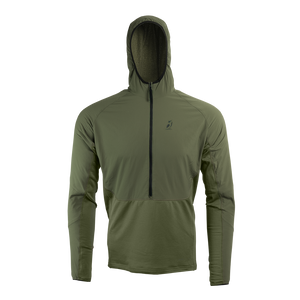
[00:00] Tayson: Hey everybody, welcome back to the Live Ultralight Podcast. powered by Outdoor Vitals. Today, we have a special episode. This is a product Deep dive on a brand new product. So this is when we Brigham or the designer comes on, and we just talked about the origin story, why we developed a piece and all of the details, the nitty-gritty about a new project, Before we get into this new project, which is those either watching on YouTube can see, this is a massive puffy jacket here, sitting before
[00:28] Tayson: us something that we've never done before. We need to talk about a program called special projects because this is a limited run piece, we may never produce this again. It may be a piece that we launched once to test out some some theories Concepts do something more on the extreme end and then don't do again and that's what the special projects is so Brigham.
[00:53] Tayson: You've been working hard on this and it's finally coming into fruition here. So let's just yeah, let's dive in and in specifically that's dive into the special projects and then we'll dive into how that turned into the Resolve Down Anorak here. Anorak
[01:12] Brigham: Yeah, well special projects. You know, there's it's interesting how Things come together at some point, not like a lot of times. There's like little things that happen over time. that there's no like direction or intention with that one thing, but then, As time, progresses.
[01:34] Brigham: One thing leads to another and then dots start to be connected or they become starts to be like a relation in all these things and so like special projects. Is kind of this combination of a lot of things that we've talked about before.
[01:48] Brigham: We've mentioned, a lot of times that we often try things and design things are prototype, things just Concepts that we're kind of just interested to see. what that would be like and to try So that's kind of like an ongoing. That's kind of always healthy.
[02:06] Brigham: Things have been
[02:09] Tayson: Yeah, I've got a few pieces of my drawers that I see everyone. I'm like, oh man, I forgot. We totally tried that good like random decide, you know,
[02:16] Brigham: I mean and we have no plan to Go anywhere with that set piece, whatever that piece may be. um, and and in the case of special projects, I'd say with, with that kind of Pretext, you know. their did kind of start to be some things that were maybe requested of us or you know, there'd be somebody would ask us about doing this or that.
[02:49] Brigham: And that happens from time to time. And and that's not always like Most of the time that just ends with that conversation or whatever. And then sometimes in more recent, you know, history past couple years you know there's been conversations with with friends industry, friends, contacts people.
[03:08] Brigham: We know that kind of Express like a kind of a need or like something that they'd love to see or that they find that they there's like maybe a special need or requirement in their their kit and so that that was kind of the case with what I would say.
[03:28] Brigham: Maybe. Like push the needle forward enough for us to say, like, let's make something tangible out of this. All these little dots were connecting because it gives us The not the ability, the ability is always there, but it gives some like some ground, some Foundation to, to truly explore.
[03:52] Brigham: Concepts. That have a path forward that could potentially have a path to go to the market in limited quantities or limited availability. So essentially, what special projects is you know, a program where we can kind of take and go and run with some of these ideas with the intention that they meet a specialized request, or need they because it's the ability to offer products with like specialized capabilities that may be like really Niche or narrow and in focus and and therefore like it applies to a
[04:34] Brigham: smaller number of people, but there was, there's kind of an enough need recognized that We'd like to. To have something to offer for, you know, certain people in certain that do. You know, activities in a very limited scope, participate in things and get out there and do things work.
[04:58] Brigham: They aren't. Where they have, you know, gear requirements that are just not satisfied because they haven't been able to find that thing. And so I kind of gives us an Avenue to to offer these limited or specialized capabilities to people even though
[05:16] Tayson: it's a very small. Small User Group. Yeah I mean it allows us to also push some of the forefronts of like Technologies and abilities so it allows us to prototype and just kind of work down Avenues. We normally wouldn't get to But you know we're business, right?
[05:32] Tayson: And so for us to make a product that can be sold to like a large majority of masses versus a product that can be sold to a small single digit percentage, you know, we kind of have to make some of those decisions. Everyone here in our office and in our company, relies on the, you know, their careers, their families rely on us, succeeding as a business.
[05:53] Tayson: And so we have to make some of those decisions. But with special projects like we absolutely have other needs that fall in line, they're just not highly. you know, and I the majority of people aren't like highly needing of those pieces,
[06:07] Brigham: almost just doesn't even apply to You know, even a lot of like our current customer base. But within our current customer base, it's like there are of those people that do. Do whatever the thing is, you know, and it's a it's a great.
[06:25] Brigham: It's a great Avenue for us to be able to offer. Really, you know highly specialized pieces for those people.
[06:32] Tayson: And this particular piece is a cold weather piece and while me and Bergen love to backpack in the winter, and we take our team out every winter and do a backpacking trip and the snow and cross country ski and Snowshoe and we talked about all the time.
[06:47] Tayson: The reality is from we've seen most of you listening. Don't go backpacking in the winter and Snowshoe Inn and stay or ski in and stay. We'd love you, too. I mean we would love for you to do that. But it was just less of you to do it and that's kind of where some of like a piece like this might fall more in line.
[07:06] Tayson: So Um yeah, Test new abilities, try something different serve, some of our audience and some of our customer base that I have very really unique. You know, needs and interests, that's special projects. Now this is our first piece in special projects and we believe this will be a collection or a category that we will continue to operate over time.
[07:29] Tayson: Anytime we, you know, are faced with a with a piece that comes up like this, that this really works for this application, it might not work for everybody. We still want to test it out prototype. I use it ourselves and for those reasons, we have started this new division of special projects, so excited to see where this takes us.
[07:47] Tayson: The first piece in this line is going to be the Resolve Down Anorak. So What, why did we start this like where did the origin come from? Like hey this would be a piece worth prototyping. We'll just start a prototyping, let alone building, you know what are the needs for someone to have a piece like this?
[08:10] Brigham: Oh and kind of the, the first seed planted was like a friend in the industry named Ryan approached me about About a puffy. And at first, I think I misheard is his question because it was something like when are you gonna build like a 13 Oz down jacket.
[08:28] Brigham: I think that's what I heard, but you know, in clarification, he was referring to a jacket that have 13 oz of down and you know when he elaborated it's like Their Court, you know, his input like his, you know, coming to me with the, the idea, the suggestion was like, it was kind of like an inquiry for, for us of like there.
[08:49] Brigham: He wasn't finding that there was a good option that you could truly like, take throughout the winter time. And, and actually be warm. You know, for long periods of just sitting still, or just still. And, and for reference maybe like hard
[09:08] Tayson: jackets right now that have more down than most out there have like Zulu has around five ounces and the Vantage has like, seven ounces. So 13 is like almost doubling the Vantage piece, which we released last year is our warmest piece ever. And for further reference, I'm pretty sure Like a Ghost Whisperer.
[09:28] Tayson: Puffy has around two oz between two and three ounces of down. So we're talking like 13 oz of down, that's something you just it's not common. So in when he's bringing us this question, it's like wow, that's a lot of down. But yeah, it is and
[09:42] Brigham: that's like that's kind of the thing is you know, as it went it was it's a it's it's a lot of down and, you know, run a quick calculation, having, you know, designed several jackets, you know. It's The net outcome is like that is incredibly warm jacket.
[10:00] Brigham: And in you know further conversation, you know the the need becomes actually very relatable and understandable that that there are people out there that that do go out in the winter months in the, you know, the Western us Rocky Mountains, that like, it is really hard to, to actually go and sit still and, and as a static insulation, piece, truly be like, comfortable to where you're not having to do other things to stay warm like fidgets get up and walk around or you know, things like
[10:36] Brigham: that artify and You know, in this case, you know, Ryan Ryan's a hunter. And so his application is, you know, hunting in the winter time where you're kind of sitting out waiting on Wildlife for hours, but This kind of comes back to what else is this relatable to?
[10:54] Brigham: You mentioned we backpack year round? Well, they are very short in the winter time, you know? So There. It's very, it's a very relatable. Scenario to, to to ask ourself like huh? This is, this is not just a credible thing for what he's asking.
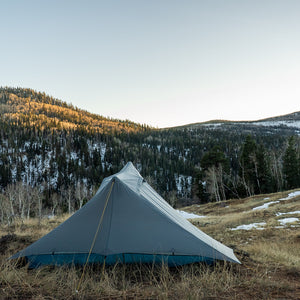
[11:14] Brigham: If for it asking of it, this is very credible for a lot of people that are going out, and it's dark at 5 p.m. your campus set. You're not hiking anymore. After 5 p.m. not. Everybody wants to be packing in a titanium wood burning stove.
[11:30] Brigham: And that's understandable too, that's weight to have to carry and it's and and the people listening to this, this is a good context to explain like the whole special projects saying is like There are people listening that are like raising their hand, they're like, but I do that, you know what I mean?
[11:48] Brigham: It's a few people, and but that's kind of the whole premise of doing this is like, we want something for those people because when were those people, we have friends that are coming and asking us about this and so yeah that's kind of the origin is like oh this is Kind of crazy.
[12:05] Brigham: Like it's kind of a that is a that could be a very warm puffy and it would have to be made a certain way. And and yeah that's that's kind of where we started off.
[12:17] Tayson: Yeah, yeah, it is. So then I don't know. I mean, from from there, we started to kind of look at it. You know, he uses it, we already mentioned some of those and there's a lot of application for winter backpacking. There's a lot of application for hunters, you know, we have friends like, you know, Justin from Justin Outdoors, you know, him, like he's up in, in Canada, you know, and he's solo backpacking a lot in the winter and, you know, he sent in his tent
[12:42] Tayson: solo out there for a lot of hours. And I have not really seen him pack a stove in. That's not something. I see him do very often or at all and But yet he's at camp for hours and hours, you know, in the dark or not or photographers, you know, or you know there's different applications and then there are some of those people.
[13:02] Tayson: Are you an example of some close to me my brother. He always has one more layer on than me. No matter what we're doing. He just runs cold. He's he's skinnier built, you know? And and then I am and he just doesn't run as hot as me or even, you know, females for that matter.
[13:20] Tayson: And there's been times when I've used like a Vantage jacket and he used a prototype of this and was like, I wasn't too hot, you know? I loved it. He he's more willing to pack in a few more layers because he just loves that aspect.
[13:33] Tayson: And so, um, so we decided yeah, let's let's prototype. Let's give this a shot. We knew we had to design this differently and maybe the first place that we needed to start was with the baffles themselves, right?
[13:48] Brigham: Yeah, when it was kind of like immediately where the Mind goes to and designing a like a static insulation piece, a jacket. And then simply just knowing that amount of down that down has to have the ability to to fully Loft to reach.
[14:06] Brigham: Its insulation potential. So it it almost like is it immediate requirement. You have to make the jacket like, you would have sleeping bag because essentially the jacket. The, you know, the result is doing the same thing, a sleeping bag needs to do, except when we're awake, it literally is exact same thing.
[14:27] Brigham: So if the construct, this as you would a sleeping bags and so Where we put the down, you know, these down Chambers. Has to be made very three-dimensionally and that's just like a sleeping bag. So in in a down jacket there's in this particular one, there's an outer Fabric and an inner Fabric and then connecting those two, the inner and the outer fabric is a is a baffle mesh that kind of is like like and kind of like an I-beam.
[15:00] Brigham: In that it connects the two layers and allows them to separate as the down fills the space and allows, you know, there to be a consistent layer of insulation throughout without introducing pinch points and cold spots. And so it just creates this huge space in the jacket between the two layers for the down to expand and Loft up.
[15:22] Brigham: And that's exactly how we make our sleeping bags and you know, it's apps like absolutely necessary with the amount of down that's in this Anorak. Otherwise You essentially kind of be. Wasting down. Like if you were to make this with sewn through baffles anywhere, He's essentially be taking down out of the jacket like you're just compressing down all over the jacket and that down would then be serving.
[15:49] Brigham: No purpose. So you know we want All the down that's in the jacket to be able to Loft up as much as possible and provide that insulation potential. Yeah, I kind of
[16:00] Tayson: jokingly thought this early on is like this has more in common with a sleeping bag than a jacket. As far as the construction goes. For those of you like watching, what this means is, like you'll see that like, like to sleeve, I'm holding up right now.
[16:16] Tayson: It doesn't indent on any of these sewn baffles, it's just straight through, just like a sleeping bag would be, whereas a traditional jacket, it has more the curve and the indentation where the selling lines come through. When putting this much down in it, we don't want any indentation, we just want to consistent Loft, level through the entire piece and it will look like for all intents.
[16:38] Tayson: It looks more like a sleeping bag style baffle because it is it's a box baffle three dimensions that allows us to fully Loft. And that's that's really important to note though because while we could just shove a bunch of down in a traditional style sewn-through jacket.
[16:53] Tayson: We would be compressing it compromising it it's a really wasted money wasted weight because that down can't fully loft. So we had to change the baffle structure. That's that's first and foremost. What about this concept of an anoraks? Some of you listening might not even know what an anorak is versus like a jacket.
[17:15] Tayson: So explain what an anorak is maybe and why we went that direction
[17:20] Brigham: Yeah, I mean, we chose the kind of the anorak platform. You know, an anorak is a pullover jacket. Usually is, you know, has a zipper that goes about halfway down the front of the jacket and and then you pull it over there as a base platform.
[17:36] Brigham: That's very warm. compared to like a full length Center zipper because, you know, that centers zipper In a lot of insulated jackets you know it it's just a long cold spot because there's no there's no insulation behind it. And the other advantage of an anorak is the ability to have a kangaroo pocket in the kangaroo pocket in this type of outer.
[18:01] Brigham: Outer layer is It's just a warmer. way to make the lower torso, because Especially for keeping hands warm. So if somebody needs to put their hands in this pocket and the kangaroo pocket, like it's we want that to provide the benefit that is that they're looking for.
[18:23] Brigham: There's a reason they're putting their hands in their pockets. Maybe they had to take their gloves off for something and the hands got really cold the fastest way to warm up. Those hands is to put them in contact with each other close to the core of the body and be able to kind of massage your hands as as they're within the pocket, which you can't do with a full length Center zip.
[18:44] Brigham: Your hands are now independent of each other similar to, like, gloves versus mittens, mittens are just warmer because you got in within the Mitten, your skin on skin, your fingers are up against each other helping to warm themselves up. So being able to put both hands in a kangaroo pocket, kind of join them together and huddle close to your core.
[19:07] Brigham: Is a huge advantage. So that's kind of like the base reasoning behind anorak platform. It also you know, gives us the opportunity to make sure that Our pocket is behind the insulation or the insulation is between the environment and our hands. So if you put your hands in the pocket, your hands are close to your, to your body.
[19:36] Brigham: And then there's a thick layer of down insulation between your hands and the outside environment. So, That's, you know, big advantages of the anorak itself. Yeah, you definitely
[19:47] Tayson: in these cold temperatures. I mean, one of the first things that gets cold on you is your hands, right? So the ability to quickly and efficiently, warm up those hands, really helps a center ZIP down the full front. Not only introduces, like a cold spot where your hand enters the pocket but then where your fingers are extending towards the middle of the jacket?
[20:04] Tayson: Well, that's another area where there's literally no insulation. And so all in whether you're joining your hands in that pocket or the lack of the zipper there, any cold spots creates a really warm environment to quickly warm up your hands in there. It also creates a massive pocket which in the winter months, if you've got big bulky gloves, things like that.
[20:24] Tayson: You've now got a great place to store those with ample Space, versus kind of filling up, smaller, jacket pockets. So lots of reasons, but really, for the, the purpose of this jacket, which is like the warmest jacket, we can make, you know, it had some big advantages to go with this Anorak, you know.
[20:46] Tayson: Pullover Style. Yeah. And
[20:48] Brigham: and honestly, like one of the Just base almost we didn't really, we can really gloss over it, a lot of times. And in this case, you know, we kind of did is just that. Like we're still, we're still focused on. Backcountry experiences in the mountains and generally.
[21:06] Brigham: You know, we're not saying. Nobody, that would use a motorized, you know, vehicle should you know, this doesn't apply to them but you know, we're Backpackers the people that wanted this this jacket are Backpackers and so they're there is an element that this this has to be packable like we still want this to be a packable backpackable piece, you know.
[21:27] Brigham: So I that's just came to mind like yeah I mean we could we could blow this thing up as big as we want it for other. You know, that would the priorities which shift and the balance would change you know? So it's but like, when you mentioned kind of the warmest, puffy is like, we want just incredibly warm puffy.
[21:46] Brigham: That is backpackable, that, that His packable enough that people are willing to take it and you know we
[21:53] Tayson: can get into more of that later. Yeah, we'll cover like specs and some of that maybe a little bit later on Waits and some of the materials but sticking with maybe some of the features sets themselves, the other big thing that really stands out here is the front doubles it, not a single zip.
[22:15] Tayson: So, we, you know, we built this for for different intentions, you know, for different people, I guess you can say in different ways, right? So some of the issues with having a piece, this puffy, this big is the on and off experience, you know, how do you get it on and not have it be incredibly harsh, especially if you're putting it on on top of any other layers or things like that.
[22:37] Tayson: How do you have a piece this warm but still have some ability to regulate some temperatures there's gear access there's a few points and so with those in mind we developed this this two zipper piece. So walk us through this two zipper front and kind of the benefits and why we would do that.
[23:00] Brigham: Yeah, I mean I'll just elaborate on what you kind of listed there because those are really the main points. I mean, it it creates the ability to have really understood access to to additional items, whether that's you're wearing a mid layer underneath that has a chest pocket or you are searching rescue and you have a chest harness with radio equipment or other first aid equipment that's very common.
[23:26] Brigham: Amongst rescue Personnel is to carry these. These chest harnesses Hunters are using binocular harnesses and you know, having access to binoculars, same thing with like Wildlife viewing photographers. You know, there's a wide application and you know, usability for a number of kind of different purposes that somebody might need that kind of access, but at the same time, I would say just as important is the The the on and off like putting it on taking it off.
[24:03] Brigham: It creates a much larger space to to be able to maneuver the body to put this thing on and take it off. It is a lot of down. This is a really puffy jacket. And like earlier today, I was kind of demonstrating to some people, you know, to the team within the office.
[24:19] Brigham: Like, if I were to just unzip one of these zippers simulating, as if it were a center, a single centers zip and, like, pull it to separate it, right? Like, you can see a massive difference in the amount of space here, able to create between just unzipping one, zipper, and then unzipping, both zippers to really open it up.
[24:39] Brigham: Its It's, it's really significant and and I don't think this piece. Would be nearly as well. Received, it's just in our own testing but but people just using it. Like I remember Justin, he had an early prototype that he took on some winter trips.
[25:00] Brigham: I think it was last winter up in Canada. And, you know, I kind of sent this up to him like with just like a very brief. Explanation of what it is and why and you know after speaking to him after a lot of his testing like his feedback was just like first is just kind of like this is weird.
[25:20] Brigham: Why you know and then after using it it's like I I'm not sure I could ever go back you know or like it would just be it would not work nearly as well with just a single half, zip versus the large opening that it creates so It's definitely different.
[25:39] Brigham: You know, you can't, you can't not notice it when you look at it. Yeah,
[25:42] Tayson: yeah. So technically, I mean, I'm gonna move some of this on camera here. You pray here that in the podcast, but and you can look this piece up but this piece when it is unzipped, it can talk inside. So this this big section that we just took out of the middle of a jacket by zipping, both of those down, he usually tuck that inside.
[26:00] Tayson: Now there's a few other benefits for some of these people that we designed this for right? Like, what informed most easy on and off number two venting, right? Like you, if you want a little bit of venting action, a little bit of more Mobility, something like that.
[26:13] Tayson: Opening that up gives you that we mentioned for the hunting side. More photographer side. If you've got a chest mounted rig here, keeping the equipment at more of an ambient outside temperature versus like your body heat temperature can can help with things like like lenses, fogging up, binoculars, fogging up.
[26:34] Tayson: If you've got ballistic, you know type equipment, you know you want it to be outside temperature versus the inside temperature for calculating ballistics so there's benefits to that. And then the other side of it too is if well, maybe you do have Electronics on your chest, such a search and rescue.
[26:48] Tayson: You can zip it up from the bottom and you can reach in and access stuff behind there. So let's say you do have a walkie. Better for this reason. This works for this reason,
[27:21] Brigham: I think that it actually just testing it. Not us, not just us but but other guys, too. Like the, you know, Ryan and the guys that wanted this piece for their reasons, right? once we got it in the field and tested it that Really, I would say almost gave us like the permission to to accept this as a viable design because it was a concept that we were just testing for to accomplish a couple things.
[27:49] Brigham: But once we saw how usable, and practical it was in that, you know, makes the on and off so much easier. It actually introduces really interesting and and versatile venting options and access options. It really, I'd say vote, you know, added a lot of the lazy to that that design.
[28:10] Brigham: And yeah, because there's so many ways you can kind of just adjust this to kind of suit. Your needs.
[28:19] Tayson: Yeah, so with this we also used a different zipper than we typically use in jackets, rather than using a number three with just some like little paracord type Ties on it. You know, cord ties, we found that those were hard to use in the winter months and so Brigham.
[28:36] Tayson: You, you found these went with these. These are a locking tab hard plastic, so, that with Mitten on heavier, Duty glove, you can still find these zippers pull. These zippers, maneuver, these zippers, and they do lock into place. So that can't accidentally slide open up and we use a zippers on both of the up and the down chest section of the Anorak as well as the zippered hand Pockets.
[29:02] Tayson: So those are very much designed intended glove use lockable. Super helpful. You'll also see here like just like with the sleeping bag, we have a baffled backing behind the zipper and an anti snag, you know, fabric here so that when you're running that zipper, it runs more clean, more smoothly doesn't, you know, snag on the fabric and Yeah, I mean like you say this has so much DNA.
[29:28] Tayson: Sleeping bag has it. It does have that as well to help insulate where those zippers are. So
[29:36] Brigham: Um, a lot of the just like little little design choices throughout, they're all it just really helpful to look at them in the context of the overall use case for this piece. It's It needs to be cold, and very cold to, to need this piece.
[29:54] Brigham: Which means, if you now, you're in that context of, okay, if I'm using this, the conditions are really cold. I'm
[30:00] Brigham: be wearing gloves or likely have like maybe marginalized dexterity because Just things we have to do, sometimes whatever it is. Maybe you have to take your gloves off for a couple minutes to manipulate your stove or something. Well, everything is really centered around being this piece being usable and appropriate in these very cold conditions.
[30:22] Brigham: That's, you know, like the the rigid having leverage by putting rigid zipper poles on there, it's just made it so much easier to actually function, the zipper, you know, slide it up and down the choice to use. A number five. Zipper is is very intentional in these conditions.
[30:45] Brigham: A zipper failures, not something we want to risk. So having a more robust zipper system and it actually like the, what the number five YKK zipper is their strongest Zipper by weight across their entire line. So oh, you know, using a number five is is very intentional.
[31:04] Brigham: You know, making sure the the zipper the anorak or the the kangaroo pocket opening's, the zippered openings are big enough to use with gloves on, you know those are some tweets that we made.
[31:18] Tayson: So, uh, yeah. Yeah um before I move on from kind of zippers and we've talked about the pocket, we'll move to the to some of the cinching and things on this. But inside of the kangaroo pocket there is also a drop pocket. That's just helpful so that if you were gonna put gloves in there, I mean there's lots of reasons but this how I would use it is inside of there.
[31:42] Tayson: I can drop gloves into that drop pocket and then when I'm pulling my hands in and out of that jacket, I'm not gonna accidentally unload a glove out of the out of my pocket without realizing it or you know I just really secure some things inside of that pocket as well.
[31:56] Tayson: That you may want in there for for maybe a longer period of time or something. So
[32:00] Brigham: even like even even with the word would be both for Batteries whether that's battery Banks, camera batteries You know, water filter, I'm a great place to put your stuff because you can zip the pockets closed. And if you put them in that drop pocket then there's just a good place to store those things that you don't want the cold to deteriorate.
[32:23] Tayson: Yeah, Okay, so walk me through kind of like the the cinches, you know, the how you would you know, Hood
[32:31] Brigham: hem, things like that. So the hood opening has has since Court just right around the perimeter of the opening and just so you know we can really kind of cinch it up around the face. And the hood is is box-baffled constructive as well.
[32:49] Brigham: So we we didn't change any of that. So this hood is it's like a shutoff valve. You put it on your head
[32:57] Tayson: and your head is warm. You feel like you just put on your football helmet from high school. Yeah. But so
[33:03] Brigham: wanting to seal off that face opening. That's the cinch cords there. Other cinch cords are down on the Hem. There's one on each side so it's a double cinch cord system you pull whichever one pull both of them and that works. And again that is to close off the bottom and then I just say while we're kind of in that area of the of the jacket, The piece is deliberately.
[33:30] Brigham: Designed to be longer than like our standard jacket. So The default regular size is, you know, it's a couple inches longer than like our other jackets. Say the Vantage Alpine jacket, like it's about two inches longer in that again just for more coverage, the lower back and the buttocks area is like we just want, we just want to kind of keep that.
[33:55] Brigham: keep the bottom closed off and so and it also helps, you know, oftentimes like if you're sitting around camp for hours in January and night, you know, or somebody's doing You know, nighttime photography, sunset sunrise, photography hunting. Their, you know, their glassing, you know, looking for animals in like First light, when it's incredibly cold, we don't want the jacket to ride up, especially in the back and introduce some drafts.
[34:26] Brigham: And then I guess, you know, while we're in that area, still, we added a couple little Clips inside the jacket that are at about kind of waistband level belt, level of a pair of pants. So you can, you can clip those two little clips and they're on an elastic little strip of webbing.
[34:44] Brigham: So that there's some give, it's not like a hard piece of webbing so that you can just have an extra measure of security that the the jackets going to stay put when you're sitting down and moving around as you you know,
[34:58] Tayson: less likely to have drafts. Yeah, I really like that aspect because you know, jackets specially like me. I'm usually taller, right. And so. Not uncommon for jacket to write up. As I'm bending moving shifting at all. Even just sitting like cross-legged on the ground.
[35:15] Tayson: So having those little elastic Clips back there, to hold the jacket down. It makes it makes a difference. We played with kind of the positioning of those. So we actually recessed those up, the jacket if a handful of inches. So they're not right at the Hem, they're actually up and in there they don't hang out of the bottom of a jacket.
[35:34] Tayson: You can't see them unless you use them. But that that creates an actual overlap between the top of your pant or whatever you're wearing on your bottoms and where these where this piece would come down and pass that and it holds it in that position and just gives you an extra little measure again.
[35:51] Tayson: Something that probably is something you might never see on a mainstream piece, but for this, it, it matters. It's kind of like the concept of a draft with the top quilt, you know, and Pad straps. Like we want to hold that that top quilt as much in place as we can to eliminate or remove.
[36:08] Tayson: All drafts. Because the draft is just cold out of are coming up there. Sometimes you don't feel it until you've actually cooled off more than you'd want to. And so just holds it right in that in that position that you need to be just kind of guides it.
[36:21] Tayson: I guess you could say to stay in position, which is a, it's a cool concept. It's something we haven't seen, we haven't done, but I think out in the field and in these conditions, it it's gonna stand out for people. So Um, okay, anything else before we kind of cut over to materials.
[36:42] Brigham: I guess the only the only other feature we didn't talk about is inside the the left and right, kind of collar area. We put these little hanging loops and I'd say the primary Thought process there is, that's for gloves, you know, to be able to hang hang gloves here.
[37:04] Brigham: A lot most most gloves will have like those little plastic mitten clip things. It's gives you the ability to clip your your gloves or mitts there again just kind of we want to like set the person up for success in there. There is like a notorious meme or clip that I see on Instagram from time to time and it's on Everest and it's of a guy losing his mitt and he's just it's just shows the mitt tumbling tumbling down and it kind of just being
[37:37] Brigham: game over for that person. And that's like that's that's real And I'm not saying like this is built for Everest. Since I'm just saying like in really cold conditions at this is built for. We want those little extra Capabilities to just have some extra security and because it's a safety thing, you know, frostbite is real, and we don't want people losing their gloves, but it also can be useful for, you know, glove liners, that might make it damp and the ability to just clip those on there
[38:10] Brigham: while you're sitting sitting around and kind of dry them off a little bit with your body heat. So that's I think that's the only other feature here to call out and call out. Okay, so with this piece, we've gotta pick, you know, what down, are we using?
[38:27] Brigham: Why how much down and and fabrics to wrap it in, right? So, Let's let's start with the down. You kind of already alluded to the amount of down being about 13 ounces. So To compare that, I kind of compared it to other jackets, but one other thing that's interesting to compare that to he's 13 oz of down as about how much down we use in a 30 degree, top quilt so we stuffed to ton of down in this.
[38:55] Brigham: All right. So what down our, did we decide to put into this jacket and why So this is made with an 850-fill ExpeDRY down. So we've used ExpeDRY like, in our top quilts and it's it's outstanding. We just wanted to increase the fill power to something higher kind of going back to the the packability and, you know, still wanting this to be a backpackable piece.
[39:20] Brigham: So when we're, when we know, we're gonna be putting a ton of down in this thing we want to raise the fill power, make it more packable and allow us to, you know use a little bit less. Down for that level of warmth.
[39:32] Brigham: So this fill power goes up, you can use less down to to fill up
[39:36] Tayson: the same amount of space. And with the ExpeDRY that is, that's what we've been using in top quilts and other pieces for a while. Now we've got a ton of testing with it and it performs extremely well for for what it is, right.
[39:50] Tayson: It's a permanent treatment and it's what it is. Is it's your in pregnenolone, really working with the ExpeDRY helps to keep this down. Extremely dry and dry down is lofted down, dry down, as maximize warmth. You know, you get the most Loft out of it, so that ExpeDRY will work extremely well.
Editor’s note: ExpeDRY and moisture-performance comments reflect the September 2026 product discussion. Follow current Outdoor Vitals care guidance and do not treat water-resistant down as waterproof.
[40:36] Tayson: In this to keep that down. Dry. And again, it is a permanent treatment. So 850-fill. It's true with ExpeDRY and we wrap this in a 15-denier nylon ripstop. Right? So Um, so light material, obviously there are lighter materials out there, they're heavier materials out there for this piece 15-denier is right in that sweet spot.
[41:01] Tayson: We feel like where you're getting durability but it's still extremely like extremely packable. The other thing to Just note was something like this is in order for us to keep kind of the weight where it's at packability, where it's at if you put too heavy of a fabric on the outside too.
[41:20] Tayson: If you went to extensive without like let's just say you're I don't know. Let's say you're a fisherman in Alaska and you're working on a boat, you know? And you're like man I really want something like really heavy on the outside. Well That's that's just changes.
[41:33] Tayson: Fundamentally changes kind of the scope of the project here for us where it compresses the down, it takes away warmth and it removes packability. So this 15D gives us that really good balance of being super light. Still having a lot of durability in it, you know, like from you know, we've I've never experienced ever like snagging the fabric and puncturing the hole in it, whereas some of that lighter than your nylons and other materials I have.
[41:59] Tayson: And so gives you a really good ability to just have a good all around choice in the fabric itself. So you Um, Okay. So Probably the question. People are most wanting to know at this point is, what does this thing weigh, I mean, if you're looking at on the table here, I mean, this thing is sitting like six inches up off the table, it is extremely puffy.
[42:22] Tayson: An extremely warm. So let's talk about what does this weigh? What does this pack down to? And then we can get into some more like use cases in the field, how it compares to other pieces when to use it.
[42:36] Brigham: Yeah. Well, a large is 24 ounces and it's, it's a really interesting thing. It for me at least like induces a lot of, like, thought in when I'm relating it to other things. And I brought this up earlier today, In a meeting with the rest of the team that 24 oz.
[42:58] Brigham: You know. Those 24 oz. More than half of it is down. and, it is such an incredibly warm piece, and, and a way to kind of contextualize this is Like, our Vantage down, jacket is about 15, and maybe 15 a half ounces for a large.
[43:19] Brigham: Just so it's same size, same size. So, 15 oz and a Ventus in the largest seven and a half ounces. So essentially the exact same way, minus 0.5 Oz, but The combination of a Vantage jacket and let's just say a jacket that's got about seven ounces of down, right?
[43:40] Brigham: The Vantage is 850-fill as well. And then combine that with another insulated layer of the Ventus, which is a synthetic sheeted insulation. That's the same weight as this and this is easily twice as warm as that setup. So for the same weight it's it's it's a pretty interesting thing to kind of like go a little deeper on when we're talking
[44:07] Tayson: how warm this is. Yeah, I mean even if you took like two Vantage jackets and layered them onto each other, it wouldn't be. As I don't think it would be as warm as this piece and you would be now two full pounds versus a pound and a half.
[44:23] Tayson: So, like the weight-to-warmth ratio, it is really incredible, especially when you're talking about layers and layers, which is what most people are using when they're going out into these conditions. As they are just stacking so many layers on top of each other.
[44:35] Tayson: But in this case, having enough down to be able to go into the box baffle construction and make that worthwhile It just really maximizes the value, you can get out of the down. And so for for 24 oz in a size large, right?
[44:50] Tayson: And and usually, you know, most brands are citing like a size medium or something like that. So me whatever you want to compare this to 24 ounces or even less extremely warm
[45:00] Tayson: Extremely just useful in that sense. Now, in terms of packability it also is is quite packable. Now there's a few different, you know, ways you can pack this. You can loose pack this in your backpack. So you kind of mentioned earlier today how you like to pack.
[45:17] Tayson: It is just shove it on top of everything. It's obviously Gonna Fill spaces and voids in your backpack because it's down and it's moldable. And it's then it's really easy to grab when you stop, right? You stop, you can pull it out really quickly and put it on But you just as easy could throw this in a dry bag, a compression bag and compress this thing down, and you're gonna get a ton of compressed compression out of that because it's primarily down and really like what
[45:44] Tayson: and fabric. And so, if you choose to compress it down, I mean I would think you're going to compress this down to the same size as like our 30 degree top quilt, you know, if you can picture how tight that is, that's probably, you know, if you're really tightening that down probably size of like a cantaloupe per se.
[46:02] Tayson: Or you can loose packet and you're in your bag and just have it fill up space, fill up voids and and be accessible. But either way ton of compression and packability out of a piece this big and warm, which is, you know, I mean you really just have to think of more of it, like a sleeping bag.
[46:17] Tayson: You know, how big and bulky a sleeping bag is when its open, and you're in it and stuff like that, then you look at how much it can compress down. When using an 850, you know, 900 fill power type down. They can compress down so small.
[46:27] Tayson: And, and that's, that's the best relatable point. I can give for how this would pack down in the bag. so, So let's I guess let's talk about like kind of in the field like you alluded to just how warm this piece is you know we've been testing it for a while now you know one use case scenario that we had it in was we were up in Montana.
[46:51] Tayson: We were camping and staying at about 10,000 feet. The wind never shuts off up there. It seemed like we were getting just crazy amounts of wind winds ranging from you know 20 30 miles an hour on the low end up to 50 and even one day and one location we were hitting like 70, mile an hour gusts, it was the most wind I've ever experienced in my life and because of box baffle construction down and all those things this thing's ability to just stop wind in,
[47:26] Tayson: its tracks is on a completely different level. Now, we do with our other pieces, we have a, you know, the zero Stitch Fabric, and that doesn't incredible job at stopping. Wind for what those pieces are. This takes it to a whole nother level because there is even down split across all of it.
[47:46] Tayson: There's an even outside fabric across all of it. And so in those conditions, you know, yes winds probably blowing through it to some extent, but it feels like it's virtually zero especially compared to any other part of your body. You know, legs hands.
[48:02] Tayson: It feels like anything inside. This jacket was experiencing almost no wind being able to push through the jacket. So from a warmth perspective and a wind scenario, it's it's just incredible. Incredible. I mean, I'm just looking back
[48:20] Brigham: and it's a little bit funny because I mean, there were times when you just don't want to take it off, you know, I mean, we like there were times when we were just just move a little bit, just didn't want to take it off because the wind was just so brutal and you know, so we're like putting our backpacks on over the things just ridiculous
[48:37] Tayson: but but only walking, a few hundred feet, you know, or something.
[48:40] Brigham: Yeah, but it is. I mean, it's just kind of it's just shuts it off. It's it's
[48:46] Tayson: pretty, it's pretty impressed. Yeah. I mean When it was bigger gusts. I mean, I was I wish that I could have been a fly on the wall to see me trying to walk. I couldn't really like stand up without getting blown feet at a time.
[49:00] Tayson: Once, one time a gust hit me so hard. It kind of threw me like like four or five feet and I kind of like stumbled and jumped and then I like turned to see what hit me because it literally felt like something rammed into me.
Editor’s note: The 70 mph figure is a personal field observation from this discussion, not a controlled product rating. Wind, exposure, site choice, and the rest of the clothing system all affect warmth and safety.
[49:13] Tayson: I mean, it was, but again, it just this piece is on in and completely different level than any other piece we have ever produced here at OV. so so it's kind of like the wind blocking ability and then in terms of like, we get this question constantly and there's no right answer to this and maybe we can just quickly touch on that, but they'll say like, Well, what temperature, do you use this jacket in, what is it rated for, you know, because everyone's really programmed for
[49:42] Tayson: like a sleeping bag to have a temperature rating. Jackets don't have that. They don't have some you know, like rating system because there's so many factors. There's you know, what is the actual temperature? What is the wind doing? Are you in sunlight? Or are you in shade?
[50:00] Tayson: Are you in a cloudy scenario? Are you in a tent? You know, though that factors in immensely and then the biggest one is activity level. Are you sitting stagnant for five minutes for an hour? Five hours, are you walking, you know, are you doing hybrid or mix all of those have just massive effects on getting some kind of a rating system for a jacket.
[50:22] Tayson: So we can't really rate the jacket but maybe we can give you a few touch points to help you. Understand how we've used the jacket and where it works. So yeah,
[50:32] Brigham: it's yeah. And of course, there's there's gonna be some subjectivity to this person, the person, but for me, like my general, Recommendation. Or for me, like, how I my thought process for this is. There's a for me, there's an easy like the easiest threshold would be like 40 degrees.
[50:59] Brigham: if there's, I mean, it has to be persistently blown like more than 50 miles an hour to, and to want to wear this in temperature's above, you know, much above 40 degrees, but generally It's those conditions are like incredibly rare, and this is for rare conditions already.
[51:17] Brigham: But like generally, we can really easily start with, like 40 degrees and below. I think anybody that You know, could start at that point. you start throwing yourself in to be included for this, but for me, where it really comes in is like kind of the the 32 degrees, the freezing Mark of, you know, if there's you know, if there's no wind Then.
[51:48] Brigham: That could be that a little bit below, but generally, there's always wind, so even if it's just gusting every once in a while. like 32 degrees, but if like, if there's no wind, you know, maybe that's the upper 20s, but the reality is just like I think for most people, Learning about this this jacket and how it's made and how much down it has in it.
[52:13] Brigham: I think somebody that needs this jacket will know it. As soon as they read about it, see it and listen to this like because they will have experienced Sitting in cold weather with whatever jacket they've used in the past and being consciously aware that they are shivering they're getting up, they're walking around, they're fidgeting.
[52:34] Brigham: They're doing things. And they are not able to just sit comfortably for long periods of time. I think like those people that's who this is for, will they will know what that condition is because they have experienced it. now it's great, if this appeals to somebody that's always been wanting to get into winter backpacking and you're like, okay now there's an answer and so these little I think the recommendations are helpful know, but like you mentioned how long you're going to be sitting still, what the
[53:04] Brigham: ambient temperature is what the wind level is and the sun exposure is, you know, sitting still. And still with no wind on a clear day with their when their son like can actually be quite comfortable even like in sub-freezing temperatures, you know what I mean?
[53:22] Brigham: Like the sun is incredible. Heat source. So I don't know. That's kind of where I look at it is, you know, if it's gonna be It's going to be windy at all. You know 40 degrees is my threshold for you know, if I'm under upper and you're saying yeah like if its 40 degrees and lower and it's consistently windy, this is this just shuts it off.
[53:49] Brigham: This is just like, put this on and there is nothing to even worry about.
[53:52] Tayson: Yeah. And I think of sitting in Camp, you know, and we're getting down into even like, like, let's say around 20 degrees, maybe High Teens, like you're sitting in a tent, you know, stagnant for hours, you know, maybe you're just whatever. Maybe you're cooking some food, maybe you're, I don't know.
[54:11] Tayson: I've seen like, guys bring books out there because they're just sitting in their tent for hours. Like, I think you could sit in in those kind of conditions, you know, 15 degrees out and be quite comfortable. you know, inside of a tent, just just wearing this kind of piece and so, I don't know where the like bottom is, right?