[00:00:00] Tayson: Hey everybody, welcome back to the Live Ultralight Podcast. Powered by Outdoor Vitals. Today. In this episode, we take a slight deviation from the typical backpacking through hiking ultra running fast. Packing narrative. That we often are talking about and we explore a new sport and a new category of way of to explore essentially Backcountry into get out there and you know, disconnect from from the daily and get into the Wilderness a little bit. So we interviewed or excuse me. I interviewed David “Moondog” Roop and David is a thru-skater. Thru-skating is probably something you're not as familiar with. I know I wasn't very familiar with it. Until this this podcast opportunity came up. But it's really interesting sport. Essentially, parallels through hiking and backpacking, but he's a skateboard or longboard for travel. Moondog is among the Pioneers for the new way, of outdoor travel completing notable thru-skates such as a 24-day 492-mile thru-skate of New Mexico, and a skate on the 444 Mi Natchez Trace Parkway as well as a trip that we just talked about in the podcast. Down in Puerto Rico. So he's done some amazing things. There's also the Florida Trail which he's thru-skated and we kind of dabble talking about some of these. But really we just get into the the nitty-gritty of What the heck is thru-skating? What makes it hard? What makes it different? And you know, who, who would be drawn to this? Because there are some absolute polls to want to go. Try this into to see the world in this way. It's gonna be different. You're gonna see things different. You're gonna have different opportunities and different challenges, and so we really dive into those and it's fun to learn more about this. And if nothing else, even if you're like, I will never skateboard in my life. There will be some solid takeaways, in my opinion, from this of just personalizing your adventures. So join with me as I bring on David “Moondog” Roop to the podcast and we discuss thru-skating. All right Moondog. I'm super excited to have you on the podcast today? And I wanted to start off with a little bit. Maybe different of a question, sideways of a question. I think most people probably start, like, typically when I start off a podcast, what got you into this, you know? But when I was researching thru-skating, the thing that really came to mind is just how physically brutal is this on your body. To me, I'm not a skater. And so if I was skating and pushing all day long and you're kind of bending one leg and pushing with the other and you're, I don't know, there's lots of different motions here and to me it seems epically brutal to thru-skate, you know, coasting down a hill or something like that. Like, that seems nice, but it's got to be a lot of pushing when you're going 500 miles on a road. So how brutal is it actually to thru-skate?
[00:02:58] David: You know, I would actually compare it physicality wise, almost to through hiking. Basically, you know, kind of, at the end of the day, you're legs your core, everything hurts. It's just a different set of muscles that hurts when you're thru-skating versus through hiking. That being said, you know, if you follow while you're hiking, it's gonna hurt a little bit if you fall while you're skating, is probably gonna hurt a lot.
[00:03:25] Tayson: Yeah. Have you had a pretty serious fault?
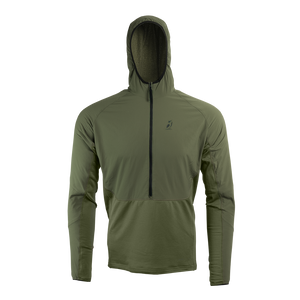
[00:03:29] David: Yeah, actually just had a pretty serious fall. I was in Puerto Rico about a month and a half ago, and it was raining. I was going downhill and like generally when we're going downhill and the rain, you know, you slow it. A little bit. Um, and I was going faster than I knew. I should. And whenever I got to this one spot where there's a little bit of mud in the road, and it was just like enough in this second, I hit it. I was like, I'm going down and then, you know, half a second later, I just crashed right into it and it's, that was pretty bad. I was wearing my rain jacket, so, you know, tore straight through that thing. It just absorbed like or dissolved like toilet paper.
[00:04:11] Tayson: Yeah. Yeah, I want to get into gear at some point and see kind of differences there but I imagine you're you're trying to keep things light just like a through hiker, through hiker Backpacker, but yeah, like so you're just hitting pavement at how fast that time.
[00:04:27] David: I was probably going somewhere between 20 and 22 miles an hour. We just so dumb, like I know I was going way too fast for it for being rained, and I was just like, I'll just wing it. And then, as I was going down, I was like, oh, you deserved this a little bit?
[00:04:43] Tayson: Any lasting injury from that or
[00:04:46] David: not really just great me up and range jacket. Unfortunately got the front of it, I would say
[Editor’s note: This late-2023 Puerto Rico fall account describes a hazardous personal experience, not road-skating guidance. Road conditions, traffic, laws, protective equipment, skill, and emergency planning require current local review.]
[00:04:54] Tayson: how long did that I've kind of a stalk you a little On Instagram and curious. How long, and how far that that thru-skate was that you just got back from?
[00:05:06] David: Yeah, so it ended up taking me exactly. Three weeks, I haven't actually calculated the exact mileage, but I think it was about 300 miles all the way around the island. And so, I started an Old San Juan and basically, just kind of stayed along the, the ocean side for almost the whole way.
[00:05:28] Tayson: And sounded like the streets there were maybe not as accommodating as on other skates that you've done.
[00:05:34] David: You know, I'm not on doing research. I don't want to know exactly what to expect before I get there and this turned out to be a pretty big mistake and Puerto Rico, I should have done like, you know, just a little research. The roads were going to be rough and that traffic was gonna be hectic. They drive a little bit more aggressively there. Then we do here in the states or inside the conoce and So, I knew to expect that what I didn't expect, was that the roads are only about a car and a half lengths wide, and there are tons of blind curves as actually, my original plan was just to kind of go towards what looked interesting, and it was like, the third or fourth day in. I realized that I had to stay closer to the coastline, because, as I was going up and down the mountains, is just blind Corner. After blind corner, and cars were just speeding through and there wasn't enough room for both of us. It's, I had to adjust their pretty early on.
[00:06:38] Tayson: Yeah, I mean, I've never been to Puerto Rico, but I can imagine that the probably not opposed to like nudging you off the road basically. Like, they're like, like, they're squeezing gaps, they're shooting gaps, they're using their horns a lot. Typically, like I imagine it was like a bit hectic and a bit intense, but but tell me some of the highlights. I mean, this sounds like a pretty epic adventure. Just literally skating around hitting beaches, you know, being on the coastline like that. So what was some of the highlights of that trip for you?
[00:07:13] David: probably the biggest one was just almost every single night was sleeping on the beach, and Because of where I was skating through. It was almost remote every single night so you're kind of like on your own private beach hanging out in the tent, you know, swimming in the ocean every night and would you know, how has its pros and cons. It was also hot every night and so like the first night in I stayed a little bit more Inland and I was so sweaty. I was like oh I don't know if I could do this and I didn't hardly sleep that night and so that was another reason for kind of hugging the coastline also just kind of one of the things is I am not bilingual. I only speaking English. And once you get outside of the main tourist areas, most people there, just speak Spanish. And so while I was going through, I really had like language barriers. I just nice to just kind of be announced later in that aspect and have to figure it out.
[00:08:17] Tayson: Yeah, for travel, I think language is something that holds so many people up from actually getting out there and trying it. Right. Did you end up using or downloading like Google Translate or anything on that?
[00:08:28] David: I live by it. It actually it's amazing that we live in a time where we have that you know you used to thumb through the book. Now you could just type it out and show it to the person you can communicate quite easily.
[00:08:39] Tayson: Yeah, okay. Yeah. I I always like it is a hesitation and it's difficult but it's so possible in the day and age we live in right to, right, to just go and give it a shot. And and just you'll figure it out. And generally people are pretty helpful and if one person isn't then, there's two other that are so yeah. What
[00:08:58] David: what the biggest problems that I notice with the language barrier, is what I would be attempting to order food wise was very rarely what I actually got its that was like the only language hang up. But yeah, so I just got a guy used to be a surprise with what I was gonna eat and the quantity of what I was going to eat.
[00:09:20] Tayson: Did you get some good food or was it pretty plain down there?
[00:09:28] David: Be honest. I was actually quite disappointed with the food actually, two weeks in made a joke. It just kind of ran with it that the national bird of Puerto Rico is overcooked chicken. And that's kind of just what I started to anticipate was just that they just like to cook food a little bit more thoroughly than we do here which ended up being kind of my downfall. I ended up getting food poisoning while I was there and so, you know, it happens.
[00:10:00] Tayson: Yeah, yeah, that is never fun. I've yeah, it's not. I we have a team member here at Outdoor Vitals that lived in the DR. And it he doesn't talk that highly of the food therapy there. Just very
[00:10:15] David: Bland rice and beans a lot. Yeah,
[00:10:18] Tayson: I mean, I think it's just such a poor country that even like didn't even sound like they're, you know, could afford to have, you know, chicken or something like that, a lot of these meals. So yeah, it's it's interesting. So I feel like one of the things you look forward to the most in your traveling is food. But yeah. Wherever you're going dictates that, right?
[00:10:35] David: It does actually have this theory about this, you know, a lot of countries that things were very poor and the kind of like living situation wasn't great, they tend to have fantastic food and I think that it's one of those things. Like if what's around you isn't great. You choose to make food better and it's a, you know, just Improvement in your life and in Puerto Rico, things aren't bad, they're pretty good. And so they didn't like have to gravitate towards you know more interesting flavors societally and probably the same in the DR but I'm not great at history so I could just you know be talking about my rear right now.
[00:11:15] Tayson: I I can see that for sure, one of the things that I see a lot, right? Is that like when you're in a poorer country, a lot of times, maybe they can't afford sugar, so they use spice and everything, right? If you can't sugar, then you have spice. I wish that was more rampant in the United States, like, because like, you have to have flavor, like, people don't want bland food, right? So, you're either adding sugar or adding spice and in the US, it feels like we're just add sugar to everything, right? And so, definitely when I'm, you know, cooking and whatnot. I like I try to go the other way and like add spice just because it's, I don't know. I just, I like it. Alright, and if you get used to it, then you get used to it. And actually coming off of like Christmas and stuff. I feel like I start to, like, develop these sugar dependencies. And I have to be like a solid weak or something of just like no sugar to like, help reset. Because it's so dang, addictive. And I love going to these other countries because you have amazing food, but it's not because they've had a sugared, everything, it's because the food and and the seasonings, you know what I mean? So
[00:12:11] David: this one of the things about like through hiking is that in order to not have a huge caloric deficit, the method that we all take is we eat like a typical American And I think that that is like so descriptive of what the American diet is like, where we're like, oh we gotta eat candy Oreos, you know, I love Oreos. So no, I'm not shaming, the Oreo people out there
[00:12:39] Tayson: so good,
[00:12:40] David: but they're so Cali, right?
[00:12:45] Tayson: So, speaking about like, eating in calories, when you're doing a thru-skate. I imagine you're you're basically matching calories to what you would be doing through hiking, so you're probably really trying to get calories in, but what is what, maybe differs from a typical through hikers diet versus what, what you might be eating out there are you are you into cities a lot more? So, is that change how much food you're carrying or yeah, maybe walk us through what that might look like in the difference is?
[00:13:12] David: Yeah, so I keep like a core amount of food inside my pack, generally just like a couple of days because like you said, we are kind of more into towns more frequently. I sticking through roads and But I keep like a couple of days worth of food inside my pack and then it just kind of depends on what towns we hit. But I eat out way more when I'm thru-skating than whenever I'm through hiking. And that also helps with keeping up with the calories, if you can eat, you know, Fried Chicken along the way. You're gonna be doing a whole lot better than if you're eating Ramen at night.
[00:13:48] Tayson: Yeah, you're not withering away a person.
[00:13:50] David: Yeah. The food is definitely better with thru-skating than it is with through hiking, but there are quite a lot of similarities.
[Editor’s note: The complete food, sugar, diet, calorie, and resupply discussion above preserves personal opinions and trip accounts from February 2024. It is not medical or nutrition guidance, and its broader diet claims were not independently verified.]
[00:13:59] Tayson: So is that for you is that one of the drawers to thru-skating or what makes you attracted to thru-skating versus through hiking?
[00:14:06] David: Um, well, I definitely like the both but it kind of just depends on the adventure that you want to have. Actually a lot of times when I'm thru-skating, if my legs start to get tired I'll pick up the board and walk for a while. If we come across the trail, I'll hike it for a while. It's so it really just kind of depends on the adventure that you want. I just skating is just one of the most fun. I don't, I don't know if you skate. It's hard to have a bad day while you're skating. And so you're kind of going along. You can carve, you know, you can listen to music and it's just so much fun and I love through hiking as well. But it's hard to have those kind of antics while you're just walking in a straight line.
[00:14:50] Tayson: Yeah, I I don't skate, but I do I grew up on, on two wheels, I guess you could say. And it's, it's hard to have a bad day on a bicycle, or a motorcycle, is me, you know? Taking my kid for a, you know, five mile an hour ride on the dirt bike and I'm still smiling. You know what I mean?
[00:15:06] David: Exactly.
[00:15:06] Tayson: So I I can understand that for sure. I could who invented this. Like, where are you? Like the guy that's like put this together. I've just I'm probably in the dark on this as far as like people that are thru-skating, but maybe it was just a brief history of if there is a history of thru-skating and how the started to come to be.
[00:15:29] David: Actually don't know who you could. Technically say is the first person. There's a like a few people that we could sit there like the Godfathers of it. There's a guy named Paul Kent lives up in Canada, who he started something along tracks on Skate decks and they would film themselves, you know, basically kind of skating countries. And so he's one of the big Originators of it. I came to know about it through a guy named Alex and I read an article about him where he thru-skated the Florida Trail and he just decided to bring it with him. He was the first guy and I read that. And actually at the time that I read it, I did not know how to skateboard, but I just that I did just kind of stuck with me. And then years later, I ended up picking up skating and the idea just kind of stayed with me and just decided to go and actually do the Florida Trail as well.
[Editor’s note: The phrase “he started something along tracks on Skate decks” is unclear in the preserved speech. The surrounding account independently establishes only that David is describing historic early distance-skating examples, including Paul Kent’s filmed trips and an article about Alex skating the Florida Trail; no corrected speech has been supplied.]
[00:16:25] Tayson: That's that's actually really surprising that. I just figured that you probably grew up skating and so it was like the most natural thing to continue to skate and try to apply that over, right? So did you start skating? To do this or was it just kind of a fun hobby or like how did you even get into skating then?
[00:16:41] David: So I actually had a friend that he had a kid and this friend and I grew up together and I was gonna teach the kid how to skate. And so I was like, you know, I want this to be an activity that we can do in this kid gets older and it's our thing together. And so I was like stamina Star Learning. And I was 33 is on my 33rd birthday that I picked up skateboard and it started skating and then got into thru-skating about two years later.
[Editor’s note: A short phrase immediately before David says he began at age 33 is unclear in the preserved speech. The surrounding account supports only that he decided to learn so skating could become an activity shared with his friend’s child; no exact unsupported wording has been supplied.]
[00:17:08] Tayson: Yeah. That's, that's fascinating. Yeah, I just would have assumed, like, from the time, you're 10 years old or something, you're on a skateboard. So it's just like, now, if I'm, if I'm through hiking, like I want to skate when I get to this road or something like that, so that's that is kind of a different, a different approach to it, which is, which is cool, right? Because you, I mean picking it up at 33, that that opens up possibilities for a lot of people that may have some interest in.
[00:17:31] David: Yeah.
[00:17:32] Tayson: Right.
[00:17:33] David: I was terrified of skateboarding whenever I was a kid
[00:17:36] Tayson: and he's my hand to that, right?
[Editor’s note: This brief host interjection is unclear in the preserved speech. The surrounding exchange supports only the topic of fear around skateboarding; the immutable wording is retained rather than guessed.]
[00:17:39] David: It is scary. But actually I think that whenever I see kids skateboarding now, now that I'm older and got into it, I'm always impressed by them because it's something it teaches you like all these great life lessons, where, you know, you're going to fall down constantly, you're going to get her constantly. And you just have to keep at it and say, teaches you to like, get over problems that you're having to, you know, be persistent. And so, I think the, like, skating teaches you all these great things, I kind of wish I had picked it up when I was younger. It just, you know, you know, you have to get over the fear of falling and then once you've Fallen a few times, you're like this is awful, but it's not as bad as you think.
[00:18:21] Tayson: Yeah. Yeah, I I think I mean I think that's such a good a good point too. Like skating is difficult and not a lot of people, I guess, learn to appreciate it, you know what I mean? Because they might try once and they fall straight on their head and it's like, all right, I'm out, you know what I mean? But oh, there's probably a lot of confidence built in in kids and in people that that stick to it and get past. Specially that like, those first. 100 200 Falls, you know what I mean?
[00:18:49] David: You know, it's the same with motorcycles too. Like if you I think if you fall on your motorcycle you lay it down you know and you can't ride for a little while. All you're doing is thinking about riding that motorcycle and that is how you know that you love it is whenever you want to go back to it despite the negativity.
[00:19:09] Tayson: It's a good point, I think. I mean, just to take it on the tangent of like kids for second. I think, you know, I've got a couple of kids and it's like I don't know what it is. That's gonna resonate with them but definitely like you hope that they latch onto something like that. Oh words Dirt Bikes mountain bikes, you know mountain bikes getting so big and so it's like sports, whatever it is and just latch on and just just Fuel That Fire because I think anything that they can get that passionate about like it's going to inherently push him. And yeah, just help them. Help them grow. But So bring this back to the topic at hand, though. It sounds like you've also done a little bit of through hiking then.
[00:19:47] David: I I so on the Florida Trail, I hiked about 800 miles of it and skated 300, because the Florida Trail has about 300 miles of Road section. And so on that one, I carried the board I pack quite a lot. And then as I've done a lot of that and then I grew up in the Appalachians. I've done a lot of the Appalachian Trail. I used to live in Colorado, so I've done almost the whole Colorado Trail.
[00:20:13] Tayson: Nice. So, and I imagine you're quite familiar with, with through hiking, then and gear and setups and stuff like that. So what differs between what you're taking out there and what through hikers taking out there? As far as the gear itself goes
[00:20:27] David: Actually between through hiking and thru-skating, my gear stays almost consistently the same, obviously, weight is a huge thing and so I do ultralight hiking. So, you know, I'm always consistently trying to keep things under 10 pounds. But, you know, whenever I'm thru-skating, I'll have like a little skate tool. It's basically like keychain size. So, it's, it's perfect for what we need out there but it's not super efficient and maybe carry like an extra bearing. But a lot of, you know, the gear things that I need to do skating wise is just the repairs and things like that. Just comes before the before I ever start, where everything's built to really last like, 1,000 miles and So like my board actually probably has probably getting close to 2,500 miles on it now and, you know, I've had to go through some wheels in that time and the bearings, but I just changed them out beforehand and you're all set.
[00:21:30] Tayson: The do you have to invest more heavily into that board to get it to, you know, be ready for a trip like that? Like, you know, like I don't know bring it back to mountain biking or something like that. Like, you can spend Thousand dollars on mountain bike. You can spend 15,000 dollars in a mountain bike. Like, do you have to invest in that board at a higher level to have a board? That'll go 2500 miles like that.
[00:21:52] David: Um, I think it definitely held us, but I don't think it's necessarily needed it very much like, through hiking, you know, there's people that have the ultra-light gear and, you know, change it out, you know, every Thousand Miles, something like that. And then and have the, the brand new, best of everything. And then you got the guy, you know, I don't know if you know this hiker Megaman, he created something called the Fourth Crown, where he came up with his own Long Trail. He a lot of what he uses is, basically like Walmart gear, and this is like one of the best hikers out there. And I think like it helps to have higher end gear. You know, it helps that this board is so well, but I have seen people out there, doing it with much cheaper boards, but the board that I ride, if I could mention a brand name is something called Pantheon, And they are all about distance and durability. And so, you know, I think they're like the top of the tier when it comes to that kind of stuff.
[00:23:02] Tayson: Yeah, I like in my head I'm thinking like the bearings like you say, wheels and bearings have to be a huge factor in that. But what does what does a board weigh?
[00:23:12] David: I think my board weighs probably five or six pounds, just the deck. And then once you add in wheels and everything, I think he comes to about eight or nine pounds, I have more of a conventional popsicle style deck, and that thing weighs right under six pounds. And so, when you're having a hike, it's a little heavy.
[00:23:33] Tayson: Yeah. I honestly thought it was gonna be like 10 plus, so that's that's better than I was thinking. You mentioned know that like you're you're still very focused on on being ultralight and I'm curious, you know, because let's say your bike packing. People try to stay really light but it seems like it's just it's not like priority one priority two, right? Or maybe it's priority to, but it's not priority one, maybe things being really Compact and tight is more of a priority on a bike or something like that. So, out of curiosity, what what makes lightweight or the weight of things matter? So much on a skateboard? Is that is there just is there not as much? Rolling benefit, you know what I mean? Like, like coasting benefit is you might think or
[00:24:22] David: right? It's very much like if you're having to carry more weight and with the movement of your body, you're going to get tired easier. Also, when you're on the board and you've got a heavier pack, you're more top-heavy and so you can't really like being compact, actually helps me quite a lot. If something does go wrong where I could kind of maneuver a little bit more quickly where if I was wearing a 20 pound pack, I'm probably just going down and, It helps to not be, so top heavy.
[00:24:55] Tayson: Yeah, I actually just did a YouTube video about like everyone talks about the weight of things but like the bulk of things and how Having a more bulky pack. Like if you just paid attention to weight, but not bulk per se. Like that weighs on you throughout the day, the twisting, the turning the motion, you know, and like you say the falling or the like so that definitely I can see that for sure as well. So, yeah, makes sense when you When you think back about like the thru-skates that you've done, is there. One in particular that really comes to mind? Maybe has like the most was the most epic adventure of them. Maybe it's just the one you just did but I don't know, I'm just curious if there's if there's one that really stands out.
[00:25:38] David: I think the one that stands out the most would be New Mexico. So when I was in Florida, I actually met another guy. Justin Bright, who was thru-skating, the whole state of Florida. He did 1100 miles on his board And we didn't know each other at the time, we got introduced and we ended up meeting up at a hiker Meetup. And like the first night we met each other. We were like, we should skate something together. We were a little bit intoxicated and so we were just kind of rambling ideas. It's somehow, New Mexico, came up and just like a few weeks later, we met at the border of Texas and may our way up the state of New Mexico. It was it was so magical like it was just the most fun I've ever had in my life and actually him. And I barely knew each other at the time. And we just kind of took a chance on skating together, and I didn't know much about New Mexico at the time. it's so we just kind of went through had Adventure after adventure and like to the extent it's like hard to even explain to people like how much fun we were having and we ended up coming through this little town called Madrid, New Mexico and I found it to be like the most fun place I've ever been and I was living in Colorado at the time. So when we got done skating, I went back to Colorado and a few months later, ended up moving to Madrid. And that's where I live now,
[00:27:10] Tayson: really?
[00:27:11] David: Yeah. I love it. And I'm driving there. It's it's yeah, it's a life-changing going there.
[00:27:16] Tayson: Yeah, so on that, on that trip, is there? Was like, the craziest thing that you feel like happened through that. How many miles was that the 400 and something miles, right?
[00:27:29] David: Yeah, I think we ended up doing, like, 485, something like that, or 475. You know, I would say it's probably just a combination of the experiences that we had but one of the things that we got really big into with sleeping under bridges and because out, in the desert, I'm the desert, you know, there's just nothing around and you're quite exposed and the first night or first or second night we were skating through and we came along the Rio Grande, and there was a bridge there and the riverbed was completely dry. And Justin was like, you know, we should sleep underneath the this bridge tonight. I was like, there's no way I'm sleeping under a bridge. I was totally against it. I tried to, you know, we went back and forth for like an hour about it and we did it, we ended up just loving it. So along the way we just like, tried to find Bridges to sleep under. And it really just kind of made me more of a dirt bag than I already was. And so, I think like, just every night we were trying to find some interesting place to stay and that was really quite nice.
[00:28:37] Tayson: Did you ever have any? Companions or visitors under the bridge with you.
[00:28:42] David: Uh there was one night where actually Justin woke me up and he was like hey man I think I hear coyotes and we're look like sleeping in a river bed as I grabbed my headlamp and I turned it on and we could just see eyes like circled around us and you know they're they're probably like a hundred yards away, maybe a little closer but just terrified the heck, I was but what were we gonna do? And for some dumb reason, we decided to sleep this out of our food bag that night. And so we're both sleeping beside of our food bags. And in that moment I was like, oh this was an awful decision but we just kind of went back to bed. We were like, whatever's gonna happen is gonna happen like we're just circled right now, right?
[00:29:25] Tayson: Right. Yeah, luckily coyotes are not as big as some of the other Critters out there, but it's still it's it's it could be tough, you go back to sleep, you know, and it's just like that for sure.
[00:29:38] David: There's almond his eyes could be a little terrifying, you know, in the morning.
[00:29:42] Tayson: Stream about them, the rest of the night. I mean, I have heard stories of of coyotes that. Like, or just Camp. Robbers, like they'll sneak in and, you know, they're not gonna be like bother you, but they'll they'll go for your food, like, they'll try to sneak it out if they can and actually, if they're like, you know, close to cities and roads, like they're not as scared of people and, and I think they get Aggressively close. You know, trying to steal stuff out of your camp and they're so smart man. Coyotes are
[00:30:14] David: very sad mischievous.
[Editor’s note: Sleeping in a dry riverbed under a bridge with food beside camp is a preserved trip anecdote, not a camping protocol. Flood, wildlife, food-storage, access, and permission risks require location-specific review.]
[00:30:16] Tayson: Yeah. Um, so talk to me a little bit about what? It's what it's like to. Yeah, find Camp. Obviously, when you're, when you're through hiking or backpacking, you can in a lot of places you can camp just about anywhere. But what are you guys typically looking for, when you're when you're setting up camp, how often are you? You know, right on the road or right outside of a town or yeah. Walk us through with that looks like and what's different there.
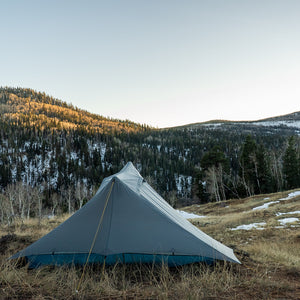
[00:30:41] David: Yeah. So typically we try to stay just outside of town and so kind of the things that we look for. First is a place to fill up water before we go to bed because generally we're dry camping. And once we've established that about an hour or two before the sun starts to set we'll start looking for places to camp and sometimes will look on the map and see what looks good. Sometimes you just gotta skate to you find something and but generally we tried to stop before the sun is finally setting. Whatever is setting it gets a little bit more dangerous to skate because the sons and people's eyes and So, it makes a little bit trickier to kind of weave through traffic. But, you know, one of the nice things about just having your gear with is, when you find a little spot, you can just set up. We do a bit of stealth camping and you know, actually like in Puerto Rico, I think all but one night I was stealth camping and so you just kind of look for a little spots and our you know, ours are like here is quite small and so we can just set it up wherever.
[Editor’s note: The roadside and stealth-camping practices above are historical personal accounts, not advice. Confirm current land access, permission, local law, weather, flood, wildlife, visibility, and traffic conditions.]
[00:31:49] Tayson: Yeah. yeah, I'm most surprised that in Puerto Rico, you didn't like go with a hammock setup or
[00:31:57] David: I kind of regret not doing that. I thought about it, but I, I like just got a new tent and I was, I was so committed to destroying it out and so I was like, just bring it with it. Yeah. What a been great?
[00:32:11] Tayson: What a little cooler at least most the night. And there's no shortage of trees down there. So, no, I think that's It's just, it's, it's always fascinating to learn about a new, a new sport, a new wave of doing things. And You know, kind of relate to them, right? And for you what what really draws you back to continuing to do this, right? Because you you could go skate in the afternoon and like get your fill of just skating, right. Like you just gonna skate every day for an hour after work or whatever and and get Skate time in right? But obviously you're you're getting pulled out there for for something else or some additional things right? So for you what what does pull you out there to Take the sport, run with it and, and also be a proponent, you know, of trying to build the sport.
[00:33:07] David: I think it's just like one of the best and most ultimate ways of traveling. And I think that's what I really enjoy about it. I get you know, very kind of pent up in the monotony of day-to-day life and so like obviously like we have to work, we have to, you know, pay bills and do this and that but I get so wound up about it and so it's nice to work for a while and then go skating for three months. And also think that you can like really see what a place is like whenever you're skating or hiking through it because you actually have to slow down, you know, like we did the Natchez Trace, 444 miles through all these different states towns a little provinces. And it's whenever you're driving through that, most people drive that road in about eight to ten hours and you can't learn anything about what a community is really like when you're driving through but whenever You're having to skate through it, you learn like what the people are like, what their businesses are like, and you really could see a place for what it is. And that's another thing that I just enjoyed is just an exciting part of the adventure.
[00:34:23] Tayson: Yeah. That resonates with me, I think the ability to kind of integrate into that local culture more, right? Because if you're if you're through hiking you are coming through towns. But a lot of times I mean it's just you come in, you eat, you charge some battery Banks and you're out, right? It's right, you're not you're not seeing as much, you're not interacting with that. As many people you're not seeing you know you're not passing houses and going through the city as much to to kind of get integrated more with the people. So you know for someone who enjoys traveling and the outdoors I can I can see how your you're getting a little bit of a different take and you are integrating more closely with the local people there and just getting a better taste of that per se.
[00:35:08] David: Exactly. And you are able to like talk to people in a little bit of a different way than you do in your through hiking, you know, a lot of times when you're through hiking, people assume you're kind of homeless, right? Unless you're in a trail tell down and you know, it's cover reflection at how we treat homeless people, but a lot of times they they just won't even talk to you. But when you're on a skateboard and you're doing it, people are just like, what the heck are you doing? And so, did you get to have a little bit more of a conversation?
[00:35:36] Tayson: Like you're you're step above homeless. So now I will talk to you at least,
[00:35:41] David: I think that's what I push you for. Is that the homeless, you get more skateboards Conversation.
[Editor’s note: This sentence is unclear in the preserved speech. The surrounding exchange independently establishes only that skating prompted conversations with people; no corrected speech has been supplied.]
[00:35:51] Tayson: That's awesome. That's awesome. Yeah, I mean, yeah, I mean, if you, if you have even some kind of a prop, you know what I mean? It takes the edge off, so it's skateboard skateboard. Do the trick, I would imagine. Like, when you're coming through towns, you know, you have the luxury of like, I'm gonna skate over here and go to this local Diner. That's all the rage versus when you're coming in, on through hike. Like you know, you a lot of times you're not wanting to deviate much in that town to get, you know, you're coming straight through all this, there's three restaurants basically on the path and you're going to pick between those versus being able to be like Hey, like a mile outside of town down the road a little more. There is something worth worth going to an experience, right? Or food, or
[00:36:34] David: some five miles out of the way, you know, we think of it in relatively, it's a time of like that might be 40 minutes to an hour out of the way, but to go grab something to eat. We may do it. Where if you're hiking you know, that could be two to three hours.
[00:36:50] Tayson: Yeah, well that brings up a really good point that I meant to ask you earlier is what kind of mileage are you averaging a day. So like on that that Natchez Trace Parkway. You know, how long did that take you? And what does that average out to be?
[00:37:04] David: So the Natchez Trace, we were smoking on that one. We were doing about 40 plus miles a day and we actually biking.
[00:37:15] Tayson: Yeah, biking mileage.
[00:37:17] David: You know, we ready to a few bikers down there, that were asking us our mileage. And then we tell them what we were doing in there. Like what? And you could actually do more, you could probably average about 50 60 a day, but we do quite a ton of goofing off when I was at Puerto Rico, just because of traffic and also goofing off on beaches. You know, I was doing 15 to 20 a day so really kind of depends on the location, what the roads are like pavement wise and also what traffic is like.
[Editor’s note: The phrases “we actually biking” and “we ready to a few bikers” are unclear in the preserved speech. The surrounding exchange independently establishes only a biking-mileage comparison and encounters with cyclists who asked about mileage; no corrected speech has been supplied.]
[00:37:52] Tayson: So, going back to that, that Parkway one. What does the day look like? Are you? To get 40 mi in, are you? Are you having to to really like, focus on trail time or are you able to be like, no, we stopped for like, you know, two hours for lunch or, you know what I mean? Or like, we're not getting up early per se or just kind of lay out, like, the level of intensity that it takes to hit 40 miles on that on that route.
[00:38:21] David: So you do have to kind of keep an eye on the time in the mileage, but we really take it quite easy, you know, we wake up generally around with the sun and, you know, we'll kind of just lay in our tents for a while. Drink coffee and hang out. We do something. We call getting our minds right, which depending on the state, you know, it's we take our, we smoke our medicine.
[00:38:47] Tayson: Yeah.
[00:38:48] David: And So we get our minds right? And then we're ready to start skating and so, you know, you got to be prepared. And so then we start skating, we'll start out kind of slow actually we generally walk for just a little bit to warm our legs up and then we'll start skating and then stop around lunch time and eat. And I just gotta put our legs up and hang out and then we just stopped along the way at whatever looks fun. And so you know whenever we're on the Natchez, there was a ton of historic places so we were always just stopping and reading signs and learning more about the area.
[Editor’s note: This paragraph preserves a historical account of cannabis use before road skating. It is not safety guidance; impairment and road-use laws vary, and mixing intoxicants with traffic exposure can cause serious injury.]
[00:39:27] Tayson: Yeah I could see if you're starting your day off like that that you would probably be less keen on like hitting a specific mileage goal or be a little more relaxed, be like, let's stop here for a bit, right? Which but I think that's what's cool about, like, being able to have a tool like that as you can. I mean it's all relative, it's all perspective. But I think one of the things that I, that sometimes I can dislike with through hiking per se is, It's such a massive goal and it takes so much time that that it can, depending on. Or personal situation, or even whether it can put some pressure on you to, like, to be pushing, pushing pushing? Oh, and and there's good in that, right? Like, I think there's there's a lot of good of setting big goals and just grinding towards those goals, and And whatnot. But but You know, I hate I hate to like, have all these like let's say work goals or personal life goals. Be grinding, grinding grinding and then go out into nature and be like grinding grinding grinding, right like that, Yin in the yin effect here where it's like no and I'm out in nature, I should be able to be relaxing and just breathing it in a little bit more. And that's one thing that I do try to be conscious of that, because I do sometimes I find myself walking that line a little bit like, you know, we I've run some old Trails, I trail run quite a bit and then you know, fast packed that's something that we do quite a bit. But you know, sometimes like there's times when I love moving fast on a trail and being able to get through areas that I might not be able to get through in the time frame. That I have, but there's other times where I'm like, man, like I really wish we could slow down right now, you know, right.
[00:41:05] David: Actually I used to really struggle with that and I think that like once you get to a certain level of hiking, you start comparing yourself to other people. And you're like, if I'm not doing 30 miles in a day, like what am I even doing? I was actually listening to a podcast and the woman was talking about, you know, there's people sitting inside of an office right now. Wishing they were doing what you're doing, so, why are you speeding through it? Like you, there was a point where you were sitting in an office wishing you were doing what you were doing. So it doesn't matter necessarily about the mileage like slow down and actually enjoy it. Because for some people it may be your once in a lifetime trip.
[00:41:43] Tayson: Yeah.
[00:41:44] David: Yeah,
[00:41:44] Tayson: I think it and for me, I think it's setting my mind right from the beginning, because if I set a goal I can't I can't like deviate. Like I'm just so one tracked my mind sometimes and so it's like like beer realistic. Like I think there's times when it makes sense to have like, you know, maybe it's like, hey, I've really wanted to do this Trail. It takes a long time. Like, I need to, maybe push on this Trail, but then, you know, have a different one where it's like, hey, I could I could go 15 miles a day or 10 miles a day and like, take this really relaxed and sleep in a little in the morning and get to Camp early enough to like fish or hang out. You know what I mean? So I think I think it's important perspective for sure.
[00:42:22] David: Yeah.
[00:42:22] Tayson: But that's that's still blows me away. You can get 40 mi in on skateboard without like Pushing extremely hard, you know like like the clock in every minute of the day to make that happen, so it's impressive.
[00:42:35] David: Okay, Paul Kent. I was telling you about does 60, 70 miles a day. Like that guy just kind of sticks to it. And so I think like there's they do something actually. It's coming up in about a month so called an ultra marathon. All right, Ultra Ultra skate. There we go. And it's how far can you skate within 24 hours along a racetrack, right? And there are people there that do over 300 miles in a day. And so actually there's a guy that may be the record coming up in just a few weeks. But I think the record right now is like 312, 315 miles and so
[00:43:12] Tayson: always there track or something or
[00:43:16] David: yeah it's done in Homestead Florida on a which you know unless you're you're going there for the ultra skate. There's no reason to go to Homestead. I was so disappointed the first time I ever went there, but yeah, you, you just stayed along a track there for 24 hours.
[00:43:36] Tayson: Yeah, that's a 300 miles.
[00:43:40] David: Yeah
[00:43:41] Tayson: you asked me that I would have said like after you even gave me reference, which you guys been doing, I've been like, all right, most you could do 24-hour period, like 120 140 miles. Maybe some bright. Yeah, so 300 is just insane.
[00:43:57] David: It is is say their people like urinate while they're on their boards they you know you just slow down and just let it go like they won't even get off for that.
[00:44:05] Tayson: Yeah. Oh man. Yeah. I I've heard of that a little bit and I mean when you get into that level I guess that's the changes you got to make. Right?
[00:44:16] David: Exactly. Yeah. I think there's like when we were skating the Natchez, I, I think that there are people that could skate that in less than four days. I think these guys, they could turn out like, you know, 300 miles in a day, I think they genuinely do it in less than four. And so, I actually, I think it would be a great, a Great Road for some people to try to race on and it just see how far how fast you do for 444.
[Editor’s note: The Ultra-Skate timing, possible record attempt, approximate 312–315-mile record, extreme 24-hour performance accounts, and Natchez Trace race idea above were statements made in February 2024. They are not current event or record data and are not performance or route guidance.]
[00:44:46] Tayson: Skate up hills or do you hike them?
[00:44:48] David: That depends on the grade. You know. Kind of a light grade will skate up because you're still going faster than if you were walking. And it's not that strenuous on your muscles, if it's pretty steep, we just get off and walk.
[00:45:02] Tayson: Okay. Yeah, that's really hard to like describe that without just seeing like, all right, this is too steep. This is not. But
[00:45:09] David: yeah, it has to be a real light Hill and we'll still skate up it. Sometimes it's just nice to walk of it to, you know, use different muscles.
[00:45:19] Tayson: That makes sense. Is there any other like big challenges with thru-skating that we haven't talked about?
[00:45:30] David: Say maybe like two of them generally traffic is pretty understanding. Sometimes you'll get an aggressive driver. It generally, the only thing they'll do is lay on their horn as they're going by you. And but, you know, 90 plus percent of people are quite friendly and like, we'll get a lot of like, really friendly honks Also, just kind of like hiking you're dealing with the mental aspect. You know, if you're getting rained on, you know, there's days where we've been gone rained on, you know, the full day or even like a couple days in a row and you still just have to skate. And it's actually a little worse when you're skating in the rain and when you're hiking in the rain because you're you're back, will will actually launch the water directly into your shoe. And so the whole day you're, you know, I put my left foot forward. It's generally just like slightly wet and then my right foot will be just completely soaked
[00:46:31] Tayson: Yeah, imagine you're skating in shorts most the time, right? So
[00:46:35] David: yeah,
[00:46:35] Tayson: let's just know. Oh, man. Yeah, that would be. just one of those little things that probably works on you throughout the day like never get a break from water going. I remember I wrote a bike so I lived in, I lived in Malaysia for a little bit and I remember sometimes we'd have to go out and Bike somewhere. This is when I was, you know, a lot younger. And when it would rain hard, like, it would rain so hard there. That the everything just started flooding essentially and with every single pedal stroke your foot would submerge and then come back out. It's just like so mentally taxing to just be like this. How do you not think this is the worst thing that could happen, right? You know, but
[00:47:25] David: It's kind of, like, you know, they water torture where, they'll just have, you know, a drop of water land on your forehead like every three seconds, it really does start to mess with you.
[00:47:37] Tayson: Right?
[00:47:38] David: And what, you know, generally skating is just like so much fun. But whenever you get tired and you're hungry, and you're one of your foot, if you just like soaking wet, it does start to get to you a little bit.
[00:47:51] Tayson: Yeah, I was expecting, I guess to talk about traffic a little bit that to me, would feel like the thing that would be the hardest Like on me like just being right? I don't know. Like, I think you'd have to have a great perspective to just be like that was a friendly honk, you know, that wasn't Puerto Rico, but
[00:48:12] David: because everybody there does the one honk. So if it's good, they'll do the one honk. If it's bad, they'll do the one honk and so. So somebody would come by just honk at me and I'd be like, I don't know if that's friendly or negative. Yes, Yeah, that was a little bit of a struggle there. When you're skating at traffic, there's a couple of things that help us First of all, you kind of like learn a language where you could communicate with the cars and with the drivers where, you know, we skate with the traffic and so whenever they come up behind us, you know, we're aware of them before they ever get close to us. Uh, but we'll actually skate a little bit further away from the line. And so, you know, we'll skate on the right side of the road, but we'll actually come out more towards the middle of the lane and what that kind of communicates to drivers is to go around us on the left where if we're hugging the line they'll get pretty darn close is. So you kind of learn that communication and we will do like hand gestures we call it the sloth hand where you just kind of go. And I know that people listening to this can't really see but you make like a little sloth and Usher people past you. And so we try to communicate in that way. But experience also helps, I could be, you know, three inches from a car as it's going by me and it didn't have Harley any effect on me. I think, you know, your heart rate goes up just slightly, but you'd really do just kind of get used to it.
[00:49:42] Tayson: You'd have to because that's sounds terrifying.
[00:49:46] David: And then have an Exit Plan, you know, generally we push about three kicks and then look behind us to see if there's a car. And so, we're quite aware of what's going on. But if we see a car coming up fast, that's a little too close. We'll Dismount from the board and we've had to jump off of a few times. And look, luckily never had an accident.
[00:50:10] Tayson: Yeah, yeah. It's it's it's good to be aware of, for sure, from, from a driving perspective but yeah, I would think I would think that's the number one thing that would keep someone from attempting. This would be the traffic aspect. So I would imagine when you're selecting a highway or whatnot, you're pretty conscious of traffic,
[00:50:29] David: right,
[00:50:30] Tayson: and you kind of mention you not in the DR or Puerto Rico, but usually I would imagine. And so just how like, how bad is it? Is it? Do you get pretty good stretches of no traffic? Or is it just kind of a constant Factor?
[00:50:43] David: It kind of depends where you're at. So like on the Natchez, we basically had very little traffic, almost the whole time where it's a Parkway, not a lot of actually there's no commercial use. So a lot of people that are on there are going from town to town, or they're there specifically for the park way. And so we didn't have a ton of traffic, you know, cut to like New Mexico. If you're closer to town, you're obviously going to have more traffic if you're out to in the desert nothing and so you can really book some miles then if the pavement is good and then Puerto Rico that there was like no point where I was ever going fast. I was always traveling along with cars and just had to be aware 100% of the time.
[Editor’s note: The traffic-positioning, hand-signal, dismount, and route-selection practices above are David’s 2024 account, not an operational road-skating protocol. Current traffic law, route access, visibility, protective equipment, skill, support, and emergency planning require independent local review.]
[00:51:29] Tayson: Yeah. That makes sense. well, I appreciate you coming on the show, and it's been really interesting to just See this different perspective, different support different way of exploring, right? I think there's a million ways to see the world and I always love to hear about new new methods, new ways and ones that resonate with you know, people, I think that that, you know, I don't know, there's just, there's just like, like I think in a lot of times we talk about hiking, hiking makes a lot of sense because you know, for the most part everyone can can walk and maybe not everyone can skateboard per se, but I think there's just a million ways to do this and and Love, love the perspective that you've brought here so