[00:00:00] Tayson: Welcome to the Live Ultralight Podcast, powered by Outdoor Vitals. Today, we are going to be talking about living life, 100 miles at a time. Or in other words, the OV 100 Mile Challenge, Actually, that's like a sneak peek on a future book. I'm gonna write live live your life 100 miles at a time. So, that's trademarked. Copyrighted and should be. But no. Today, we're gonna be talking all about that. We're gonna talk about, I don't know, just gonna kind of shoot the breeze, I guess. But Start off by talking a little bit about Just Fitness where we're at. It's the time of year where the sun's finally coming out again around here. We've been getting out. I've been training and planning the years. So yeah, how we doing today? Tyler, what's, what's on the agenda? For you up and coming?
[00:00:47] Tyler: I'm excited right now. We have just barely opened the registration for the OV 100 and it's going very well. We've got a lot of people really excited to join. We had a last year. We had I looked at the number right before we got on, we're headed last year and we're putting a cap on this year, which we haven't before. yeah, and the cap is just logistical constraints for supplies and Things like that. And so yeah, you better get signed up quickly if you haven't already and it's gonna be good. We've we've made a bunch of good changes that we can list out and talk about things that our previous participants have asked for and we've listened and considered everything heavily and we've we want it to be the best event that we possibly can. And we want it to be really meaningful to people. And so we've made a lot of upgrades this time and so so we're gonna talk about a bunch of stuff
[00:01:50] Tayson: today, but I think it's good that we just hit that right out of the gate, you can sign up for the OV 100. We'll put links in the show notes or just go to calm. It's the first Banner on the website so you can you can get signed up but I actually want to kick this off with a quote, is a quote that I just barely came across but it's also a quote that I have. Like I feel like I've lived My Life by Specialty. The last handful of years, maybe longer because I just like entrepreneurship and sports and stuff like that but It's a quote that really is resonated with me. Like it's like the motto for the year for me, which is it's a quote by T. S. Eliot and it says Only those who will risk going too far. Can possibly find out how far one can go. So again, only those who will risk going too far, can possibly find out how far one can go. So when I say that quote, what do you what do you have to say about that?
[Editor’s note: The preceding registration, capacity, program-upgrade, website, and show-notes discussion describes the March 2024 campaign. The preserved speech does not clearly retain the prior-year count or destination wording, and the former challenge shortlink now redirects to a different campaign. No current availability, capacity, benefit, price, registration instruction, link, or destination is supplied.]
[00:02:51] Tyler: It's That's a challenging position to put yourself in because, you know, it's gonna cause a little bit of pain.
[00:03:00] Tayson: Right, right.
[00:03:01] Tyler: Go in a little too far. Is, is gonna hurt at times. But
[00:03:06] Tayson: never, we've never gone too far specially together. Tyler.
[00:03:10] Tyler: Yeah. But I think if you do that in a controlled environment, it's really good for you. If you can push yourself in training or push yourself and whatever you're doing and eliminate as many variables as you can then I think it's it's really good for you. I love that quote that goes around. It's like a video from Jordan Peterson where he's he's talking about. Allowing your kids to do dangerous. Things safely and and that's where all the growth comes from. I think that's kind of the same thing that we're talking about here, but for me, as a mountain biker and someone who rides dirt bikes and likes extreme sports. It's all about this, it's all about, you know, knowing what your limit is and and being able to go to the Limit without going over the limit in the wrong places, you know? So well, I think you're going to like full danger mode here, but,
[00:04:18] Tayson: and that's part of it, that's definitely can be a part of it, but I guess let's talk about the first part of this. Only those willing to risk going too far. What is what is too far and I don't I guess I just have a personal opinion about this. I'll let out in a minute but like What is too far and how often are people going too far? Like I mean, when you're talking about like generalities I'm not talking about like the extremists or anything. I'm talking about like General people you know right? Are they ever going too far in your mind or what is too far?
[00:04:53] Tyler: Kind of depends on what you're applying this to, but in general. Think going too far, would look like you're obsessing a little um and and people might start to think you're a little obsessed or crazy about it, you know, about whatever it is that you're doing. but, but yeah, I think I think going too far is like maybe just getting out of your comfort zone and and go into a place that you've never been and just not knowing what that is going to look and feel like not knowing if that's gonna Cost you more money or time, then you want to give to whatever it is, you're doing, but being willing to get into that territory, just for the sake of growth. I think it's a lot of what this is about.
[00:05:50] Tayson: Yeah. what I, what I think about is Lift the family. Come on Joe. All right, hopefully the audio if it was bad for second, it's better now. But what I think about is A time in my life when this I think happened, right? It was so I played football in high school and I Had this coach and he was, he was interesting. Some people loved him. Some people didn't love him. I liked him. There's times I definitely did not like him. There was times that I thought he was absolutely crazy and I hated him but overall he was awesome and it really wasn't until years down the road. I realized the value of that coach. And what I mean by that is He was one that was kind of, he was really big on discipline, and he loved to make us run. To the point where it was just it was it was super ridiculous, right? One football camp, we were a football camp and he just had us out running on the field at one in the afternoon. And this is in a city that was really hot and tell. He put two guys in the hospital for heat stroke they're throwing up, I had to get IVs and I was like just the two that collapsed right. Everyone else pretty much threw up on the entire team. Everyone was suffering, right? I mean it earned him like nicknames right like there was some nicknames that float around him like he was some you know type of drill sergeant or War veteran type of guy and it was just it was really it was really stupid in my mindset like this doesn't help us really be better football players. But years later, as I went through other parts of life, I realized that. That like, certain things to me, just weren't that hard like to other people. These were the hardest things in the world and to me, I was like, You know, I don't know. Hard like let me tell you about heart, right? And, and it. A quote that a company is this is one from everyone's favorite guy these days David Goggins, right? And his quote is when you think that you're done you're only 40% of what your body is capable of doing and that as soon as I heard the first time, I heard that cool, that's exactly where my mind was back to running in football. Because I was done. An hour ago and I'm still having to run wind Sprints, right? And people are throwing up all around me. I never really threw up but like throwing up all around me and like people are dying and we're just still running, still running. And if it would have been up to me, I would have 100% quit. If I was pushing myself it was just me pushing myself. I would have quit so long ago. That it would have been like two wind Sprints and I was done not literally a hundred right? And so what I learned you know is time went on, I got older is that I would go and do other things and I'd be like This isn't hard. I've done hard. This isn't hard right arrived. I've hit these limits before where it's pure collapse. Like, you are, you're non-functioning, or And I think from that lesson, it bleeds into the rest of of life. And so when I think about both of those quotes from from our favorite David Goggins or from T. S. Eliot here, that's going too far. Like that's pushing yourself to a point of collapsing and and that's kind of specifically talking in body, right? Sickly. But there's something about that. Physical side, the bleeds. And I think to every other part of life, whether it's, like, maybe just waking up early. Maybe it's mental or emotional. Struggles that come up and your ability to tolerate them or other things. But, but I go back to that and I think back to that football coach, and if I ever saw him again, I would just say, man, you changed my life even though I don't think you had a clue what you Really you changed my life, right? You you made me do these incredibly you pushed me past my limits so far, past them that I learned that I don't know my limits per se. Sometimes I've really met my limits, right? You know, back and look at like the first Tushars race I did. When my hands quit functioning and my face started twitching, and I couldn't talk anymore. Like that was a limit. I should have called it right there. I probably should have got an iv from a medic, which I didn't really realize that they probably had on staff, but would have been very smart. That was a limit, right? I was one day in my life where I hit that limit, but those lessons go far beyond because then in everyday life, you know, I I can know my limits. I can know how far I can push now. There's pushing too far stupidly, you know, maybe that's creating injury and just perpetuating an injury, right? That's pushing too far and creating too much imbalance in life, but but another aspects of life, I think it's incredibly healthy that we pushed to our limits. personally, personal opinion, not doctrine here or anything, but I think we live in a day and age, Of abundance. We, we have so much at our fingertips that it's, it's rarely a question at least where we live in the United States that you're going to have food, Water Shelter, you know, or options for those, right? Even if like something catastrophic happens, quite a few government, you know, options to help you get back on your feet and just other things, right? But I'm just saying, like, so most of the time we're buying nicer, clothes, nicer food. We're getting nicer shelters and and in a lot of ways like we're getting softer, write the amount of people that I interview personally that or just the work with, like, they don't even a lot of times, they don't even want more money. They want more time off. They want to work less or they want more time to travel or which I'm not saying like, I love to travel too like that, I'm not saying that's a bad thing, I'm just saying like it's different, you used to be you'd work 40, 50 hours a week to put food on the table. Whereas now it's like I just want my time back and I want to be able to, you know, work a super flexible schedule and I want like, Whatever it is, right? We live in this time of abundance. And I think what that has created is, I look around the world is just a softer. Softer culture. and, So to wrap this back around a little bit of why I thought this quote was so meaningful to start this conversation off. I think that that signing up for challenges signing up for races. Well, that's a mountain bike race or an ultra marathon. Signing up for a challenge like this to go backpack and accomplished. 100 mile, backpacking trip. Those are opportunities for us to push past Comfort levels at times and to accomplish something that teaches us valuable lessons and you will enjoy the journey, 100% special with this one, right? Like you're backpacking. It's hard not to enjoy that Journey. Can there be suffering? Depends on if Tyler's deciding how fast we go or not. But but at the end of it, like you've got to spend incredible time out there. You've got, you know, you just making something happen and you may find yourself pushing yourself to some limits at times, but those are the moments where we grow the most.
[Editor’s note: The preceding historical football-conditioning and endurance accounts—including heat illness, collapse, vomiting, hospitalization, IV treatment, Tushars loss of function and the speaker’s IV/medical claim, injury and imbalance, and statements about pushing to physical limits—are anecdotes, not a safe training, medical, hydration, treatment, or exertion model. They do not establish a diagnosis, safe threshold, verified outcome, or appropriate care.]
[00:13:25] Tyler: Yeah, absolutely. I totally believe that.
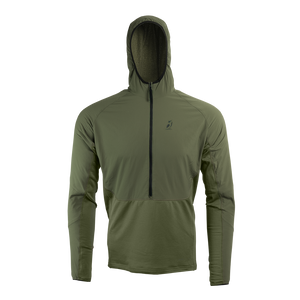
[00:13:30] Tayson: so, that being said, Now's your time to join, the 100-mile challenge. So what is the Hundred Mile Challenge? The Hundred Mile Challenge is a DIY challenge. You sign up. You have a trip window from July to September, you choose to go do either a Non-Stop 100 mile hike where you just consecutively every night you sleep on trail until you finish the 100 miles or a stacked version where you string together a couple of trips to get to 100 miles over here trips not hiking but they have to string them together with sleeping on the trail. To make that that count for for us. And from our side, what we do is we provide we provide structure, right? So we provide a training framework, this is the training framework. For those of you watching on YouTube, we provide information inside there. We filmed videos to help educate and teach on how to both physically. Prepare, prepare your gear trip planning safety, hydration and water. All those kinds of things, we walk you through how to prepare for those and then we all get hundreds and 100s of people to sign up for this. And we create groups. And those groups allow you to ask questions, share progress, you know, we we have a closed Facebook group that people can post and it's already been getting posted in like crazy. It's been really cool to see. In fact, the the one that comes to Seen already is this guy who's 82 years old, he signed up for the challenge to do this and this is the second year, we get a ton of repeat people that do this as well because they've just thoroughly enjoyed that the group and like camaraderie there and the challenge itself, we have the Facebook group. Then we also have a Strava Group, which maybe we'll get into towards the end, but that's essentially just a way to to track some of the training itself. So that's more or less. What you get along with some bonuses. We give you. an Altitude Hoodie—you know, 50 bucks—an Altitude Hoodie, we give you some store credit. We give you the printed materials that give you a poster that training that's like a training table or chart on it that you can follow along. We do live video calls to start this and to end this. we have video content inside of a gated course we build accountability into this to help push you. There's a lot we can cover but that's kind of the overview, I'd say. Yeah. What it is, right? Yeah, and pick your own trail and you go figure out, you know, what calls you in, whether it's your backyard or cross, the country, whatever it is, you pick your own destination, which is why it's more the DIY style and you go make this happen but still as a group
[Editor’s note: The continuous/stacked rules, trip window, overnight requirement, training material, safety and water topics, calls, groups, Strava, apparel, store credit, and other benefits in the preceding run describe the 2024 OV 100 Mile Challenge only. They are not current registration, route, safety, training, or benefit instructions.]
[00:16:14] Tyler: yeah, that's the big thing is, people see us doing monthly trips as a team and they're like, We would love to come on a trip with you. At some point we get tons of requests like that and logistically. That's very hard but we do want to celebrate backpacking with with everyone that we possibly can. And so the reason that we started the OV 100 the way that we did was so that we could all backpack together. So we're all going on this journey of Picking a bucket list level trip together, training for those trips together, going out and executing on our own trips during the trip window. But doing it together in the sense that we're doing it at the same time. And we're updating each other on it in Facebook and Strava and in some of these other ways that we're sharing about it. And so, That makes it really fun, it makes it more real you know if you if you pay to join a challenge then you've got that little bit of Sting that you know makes you commit to it better. But then if you share your plans in the group, that's just that much more commitment that you're making to make it happen. And so, if you've got a big trip that you've wanted to do for a couple of years, but There's just a little too much friction to make you actually get out there and plan it and make it happen. This is that nudge that we're giving you to make that happen and share that with us. And and that's really like a lot of the value of it is just having something that makes it makes it real enough to make you get it done.
[00:18:06] Tayson: The whole reason that we do this, it comes back to the purpose of Outdoor Vitals, which is to connect people to the vital outdoors. And this is an incredibly powerful way if you guys will take a commitment, you know, put in a little bit of money, essentially to get some buy-in and again, not a lot of money—and I'll come back to that, but we create this Buy in and we help you, to push you to get out there and connect with the vital Outdoors. We believe that it helps you physically mentally emotionally Just helped rejuvenate you in this this day and age that we're in. But the thing is that's that's like there's so much power in this group. We did it the first year as a beta program. We let 100 people do this with us and the results that we saw blew us away. And when it came to the next year, it's like we can't not do this right? Because we impacted 100 people at that level. What if we were impact a couple hundred people and it just grew, right? It's just grown and grown and grown. Exactly. Yeah. And and it's, it's been incredibly powerful to see those results. The thing about it is though we're able to drive the way that we've structured this. We're able to drive results for for such a fractional amount nominal amount, right? So in say, ultra running, which is something. So, I've signed up for 100 Mi race which I maybe shouldn't have said, I can't remember if we filmed an episode on that yet but and so I'm training on that. Well I can I can go on hire a coach well a coach for that. Type of thing might be 200 dollars per month, right? There gonna, they're gonna and what? What's the real value in a coach? Because honestly, all of the information is out there, the real value in a coach is accountability. and then a little bit of like their secret sauce of like, hey you should try running these two runs back to And you should try, you know maybe do a little bit longer here, right? But that's like just some little things for for the most part you could buy twenty dollar audible book. That is a I mean I have one 30-plus-hour audiobook from one of the best ultra running coaches in the world and it has just an insane amount of information in it and then that same guy does podcasts, right? So I can list not. So all this information is almost free. But what's the value in potentially hiring coach? It's accountability, right? It's it's a structured program you plug in and you and you make it happen. Just like I was mentioning earlier with that football coach. If that football coach wasn't on the sidelines, forcing me to run. I would not have run. I would have not have held up my end of the bargain and done the training. I needed to be prepared to play the game of football and that's what this provides. It provides that accountability. We provide you a structured training program. Me tailored to yourself, right? It's a structure that then, you can come in and say, okay, what level on the structure, my playing at, where do I want to plug into this and move forward? But then there's this accountability side of these other apps, the closed Facebook group, The Strava group. And this year we've built in some additional accountability where you're going to submit to us how many miles you're doing. And you know, we haven't maybe talked about this but but in reality, we should have someone from our customer connection team reach out to people that are logging zero miles and say hey what's going on? What's going on? We need you to you know what I mean. It and just in building that accountability but when when you just have that accountability or you're seeing others be accountable and push and reach goals it's motivating. It pushes you to make something happen. Yes, there's a lot of information in this book. There's a lot of information in the videos and it's all extremely valuable stuff that we've learned the hard way at times that we get to share in shortcut for you, right? You're paying for for a bunch of shortcuts and a more guaranteed result that you're going to make this happen. But you're getting, you're getting accountability, you're getting this framework and you're just you're just significantly improving the possibility of success with this, for the cost of 60 bucks, right? A tank of gas, something like that for
[00:22:08] Tyler: most cars. Well really. The cost of the book and the altitude, hoodie itself, covers all the costs of everything that we give.
[00:22:18] Tayson: And if you complete it you get a 30 plus dollar hat pins. You store credit that we give you as well to help you with any purchases you need for going out there. I mean we basically have built 200 dollars worth of costs and value into this program. And it's 60 something bucks, right? And we're building a lot of fun
[00:22:40] Tyler: into it too. We haven't mentioned yet at all. That there's gonna be monthly giveaways. We've got a bunch of brand Partners. There's gonna be really good valuable free trials from those brand Partners or free products from them. And so you'll get a lot, you'll learn a lot and you'll have a lot of fun. Yeah, too.
[Editor’s note: The preceding 2024 promotional run includes historical claims about participant impact, health and results, accountability and training, the stated price, the book and Altitude Hoodie, a completion hat and pins, store credit, a stated $200 value and $60-something price, monthly giveaways, partner free trials or products, and likelihood of success. These are not current terms, benefits, or price; verified outcomes; guarantees; or individualized guidance.]
[00:23:03] Tayson: So I don't want to make this a big pitch. I want to keep focused on things like why 100 miles and you know why a training program so I don't have anything I guess to add to the the training program side of things. Have you ever worked a training program, SAR results with the training program versus Like waking up each week and being like, Oh, I should train for this goal or oh.
[00:23:24] Tyler: Yeah. Yeah. For sure. Similar to Tayson, I was an athlete in high school. I raced mountain bikes on the national level and for a long time, it was just my dad and I just showing up like we would just, I would go practice during the week and then we show up at the races on the weekend and I would go for it. But then I started to reach a point where where I would plateau and so that was where I had to start to reach out, kind of through the sponsorship, Network to find coaching and things, and that always made a huge difference. And I have value that through my whole life and my experience as an entrepreneur and and everything. And at this point right now, I've been having some health struggles with my digestion and so what I do, I found a coach I found a dietitian and I found Some tools to help me and I paid big money for that, but it has yielded great results. I've learned a ton from it and and I just, I really believe in in that format of getting some outside accountability. Getting some Some help and some experience to be able to shortcut the process and and so that's what it's done for me recently. And that's what we're going to do in this third year of the OV 100.
[Editor’s note: Tyler’s digestion, dietitian, tools, cost, and reported result are an individual historical account. They do not establish medical causation or general health, diet, treatment, or coaching guidance.]
[00:24:53] Tayson: Yeah, so let's talk for a minute about why is this A Hundred Mile Challenge? Why isn't it a Thousand Mile Challenge or a 10-mile challenge? Right? What where did we come up with the 100-mile mark? And why is that a significant Mark to us per se? Yeah. So for starters, one of the things that we we've done is we have the ability to survey a lot of Backpackers and through a survey we found out that much more than the majority had never hiked 100 miles like special in one consecutive go, right.
[00:25:29] Tyler: Basically, only the through hikers. Yeah.
[00:25:31] Tayson: Basically, if you weren't a thru-hiker, you probably hadn't done it even people like section hikers, they usually were were doing less than 100 miles per section. You know, they're making say, three-day weekends maybe occasional 4-day weekends and typically even getting up to four days is hard to get 100 mi in. So that was really interesting from a survey perspective. and then as we started to continue to push, you know, the number of days in the field on our own company trips and and so on and so forth because for us The reality is that through hiking is not in the cards, right? Careers families, kids things like that. It's not something that that most people in our office are ever going to to make happen. And if we do it's probably we're gonna be more like the retired guys out there, right? 60 year old guys who are hitting their thru-hikes. In the meantime, right, there are these other opportunities to put together, say weeklong, week long type trips. And so yeah, as we started to push our own duration and we we started to look at 100 miles distance is and then go on. 100th was was a big Landmark, right? One. And it's just a big number. It's a very significant number and easy to to kind of put on a pedestal per se, but two hundred miles forces you outside. For significant amount of time. Right? If you're someone who's following, say our 20 mile a day Mark, March that we like to talk about. That's five days, right? Five days. Not many people will actually put together a five-day hike. And for most people, they may even make that a seven-day hike or longer, right? So let's see, people just aren't going to do that without a little bit of a push, but when you go out on trail that long, what I find personally Is that like day one, you're starting to leave, you know, work and stress and things like that behind. Ditto you're kind of getting into it but then if it's like a three-day trip day three's about getting back home, getting gear put away getting prepped for the next that you know like it becomes so you got like one day of like being fully disconnected and present. But if you can stretch that out a little bit farther, you really open up the possibility of really, just being present and being there saying I've got nothing but this Trail in me. You know, know, getting on the trail. No getting off the trail for the next say, three days of just pure hiking, and nothing else. And it allows you to I, in my opinion, just more thoroughly. Enjoy the trail more thoroughly disconnecting and rejuvenate and and also You know, going back to the to the start of this to just set a big goal and push yourself a bit to make that happen and that's it. The last part of that is in 100 miles at least in 90 90% of the world. I mean that's too much but in 90% of the world, 100 miles—you can pretty much hike any section of anything, right? There's so much population and growth and Roads and things like that. That it's really hard to find much more than 100 miles section where you're not Crossing roads, or couldn't break that into a smaller chunker segment
[00:28:44] Tyler: so well. And I think it also, Speaks to our obsession with really big country. We love Being up in those 12,000-, 13,000-, and 14,000-foot mountains and those trails and those mountain ranges are just big and so if you want to do, you know a big loop around those mountains or or do a section that is actually logistically doable in some of these Trails like on the Colorado Trail. 100 miles just kind of makes sense as far as like how you break up the trails or how you navigate those areas and That's what we love. We just love getting up there. Seeing those ridiculous views, challenging ourselves, and, and testing our gear and and all of that. So I think that played into the 100 mile distance as well.
[00:29:46] Tayson: when you think about the people that have done this challenge with us, what comes to mind when you think about kind of the distance, or how it's pushed them,
[00:29:55] Tyler: Well, no one hikes 100 miles on a backpacking trip by accident. And and what I mean by that is You can plan a 40 mile, backpacking trip. And have something happen where, you know, maybe you can't get your car to where you thought you would end. And so, you end up having to hike an extra 10 or 15 miles or something to get out, you know, and so then you ended up adding and making your 40 mile trip via 55 mile trip, and you're like, oh, cool, you know, we got some extra miles that's that's no big deal but but really 100 miles doesn't happen by accident. You have to set the goal. You have to plan. It's a big distance and and you have to work for it. And so as far as the participants that we've had the last two years they have often cited how You know, a lot of ways it was harder than they expected, but also way more gratifying than than they expected it to be. And we've had a lot of people complete the challenge. There's always going to be some who drop out due to time constraints or an injury or, you know, work changes or things like that. But
[00:31:16] Tayson: I'll go from like the I was gonna do this in one shot to the Stacked version,
[00:31:20] Tyler: right? We have all, you know, we had a few people who got 80 mi in in the Sierras last year and there's just too many wildfires for them to continue and so they're like, all right, I'm gonna have to do it 20. Miler in the stacked version of the OV 100 to get my hat, in which they did, and and that's that's doable. But yeah, I think it's I've never done. 100 mile, backpacking trip and not felt hugely accomplished, you know, and I think that's that's a lot of it especially when you're in those big mountains, like we do and you look back at the end of a 20 mile day, and the peak that you started on is the farthest Peak that you can see in the distance and you're like, wow, I hiked as far as I can see today in this ridiculously gradually. Do it twice country? Yeah. Yeah. By lunch by a lot of times. Yeah.
[00:32:14] Tayson: Usually it's like you see. Look as far as you can, possibly see you get there halfway through the day. Then you get to the next base and you see as far as you can see, in fact, I actually just had I was working on some stuff and I have pulled up our YouTube channel and last year's Uinta Highline Trail video started autoplaying. And we walked up to Rocky Sea Pass, like one of our first passes on that trip and you're all staying in there with your knee up on a rock looking all Macho and you're like we have to cover that entire base in the day. I've counted Seven Lakes so far in it you know this is like noon or like no it's probably like one or later and it was really cool to like look on the video and look across this huge Basin, huge looking Basin and just be like yeah we did we covered that entire Basin by Nightfall and got through the next pass and down the other side and camped. Um, yeah, this big, big sense of accomplishment and just a really cool thing, it really helps you like I said, rewrite your limits, but also rewrite possibilities, right? One of my biggest things when I started to train and prepare for for doing 100 mile hike. And for me, it was kind of like we're trying to do it in five days for our own time constraints. So I was doing some training it, it totally rewrote my personal experience or what what it meant to hike miles. So some people, you'll talk to and say, yeah, hiked five miles and they'll say that's a lot. Some people say, I had 10 miles unless they say that's a lot. Some people will, you know, 15 20. And what I found is that through that training in preparation, it rewrote. What to me is a lot of miles or what's the possible amount of miles. And with that flip, that switch that flipped It allowed me to rewrite, the realm of of trails and possibilities that I have. For instance, one of the trails that we've we really need to get to looking at planning would be the Wonderland Trail. It's 100 Mile Trail and we've been able to kind of piece together through rumors and conversations that we could probably do that without having to pull like the coveted permits. If we can do it in three days so it's like 30 plus miles a day. Would be completely impossible for me, even five to seven years ago, right? And now it's like, that's that's within the realm of possibility, which means that trail is now within the realm of possibility where it might not have been before or if it would have been way more difficult or just way less likely, right? I'll be honest, I'm not the kind of guy that watches permits and is good at pulling permits Maybe if I delegate that to Tyler, it'll happen but if it's up to me I just I don't I struggle with planning in that way. And so for me, it's almost like taking it out of the realm of possibility to within a realm of possibility, by rewriting, my experience with miles on the trail. I'm not saying that's the goal here. I'm not saying that's like what you have to do. I'm just saying through this process. You'll rewrite some of those things and, and it will open up a possibilities for trails. That you wouldn't have thought possible before, right? There's sections of trails, they're just just amazing, right? Even even take something like the John Muir Trail, right? That's a bigger trail; that's a 200-mile trail, but I bet a lot of even listening right now, think that that's like a bucket list, you know, when I retire from work, maybe I'll go do that trailer. Like, it's almost like what we talked about with like a long trail with a true hiking trail. They might think the same thing about the John Muir Trail, but the reality is, hey, He may be able to make that, you know, instead of what you think is going to be 14 day experience, maybe you can make that into a 10-day, or a nine-day trip. And then when you, when you change that frame of reference and frame of mind, then all sudden you're like, hey, I could probably get that much time off of work and make that happen next year, instead of what I'm 65 and retired or whatever it is, right? So I think rewriting just your experience with Miles rewriting what's what's really possible? And what's not is very interesting and that comes from experience that comes from setting goals. Maybe pushing limits a little or just executing and building confidence with experience, right? Let's say you don't even push big miles, but you just start to build your own confidence. Hey, I can, I can do this, I can backpack 10 miles a day, And I can do that for three or four days in a row. I've never done that before. I just did it and you build confidence and it puts other things on your radar, that maybe just weren't possibilities before.
[Editor’s note: The preceding Wonderland Trail mileage and permit discussion reflects Tayson’s historical understanding in 2024. It does not establish a current lawful route, permit exemption, itinerary, or safe daily mileage; consult current land-manager rules and conditions.]
[00:36:47] Tyler: Yeah. You know. In the lower 48 in the US. The farthest that you can get from the road. Is less than 50 miles. Yeah, for sure the very farthest. It's actually a spot in Wyoming and it's like, 46 miles From Any Road. It's like logistically. The the very farthest student possibly get from a road, my family, and I did a horseback trip into that area at one point. And and when you get that far back entry, it's kind of scary, you know, like kind of like, whoa, we're really alone here. And when we went there, we were, we were there. Way before like GPS devices were the norm or anything. So the reason that I bring that up is because Through our progression over the last four or five years. I have gained the confidence and the capability to be able to do a 50-mile day. And That gives me a lot of comfort, just when I go like on a road trip, I remember, I remember one time, my family was doing a picnic in the mountains and our car wouldn't start after the picnic was was over and my Dad ran back into town. This was before cell phones. And
[00:38:10] Tayson: you know those car phones like that
[00:38:13] Tyler: work truck like the huge. This was before the cigarette lighter and it was like,
[00:38:19] Tayson: yeah, I remember that.
[00:38:24] Tyler: But but now he he ran like the 18 miles into town to find someone to come back and probably a jumpsuit and cowboy boots. Yeah, he ran that in cowboy boots. And I always thought like, man, that was, that was crazy that he was able to run that far because that was way out of my realm, you know, for a long time. But now I'm like, well, if I had to for my family, there's no doubt I could do 50 miles in a day, you know? And and that confidence has come from from what we're doing with these challenges and the things that we've learned and, and all of that. And so and that's really my goal with the OV 100, is to make everyone who joins it more capable confident and comfortable in the back country because that's, it really for me, it's it's all about them, mental, physical, and spiritual, health and Rejuvenation that I get when I'm out there and It's hard to get that if you're not comfortable or confident, you know. So
[Editor’s note: The preceding claims about the farthest point from a road, a 46-mile distance in Wyoming, 50 miles in a day, and backcountry capability are preserved participant statements and were not independently verified here. They are not emergency, navigation, route, or physical-performance guidance.]
[00:39:30] Tayson: Yeah, I think. Watching this, the last handful of years. Has been really interesting because we get people from all walks of life. We've had a nine year old do this. I've got an 82 year old that's back in the challenge for second or third year in a row. We've got people that you know just Because of Life situation, they can only do this on weekends, they do the Stacked version and they do only do it on weekends. We've got people multiple people that have posted Know like that, they stuck to the training program. And, you know, we're obviously adding in some things like like dieting and things and they lost 20 30 pounds and just, you know, reroute their own capabilities and their own confidence. People. That have never backpacked. We've had people that have maybe not backpacked in, I think it was 15 or 20 years and this got them back into backpacking. And so it's really cool to see the stories to see the people share the stories. They're inspiring their, they are life-changing. A lot of these people, you know, a lot of people they get out on trail and make lifelong memories with, with their kids with their siblings. With cousins or friends. And that's I think what, what all so is just a massive motivating factor in this. You know, when we started to do company trips at Outdoor Vitals, it was to build team camaraderie. It was to you know, test gear for sure, it was to maybe build some marketing contents and things like that. But one thing that is for sure is that every time we go and do these one thing that is for sure, is that every time we go and do these, we leave the trail more connected as a team. Having known the people that you're on the trail with getting to know them better, you know, personally. You know, they're out how they work. You know, what motivates them just seeing each other great through some, you know, blisters or pain or whatever, just makes you respect them that much more. Yep. And and there's, there's just so many side benefits I guess to that. That being said, I don't know what it is gonna be for you. There's no saying what you're gonna learn how you're going to grow. But there is absolute power and I can promise you that if you make that commitment, you will grow. You will find the areas that are weak in your life or that that are not ready yet. Ready for this challenge, will come to the surface and you'll get to experience those Growth through those learn through those and overcome those. And I think that's all. So, again, comes back to the power of doing this within a group doing this within a framework because when you do, have those come up, Go and ask a question, you can ask us the question. You can ask the Facebook group, a question you can refer to the hours of video content and the you know 50 pages of workbook here to help you overcome those and and not hit roadblocks. Keep the progress moving forward and stay consistent, right? It's that consistency. That will prove results and that's what you're, what you're really signing up for is a consistent training program, accountability, and that forward progress, to make it happen, to make you go and be able to go and do your dream hikes, right? hike or hikes, they have to go and just And and, and look back on this year 2024 and be like, holy cow. Look what I did. I wanted to do that for years and I, finally, finally made it happen. So, Yeah, I think that's 100 Mile Challenge and a framework and a nutshell here. Is there anything else that were or missing or where are you at right now? Are you For us, I guess we'll talk about our plans this year. We've got jokingly started this by saying, you know, we live life 100 miles at a time. I have 100 miles race that I'm going to do. We've got the 100-mile OV challenge that we're going to do. We're going to go back to the Colorado Trail and do the next 100 plus miles. I mean, I'm hoping we can do more like 120 miles of the Colorado Trail this year and maybe we'll sneak some other things in. I'd like to, I'd like to but we don't have those yet set in stone but What? With that in mind. What, what? I don't know. Are you doing anything I guess right now to prepare for that? That or Or to, I don't know what, what should people be thinking about right now? If they're considering this and what kind of prep work? Does it look like right now?
[Editor’s note: Participant ages, completion experiences, reported weight changes, return to backpacking, and promised growth in the preceding run are historical program claims that were not independently verified here. They are not health, weight-loss, injury, or training guarantees.]
[00:44:20] Tyler: Well, We increase the trip window by more than a month this time. So the actual trip window for the OV 100 is going to be and the middle of June all the way through September—into October. and so right now is the time to be figuring out. What big trip you want to execute? Get excited about it and shake out of that Cabin Fever that we get through the winter when we're not as active and able to to get out in the wild as much and and be thinking about where you want to go. And and look for those permitting Rules and Things, I think that in reality, it's easier to get permits than most. People think for some of these amazing places. If you actually take the time to look up the permitting process, and you get ahead of it. Most of the time people are like, oh, I want to go do this Trail. And then they look it up and realize it's permitted and realize that the permit openings have been open for a month and a half and and a good dates are gone. That's not to say that there's not enough room for everyone to get out. It's just that you need to be planned and so I think that's a big part of it. I think the next Most important thing to do with preparing for this is to figure out who you want to do. The challenge with. We are going to be doing it collectively as a group, even though we'll be in separate areas, we will be doing it together and sharing our experience as we go. But the trip is a whole lot more fun when you have someone standing beside you on top of that mountain. And so um, A lot of the people who dropped out of the OV 100, the last couple years did not have a partner to hike with. And so I think it's really important that you get excited about the OV 100, find your buddy or family member or or find someone in our closed Facebook group after you join and, and make sure you have someone to hike with because that does make it more enjoyable. You can build amazing relationships that way and And it will help you to make sure that you execute on a Unforgettable trip. So that's yeah,
[00:47:01] Tayson: first things that come to mind. What do you say to someone that just feels like this is still Out Of Reach in terms of Say physical capability, right? Yeah. Do they need to be training because we truth? I mean, you're gonna hear us talk about training all the time. Do you feel like they have to be training in order to join this challenge? Or what's your thoughts on that?
[Editor’s note: The preceding trip-window wording is partially unclear, and all dates, permit timing, partner advice, group access, and dropout observations refer to the 2024 campaign. They do not establish current dates, permit availability, registration status, partner requirements, or a complete safety plan.]
[00:47:23] Tyler: I don't think you need to be training currently, but we have built in a framework that will help you to get up to the proper mileage level, and, and within that framework. The first thing we help you do is figure out your Baseline. So to just figure out what your body can handle as far as hiking and walking goes right now. Once you figure out your Baseline, then you can look at our training tables and some of the other guidance, that's in the workbook to recognize what is going to be possible for you this year, if you're really not accustomed to hiking, The non-stop 100 mile trip may not be within reach this year, and that's okay. You can still choose the Casual hiker track, or you just have to have a really like a bigger length of time than most people, right? Yeah, exactly. And so I think that there's a way for just about everyone to do this challenge, if you're, if you're gonna really commit to it, follow the training guidance and work with your constraints and just be really planned out. One of my favorite little mantras to live by, is the separation is in the preparation and that that really speaks to what we're talking about here. You can have an amazing trip. Preparation—yes, that's a solid one—and you can have an amazing trip this year if you plan and prepare to have an amazing trip this year. And and so If you are feeling like you're a little out of shape or just very inexperienced, this challenge is built for you. It's built to help you to get the knowledge and the accountability and and Um, the support from the community that you need to be able to make it happen.
[Editor’s note: Baseline testing, mileage tables, casual and nonstop tracks, preparation claims, and suitability statements describe the historical 2024 framework. They are not individualized medical, injury, fitness, or training instructions, and the transcript does not establish that every person can safely complete the challenge.]
[00:49:27] Tayson: Yeah. yeah, I think that Just to come back to it. Wherever you're at. Just fine. We can have you plug in to this. Grow from there and go wherever you know it is that you desire because again there's a DIY you're choosing yourself what your goals are. We just help you stay accountable and make them happen. That's it. And you might say, well do I really need to pay someone to do that? It's fine. Don't think about it. As paying us, think about you bought an altitude hoodie. That's it right? You bought an Altitude Hoodie, bought a really nice piece of gear. And you get this aside benefit because I promise you, I'm I've been in your boat personally, I've never paid for a coach. I always justify it away. I always, you know, and for me I might be in a different situation. Here I go just fine, you know, because I have access to some Elite Runners that I can just ask questions to. And then I think in some ways I hold myself very accountable, it's my personality but also because of things like making content, it also holds me accountable. It's like, well I'm running this race and or I'm doing this hike, like I'm told people I'm doing it. So I build a lot of my own accountability in, but I promise you that even if you're not, the person has ever hired a coach, you're done anything like that. This is your half step, right? We're not gonna breathe over your shoulder, but I think you will find tremendous power and just in buying that Altitude Hoodie and then getting the side benefits of everything else we've been talking about. And I and I just want to wrap this up by bringing back that same quote again, right? Only those who will risk going too far. Can possibly find out how far one can go. Set a big goal guys. Set a big goal to go hike 100 miles this year. Don't say next year, don't say whatever. Right. We don't know what's gonna happen next year. I mean, take this and to, for what it's worth, right? The only thing that is real is what's happening right now The future hasn't happened. It's not a reality yet. The past is over. It's not a reality right now. The only thing that's real is what's happening right now we have no idea what's to come, right? We just make our decisions today we experience what's happening right now in this moment? And that's it, that's the only thing that's real to us. And So many people live life waiting for next year, waiting for retirement, waiting for kids to grow up and move out of the house, so that you get free time back. Right. Waiting waiting waiting, for the next job waiting for a better job, right? You can spend your entire life waiting and most people do or you can change that script and start to become, you know a yes man. Right. Go watch that Jim Carrey film. Yes, man. I promise you that the more stuff that you just say yes to and you try, the less regrets you'll have in life and one of my favorite quotes of all time for the last decade plus has been that the pain of regret is worse than the pain, you feel now. And what I mean by that is Pain of not saying yes right now and going out there and trying this challenge. Even if it's just trying the challenge, That pain of regret will likely be worse than the pain of going out there and starting to, you know, train and prepare and to even attempt it right. I promise you, that's true. Regret is one of the most painful things people live with and I'm going to challenge you right now to not live in that state of mind. To say yes Go attempt to make something happen this year. Go chase your dreams because we don't know what's gonna happen tomorrow, we never do. And yeah, I think that you will, you will find Great Value in that and I promise you our satisfaction rate on people to join. This challenge is very high. We get a ton of repeat participants in this because I don't think people regret it. I don't think there's any regret involved with with taking this steps. So, Any last thoughts, Tyler?
[Editor’s note: The preceding urgency, regret, satisfaction, physical-challenge, and 100-mile calls to action are preserved as March 2024 motivational and promotional speech. They are not current registration, mental-health, medical, or training guidance, and they do not guarantee a safe or regret-free outcome.]
[00:53:23] Tyler: You know, we just really hope to see you inside of the challenge, and it's gonna be a lot of fun. A lot of good.
[00:53:31] Tayson: Yep. So again, go sign up, get all your free bonuses and things. We are limited on capacity this year, so we will be capping that off registration. Technically, it goes to the end of March ish, but there's a very good chance that we will cap it before then so don't waste time. They'll sit on the fence. Go get signed up now and we'll see you guys within that group. Thank you for tuning in to the Live Ultralight Podcast. For those of you that are that are new to this. We do cover a variety of subjects, sometimes they relate to things we're doing at Outdoor Vitals, sometimes they're just about backpacking in general, but really appreciate you joining us. Make sure you hit that subscribe button. If you did enjoy this you enjoy our philosophy or our take on life, or take on backpacking. Leave us a review that really helps us get the word out there about us and just impact more lives and help people help more people connect to the vital Outdoors. Share this with some friends and we'll catch you guys on a future episode.
[Editor’s note: The closing calls to register, capacity warning, end-of-March timing, bonuses, price/value claims, satisfaction claims, and group invitation were recorded in March 2024. No current campaign, registration, capacity, benefit, or destination link is being offered here.]