[00:00:00] Tayson: Hi everybody. Welcome back to the Live Ultralight Podcast, powered by Outdoor Vitals. We as in me and Brigham are actually, in the middle of a R&D research trip, I guess you could say. It's November. It's cold. but this the hike in was phenomenal today, but the idea today is will, you know, we'll try to stay on topic but recently posted a video about doing a solo, 100 mile hike in the Wind River Range and there's quite a few comments and just just some interest, I guess you could say in I would say in general, actually any video I've ever done, that's about solo hiking has, has done really well. There's lots of comments and people
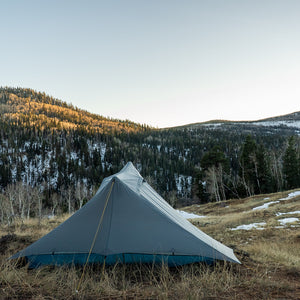
[00:00:51] Tayson: talk to me about a person. So today I thought let's just talk about solo hiking and camping because both me and Brigham have done significant amount of that in the last two and three months, two months. So that's the generalized topic. But the setting that we're going to be talking about this in is we are at. I don't even know. 8,000 feet in the mountains in November. So I checked on my 7300 7300, I was way off.
[00:01:19] Brigham: Plus, you know, plus or minus 50, but we're in the high country of Zion National Park.
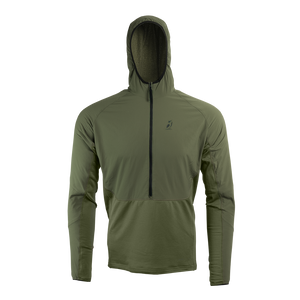
[00:01:24] Tayson: Yes, yes. So we're up here at altitude. It's a little Breezy. We are layered up from puffy, pants to puffy jackets, just had our dinner. The hike in though is amazing, like I we both walked in with thank you. Had an Altitude Hoodie on Altitude Hoodie on and that was it. Yeah, silent. When the sun was out, it was great. I had joggers on, I mean
[00:01:45] Brigham: it was, it was
[00:01:47] Tayson: Very perfect temperatures for the hike in the second that sun started to go down, it started to
[00:01:53] Brigham: pull on crazy. I mean, like, the sun was just like approaching the Horizon and it dropped real fast.
[00:02:00] Tayson: Yeah, yeah. So we got some, some R&D things we've been, you know, be testing that we really wanted to make sure this trip happened this month. And I'd say, I haven't, I haven't fully utilized the pieces, but look at promising, but we'll report more in as we get closer to production on some of those things. That's, I think, we'll know
[00:02:25] Brigham: a lot more in the morning like,
[00:02:27] Tayson: yeah, wake up. We'll have a pretty good. Yeah, between fabrics and design tweaks. There's there's some things to test and to evaluate out here, so Yeah. What if what a trip I On the way up. I was I was joking with with Brigham about how wool socks are just supposed to make your feet warm. Like that's that's the concept right? If you put on wool socks you get warm feet. I was saying like we're driving in the truck and I'm like dude my feet are not warm. They're like they're colder than when I wear my regular. Whatever polyester socks. That I wear every day. You know right now and I'm like here's just such
[00:03:13] Tayson: a bit of a misconception here. So how the feet doing over there? Brigham.
[00:03:20] Brigham: so, my full cushion. Merino wool. Socks are not making my feet warm right now. They're cold. Yeah, they're just cold didn't wasn't exposed to any external moisturizers from just for my own feet moisture and the cold. Yeah. And and also You know, I'm just wearing Trail Runners and my wool socks. And It's cold combination.
[00:03:55] Tayson: Yeah, you could be like me. I've got waterproof like mid-height boots on. and then I put our down booties, I loosen them as Loose as they could go and put my down booties on and I would say I'm quite adequate. That's not warm, but I'm adequate. Um I'm sure I'll warm up the second I get a bag but There's this, there's some funny misconceptions of like in the outdoor industry. That I think are generalized statements that people take too far. Yeah, wool socks being warm and warm. When wet is definitely one of them, right? Like I think that that I don't know, my my perspective of it was like maybe that like added came
[00:04:40] Tayson: from like back when people were I don't know, like when my grandfather had a pair of wool socks, they were Burley and thick, and big, and warm, you know, compared to maybe other socks. But anymore you can make to anything. You make wool crazy thin or crazy thick or fleece or not least or whatever you need it to be and um, so if that saves any of you guys from having freezing-cold feet by just realizing like not all wool socks, are built to be cold weather socks or That they're not warm, when wet. They're Relatively warm when wet. I guess it would be more than the could be. Yeah, warmer than another fabric when
[00:05:22] Tayson: wet. But, you know, as someone who's also dealt with frostbite wearing wool socks. If your wool socks are wet. They're not warm. so cold, there's
[00:05:37] Tayson: on another podcast and the question was posed to me. What changes when you're doing a solo hike versus a hike with friends or other people on Outdoor Vitals team per se mentality wise and what changes preparation-wise? And and I mean it's it's a very interesting thing because I personally really, really enjoy solo trips. I'm not saying that I only ever want to do solo trips by any means. So don't like confusing against
[00:06:20] Brigham: ya. Doing more than the solo human being trips.
[00:06:24] Tayson: Yeah. Like, I've talked to people that were like, that literally have told me like I would never backpack solo. I have no interest in that. Yeah. But what I've seen is actually a lot of people do have interest in that, but I think a lot of people are very nervous to approach it. and, And it's like, an alluring thing. Like it's almost what's interesting to me is solo, backpacking. it doesn't seem like it has, like, like I don't want to like spoil anything here but like I don't have a big like massive difference in preparation or thought or like like I don't know like whether I'm going solo or with someone and I think that
[00:07:11] Tayson: comes from time and number of nights outside or some of those kinds of things. There are differences which are going to get into. But like, yeah, I've definitely talked to people there's like, I'll never do it. I talked to other people that like, almost only solo, backpacking hike, But for me personally, I guess the reasons why I would go solo one. I don't have enough cool friends. I want to come with me too. I really really like. the the experience of isolation occasionally, it doesn't happen that often in life anymore between the noise of Whatever work, family electronics TV you know just fill in the blank, right? So it's it's an interesting thing that you
[00:08:00] Tayson: know I try to seek that out. Like sometimes it's running for an hour a day or a mountain bike ride but sometimes it's like sunup to sundown four days, straight of solo, backpacking and just can't replicate what you get by being in those conditions and situations and not like, Influenced by any outside party. As much as I like to backpack with people, there is an outside influence. For everyone's personality. That's always running for me. It might be like how's everyone doing? Like almost like a like a like a dad-bear approach of like, you know, how’s so-and-so drinking? Is he getting enough electrolytes? And is this guy doing okay or
[00:08:38] Tayson: like or maybe it's just like some other complete Dynamic but there's always I think more processes running in the background when I'm with a group. Whereas when I'm solo um, I get a very serious and real disconnect. With everything else and reconnect with myself, you know? I don't know if that's making a ton of sense. Why do you solo back? Well,
[00:09:03] Brigham: I mean I will say It does make sense. I mean, I think the processing the processor thing you said is a pretty good way of describing it if you think in terms of like, a processor like, in terms of, Old computers. They had a few processes going on, right? and, The solo, the solo trips or just kind of like shutting off. A bunch of those other processes. Doesn't like a process is kind of agnostic. It's not good or bad. Think of that way. It's like it's just processes going on. You're awareness of other people. Whether that's okay, do I need to not bump into the person in front of me or do I need to
[00:09:49] Brigham: walk faster? So the person behind me doesn't bump into me like that's those are constant things that are where your mind is aware of when you're in a group. to the more like, Depth processes of is. So and so keeping Pace or are they having a good time, or are we agreeing on the route, or The you know what, you know, the mileage, the pace and those things. Those are all processes that. So yeah, I think that makes sense, it's good. Good way to describing it. Yeah, I you know why I enjoy going solo. Is pretty similar, please pretty similar to you. It's the complete isolation and disconnection and There's less processes going on. Therefore,
[00:10:39] Brigham: I can feel. more disconnected and kind of more focused if not like completely focused on just what I'm doing where I am and my own thoughts. I really I think the biggest Difference is with being solo. Versus not our mostly like mental and emotional and they're more centered around. Just like the experience, it's a different experience. much of the Aesthetics or the appearance of that trip in the execution of the planning that the gear that the routes like, They would look pretty similar but what's going on inside is a lot different. Not to say that some of those things aren't different as well, but yeah, I you know, I enjoy kind of just being in
[00:11:35] Brigham: my thoughts and having the The the freedom or latitude to. Explore a thought. If that thought is like that, I want to pick up a pace or cover a certain distance or go off the trail or never be on a trail or you know, go see what's over into an another Basin or just things like that, that there's There's no social factors in decision-making. And so I think Yeah, I really enjoy those aspects. Yeah, with when you're solo hiking,
[00:12:15] Tayson: you set your own pace, you set your own tone set, your own expectations, you set your own. Outcome really right? And so like, You have you have a complete control? of what you put in and what you get out and and And that's I think that's unique, right? Because whether you realize they're not, I think every person is a somebody to someone else. And what I mean by that is like, you put me in a group of people I may, I may or may not struggle to be silent and just like, Like not try to initiate a conversation or keep a conversation going, right? Like I may like I doubt that if you're hiking with
[00:13:04] Tayson: me, You're gonna get big gaps of of know, conversation and less, you're doing like whatever like a four or five Day hike with me. And at that point, I'll run out of things to say here. But like there's there's a significant difference when I am. Just me being 100% authentic me because I don't need to be anything to anyone else around me. You're so isolated in the woods hiking, right? Like no one's watching, you know, it's doing anything. So there's a it's an interesting difference in that, like, I don't know, like Sometimes you might just see something like, man, that is super unique like I want to stop and look at that and think about
[00:13:46] Tayson: something. And there's no one else to say one way or the other. There's no one else saying like oh yeah that looks just like this and I've seen that before there's no one to say like Any any other any other source? Right? But there's also this element to me that Is unique in the sense that like that's a kind of a mental emotional side, right? But there's also like this other side that's like the real physical side of that is like to me. It can make you feel a bit more. Alive and in tune consequences do go up, you know like yeah. Unless you're backpacking, a mile from the car or something like that. Like
[00:14:30] Tayson: if you're actually backpacking into Wilderness areas, That you can't just get in and out of in a quick. Hurry consequences, go up. and so that all, so like, plays this different interesting aspect to it, all that that I've learned to enjoy it or if I've always enjoyed it, but like, it's it's intriguing to me enough that like and I do enjoy that aspect because it it pushes me outside of a comfort zone. And when I step outside of a comfort zone at first, yeah, it's uncomfortable, but like when you finish it, it's pretty cool. All right, like
[00:15:07] Brigham: yeah, I'm I, I definitely relate to that. I'd say it adds to the an increased level of the feeling of Adventure, or Removal from. Society or just more disconnect, more remoteness. It's like By being alone, it all I don't know. You know, I couldn't put a number of it's like, Double the distance from the Rope, right? If it's like a Four mile hike. Well, like it's more like an 8 mile hike because you, you know, you're alone. You're just you're just more remote and all, all your, all the, all the consequences are. They all come back to me, right? Like there's nobody other no other no one else's decisions or actions are going to create
[00:15:59] Brigham: consequences. That I have to do with other Moon, my own decisions and actions and so I, I do enjoy that. That's probably one of the things I enjoyed the most is there's a more it's not like a risky and a bad way, but little little more risk, a little more importance to what I do and how I do it. And Yeah, that's it. It's a good.
[00:16:25] Tayson: I mean, you could literally take tonight as an example, I sat down here. I tried to put my stove together on my fuel canister. And wouldn't wouldn't work. The I think is a brand new fuel canister and it was just threaded wrong from the factory. And This situation. I said, hey, bring them when you're done with your stove, like warm up some water so I can have dinner. In a any solo situation. I'll say it was on a 100 mile hike and my stove does not function like that changes. A lot of things. It's just it like the consequence does go up. and it can be simple, things like that that you wouldn't think of it
[00:17:09] Tayson: can be other things that Are very much top of mind and you're aware of but consequence goes up and and with that, what I find is the level of potential focus and attention, you have to give goes up and with focus and attention. Concentrated like that. It that's the Breakaway. Like, that's the, that's the real disconnect it's like, yeah, it's the sense of flow, if you're familiar with that, that terminology of like, finding yourself in a flow State like I can find myself in a flow State. Backpacking. At times it's like start to finish on a day or something like that. Like I can find myself on a flow state where I'm just totally 100%
[00:17:53] Tayson: present to that moment. Say running or mountain biking. Like if I don't pay attention right now, I could wreck and break my shoulder again, right? I could. And so, those like concentrated focuses are what create that that disconnect in the complete focus on being present. And, and that has to kind of come with some level of potential heightened consequences. But anyways, there's a ton of benefits in my opinion of hiking solo, I really think for some people could be a rite of passage for some other people. It could just be something they do regularly
[00:18:27] Brigham: as a source of
[00:18:30] Tayson: of, I don't know, meditation or benefit to them. Hopefully, by now you've got some ideas of why we like to do it. Um, so what do you remember the first time you solo? Backpacked or hiked or camped alone.
[00:18:50] Brigham: Know then yeah. Too long. It's been too long.
[00:18:53] Tayson: That's that's me too. I cannot remember. And I think it's because it for me is a try to pinpoint why. I think it's because it was gradual just like, we would tell anyone that's starting to backpack to be like, all right. Next, you can camp next to your car or Camp. If you hundred yards away from your car and then go a mile away from her car and then go for my I think the same thing kind of happened with me solo, like, I mean funny, funny story, I can remember like in college car, camping solo. I wanted to go out on a hunting trip. Went out and slept in the back of an old Forerunner.
[00:19:28] Tayson: And I'll just never forget this, because I was asleep in the Forerunner for whatever reason. This campsite spooked me a little like, you know, and again because probably because I'm 20 year old kid and camping alone in the woods and it was a little bit new territory and I went to bed, you know, I'm in a car, locked up in a car and I wake up in the middle of the night to my entire car, shaking rocking back and forth. And I, you know, what else do you think like Freaking out. So I'm thinking oh my gosh, there's a bear trying to get into my car or something, you know, and I'm I'm going through
[00:20:06] Tayson: all these things and finally I get a hold of a flashlight, and I shine it out, kind of my tinted back windows and I see this cow Scratching their head on my bumper. And just a cow that was up on the mountain, right? And just just rocking my entire car, right? But I think that's like that whole process though. Candice that's probably. Why is like I started solo camping in my car and I started solo camping. Outside my car or a little ways down, a trail or something. And so, I don't have either. I don't think I have like this big. Yeah, I did this trip. And it was the first time I solo backpack
[00:20:44] Tayson: remember forever. So,
[00:20:47] Brigham: Take that example though. Like whether that was your first one or not, you know, they're like it when I hear that I think that like that, that interesting situation like Created a really. good opportunity to like like a big jump in confidence because What the worst especially like say that was your first time like that, that was your first solo trip, right? Yeah, something. Kind of scary or whatever happened, right? Like something that was disturbing at that best, right? And then to be able to have Quote, gotten through it or it's more of just like that. Oh, it's just some cows. Yeah, so you had a, you know, let's call it a moment of fear
[00:21:39] Brigham: or something. And, and then a realization and then like, okay, Like that, not everybody's going to have that on their first time. Going on a solo trip, whether it's backpacking or car camping and and that's still valuable because let's say you know, there's no exciting event that happens. Well, You know, so many still is going to mentally catalog like hey, I went and not happen, that's great. But it's almost like and something kind of scary happened. And everything was just fine anyway. It's like my give you a little bit of a jump start and turns of that of a progression of You know, the Endeavors somebody takes by themselves.
[00:22:22] Tayson: Yeah. Yeah, it's true. Like you I'm sure you could probably think a different times when different whatever sticks of cracked or animals have come through your campsite or something like that. That and if, and if the same thing happened again, if you've got a base of Situational knowledge experience, whatever that that helps you not get overly freaked out about it, right? Like Right, I said this many times but fear is unknowns, right? And so the more times you go out the less fears, you have the fewer unknowns you have I mean and then the last few years you have but So he needed us to remember our first time, you know, solo backpacking. I think
[00:23:06] Tayson: that the only thing I can remember from is talking to some friends, you know, a decade ago and being like yeah, I'm gonna go Backpack and they're like, well, you don't like nobody in their like, right? I could never do that. And that was like, almost in some ways. I was like, shocker to me. I'm like, what do you mean he could never do that? And no, I never Camp alone. There's no way I could do that and I was like in it. That was like, the first time I was like, oh, it's interesting. I don't realize that like it wasn't just like a Thing people did a progressive thing that people did. Now my
[00:23:41] Tayson: favorite part about solo backpacking is, you know, we just got through the Halloween season. You get you get invites to watch scary movies. and it's a real good excuse to say, hey, I go a little backpacking all the time. I'm not putting scary movie Garbage into my head to to have that come back to me when I'm 10 miles out from a car in the middle of the night and be like, holy crap. Remember The Blair Witch Project? Yeah, that's like, oh whatever. So it's a good excuse, if you sell a backpack, you can always pull that car. Hey, do you sell backpack? All right, but you don't get to say whatever? It's not, I'm
[00:24:21] Tayson: a big scary movie guy, I don't hate them. I I borderline hate them. Okay, so
[00:24:33] Tayson: backpack was so backpacked a long time. What what? So we've just like both of us just came off some different experiences and opportunities to to do some solo backpacking. I just walk me through like, when you start to prepare to go on a solo hunt, I know that for you, it's I'm gonna guess for you. That it's, there's not a massive amount of difference is, but maybe try to One really try to highlight what's different about preparation and execution. But also like with the frame of mind of maybe people listening, haven't done this either so like don't gloss over. Some things that might be second nature. Now but years ago or something, if you can't,
[00:25:23] Tayson: so you're preparing to go on a solo hunt. How do you start preparing? And how do you and then work that
[00:25:27] Brigham: in execution? Yeah, I mean, I just want to make plans of where I'm going and become familiar. you know, with that the looking at digital tools like, different mapping applications and I think, oftentimes all I look at the same thing's bunch of times. Part of that is, it's fun. It gets me excited for it and then the other side is that it, you know, puts to memory just like Geographic. Geospatial recognition. And, and I don't know. I like so it's basically familiarizing myself with where I'm going. How I'm getting there, you know, the route and all those things before I even get there. So That. You know, especially if somebody's not doing this a lot
[00:26:28] Brigham: like that. Will, that will alleviate some unknowns? Build some confidence. and, So definitely do that, you know, gear wise. That doesn't. Nothing really changes. But I do, I guess I will give I'll give you know. like a second thought or you know, a little bit of extra consideration to things that could affect like my safety or health. And not like in a catastrophic way. Just Just give it a little more, a little more attention of. You know. All double. Check my You know. First aid kit, that's more than first aid stuff. Just make sure that I've got the what any medications that I'm gonna that I have, or you know, anything that I would want
[00:27:33] Brigham: to, let's say, I want to deal with a blister, which I hardly ever almost never have to deal with in the wilderness anyway but just because I know that if that does happen, I'm going to myself and I want to be there. I don't want to have to quit because something happens. So it's just like stuff like that and then Just having that in mind that. Hey, I'm my own person, so I can't. Rely on somebody else. For those things. But the, you know the gear, it's self the items. Really don't really don't change. I make sure I have my inReach with me. Make sure I've got, you know, a battery bank so that
[00:28:18] Brigham: I can keep my, you know, my inReach and my phone headlamps charge throughout the whole time. um, that's like in preparation. Mm-hmm. Before I get there
Editor’s note: First-aid, medication, route-familiarity, and self-reliance comments reflect Brigham’s personal November 2024 preparation. They are not a universal readiness test or individualized medical advice.
[00:28:35] Tayson: any like meant by any kind of talked about like walking through what you're about to do and the terrain and the trail. Any other preparation as far as like, you personally are mentally or others. Do you go? Do you involve more people or do you feel like you are?
[00:28:57] Brigham: To an extent. I mean, for me, really, all I need to do is just, you know, Tell my wife where I'm going and my expected timeline. Yeah.
[00:29:11] Brigham: And so I you know, I say things, you know, I'll say okay well I'm going, you know, driving to another state So I go this way. This is kind of the last town that I stop and get gas, and then I'm going Up this this road and starting at this Trailhead. And I'll be in this general area for a week or so, you know, and and that's, that's That's, that's about as best as I can do. Because Although I may have places planned out where I want to spend each night, like it doesn't always end up that way, right? So and then
[00:29:57] Tayson: I yeah, I think that it can be underestimated to the Value of an inreach, right? Like
[00:30:05] Tayson: for solo. especially like, Not next to home, not knowing what kind of cellular signal you're gonna have. an inReach like just I don't want to say it's easy button and but like because I think I also believe in things like redundancies and things but like man, it does make a significant difference. And what's it? There's a lot of exciting things actually developing around that, right? Like I was just released some updates so that some of their newer phones can now potentially text off of a phone to to a satellite. That's a deal, right? That's, that's a redundancy for you as an Apple user, at least like now you have an inReach that is Very trustworthy.
[00:30:59] Tayson: But you also have a cell phone that has a redundancy ability to message out. I don't know. I've listened to some things recently with Start with the starlink. that, that Essentially, it's getting better and better. And that it's not far from cellular ability to sell phone level ability. So, hopefully, we'll have some redundancies there in the future, but I think you both rely. I mean, so for me for preparation. I try to, you know, I'm going to tell someone hey I'm gonna send you at least a preset message every day. Yeah, checking in and just because the preset message at least with the Garmin devices as a free message. And so I'm at least gonna
[00:31:46] Tayson: say, Hey, you know, I have these preset messages in my say, Hey, I'm Everything is going well, I'm right here, right now and then I have another one that says like, I’m at camp right now. Yeah, I think those are those are smart. And they're available to us. And so we may, as you know, we take advantage of those. Well,
[00:32:04] Brigham: it's good about because I like I do the same preset check-in message. Just says, checking in all good here like the nice thing about, like talking that through with whoever before you leave is That if you think about, if something were to go wrong like you can't foresee, you can't even imagine. Like any every scenario that could go wrong but I think it's reasonable that there could be a scenario where Something happened. regardless of how catastrophic or not it is, but you might need some help or it's good for the third party. The other party that is back home. To know that that thing happened. But they can know that. Maybe there's a problem without
[00:32:55] Brigham: you saying that there's a problem. So like for example, the check-in message like you know, I communicate
[00:33:01] Tayson: hey yeah, expect to see a check in message, right?
[00:33:05] Brigham: Say it's once a day well if they don't see that check in message. At least. you know, maybe it's getting into the day that person will be like I have I have I haven't seen check in message. Yeah they'll be prompted to shoot one to you. Yeah. Or me and in that case it's like oh yeah I got sidetracked I was really focused on something and You know, just kind of forgot and then it's a quick. Oh yeah. Sorry, everything's fine, I'm good. but that's like kind of that's like on the good side but like if actually in fact, Maybe Whatever you were separated from your inReach.
[00:33:46] Tayson: Yeah, something bad happens and you're not able to reach out. Yeah,
[00:33:49] Brigham: so it's a it's a very direct tool but also as passive in that, like if you have that communication before the trip, Then like not receiving a check-in. Message is a message in and of itself of some sort. Yeah,
[00:34:06] Tayson: the last thing I did too on the Wind River hike is I Had a couple of people that were watching. The I was doing a tracking on it and use this. I did a four-day trip. And I finished that trip. I still had 30–40% on that Garmin inReach Mini 2. And I was tracking all day. So one charge. Yes. Yeah, and I didn't charge it, I still have the original Mini, so it's
[00:34:35] Brigham: definitely not that. Yeah, it's,
[00:34:37] Tayson: it's impressive. Absolutely. So I was doing, and I think it was only our I haven't I don't know if I remember if its 15-minute or hour-long intervals. That's that's a big difference between those two. But still, yeah. So someone wants to hypothetically have looked at my tracker and they see it not moving for two hours. Or something. And they know what I'm trying to do. They could probably shoot me messages and say, hey, you're getting off schedule. Yeah, you know, are you okay? Or maybe, I don't move for three. Four hours. You know, they can know for sure. Then that there's an issue. So I also use that as an additional built-in safe feature,
[00:35:14] Tayson: but yeah. So there's a lot of ways to use the Garmin inReach or other potential services. I don't even talk to you about this but I my brother had a different satellite GPS provider. I don't know, I guess I probably say this. I don't know that it's I don't know whether it was a problem or not, I guess, but I do know that people are not getting his messages and he was not getting their messages and it became a thing where I ended up having a message on my device. Say things. And but it was with Azalea his ZOLEO, just he had one I don't know, I didn't actually chase that down but it
[00:35:54] Tayson: was I will say what I do know is that ZOLEO gives you like some kind of a significant more amount of messages if you use their app to message off of but once you've like linked to your telephone number to the app, it forces all messages to go into the app. and so you don't just get a text anymore, if you're on the other end of it, I don't know all the ins and outs, but I know that it was He was less than impressed. I was less than impressed, but I've never used it for myself, so I can't fully Express that. So maybe if you've used it as Olio and had a great Usage
[00:36:33] Tayson: of it or maybe understand what might have happened between him. Maybe just drop that in the comments if you're on YouTube, but apart from from messaging devices. For me, as far as on the preparation side. Yeah, I'm trying to tell people where I'm going when I'm expected out. I'll send them typically, I'll send them the the tracks. you know the GPS track of where I'm going to be headed if it's if it's a big thing, if it's not a big thing that it's like, okay, I'll be You know, I'll tell them whatever, here's the pain of where I'm gonna camp that night and you can kind of piece together the rest, but if it's a
[00:37:09] Tayson: three four-day thing, I'll get them, you know, an actual GPS track of of everything. But I have like as far as we're done in Seas, go, I started to because I'm not a big paper map guy. I can I can totally use and utilize a paper map but I just don't have them around. I don't print them out. So for me for redundancy lately. The redundancy has been You know, cell phone. have the Garmin inReach, which I think you can kind of Slightly do some stuff there but then I've been uploading the, the GPX files to my watch and that came in huge in the Wind Rivers because my my mapping app completely failed on
[00:37:56] Tayson: me like it did an update and it didn't work properly or something. And I didn't realize that until I'm already out in the wilderness and so I navigated the entire time off of my watch. Yeah. That could have been a huge deal. It could have been a no deal but thankfully it was a no deal because I had some redundancy built in there.
Editor’s note: Satellite messaging, phone features, tracking, battery life, app behavior, and navigation performance describe the speakers’ November 2024 devices and experiences. Verify current service, coverage, settings, maps, and emergency plans before relying on them.
[00:38:13] Tayson: Yeah.
[00:38:17] Tayson: Much like you. I mean, obviously I think, I think it's like, probably expected that you're going to pay more attention to what's in a first aid kit. You're going to be really thorough about using a check. I am I'm much more thorough about using a checklist specialty when solo because you know, there's there's you don't want to, you don't want to mess or miss something there. I I mean, I'm this way all the time, but like, I want to have multiple sources for a fire starter. I want to have A fire-starting aid Not just a
[00:38:57] Tayson: lighter but like something to light. Yeah. Yeah, Tinder. But man, like when I really peel back a lot of the layers, I'm going solo. Okay, so here's one. I think that there is a little bit of preparation mentally. That I do when I'm solo. Because for me the big the big question mark is still depending on where I'm at like Bears, right? Like bears are probably the most frightening out here. I don't necessarily think about cougars or something about coyotes or anything else but I
[00:39:38] Tayson: Bears. I I personally I will think about them and so me for me it's like I'm going to Research, what kind of bears in the area? And be aware of that. And then I'm gonna take the proper precautions. because and here's why, like I've been in a lot of areas that I'm like No bear problem here. Like there's no sided bear problem. There's no whatever. But I know that when I climb in that tent at the end of the night, if I've properly taking care of my camp, then I can I can uncheck and totally rest easy. There's not a reason for a bear to come to my tent and and have anything to do
[00:40:19] Tayson: with the,
[00:40:19] Brigham: that's a good one. I mean, like, I'm way more worried about a bear when I'm like, anywhere near. Let's say a frequently. Used campsite. Yeah. You know, so, that's, that's kind of another, that's a good one to think about like in planning is where you're going. You know, are there any of those frequently or highly used? routes or areas because like that's most likely where, The Bears will be habituated. You know, likewise, I'm also trying to look at like, you know, you can all the same time. Realize, man, this isn't anywhere close to a place. so, You know. Yeah, it's it's not. It gives some piece of mind at night you know. One going to
[00:41:14] Brigham: bed to just yeah, I thought this through. You know, there isn't, you know, any kind of Campground or campsite within, you know, 10 miles of here. And yeah there's not really any reason for a bear to Target. Yeah. Where I'm sleeping tonight.
[00:41:33] Tayson: Right. Right? And I think if you if you do your parts to keep a bear-clean, bear-safe. Campsite. I can climb into my tent and just I can relax. I can like I can actually relax now if I was to climb into my tent and I mean, there's been times like a 10 mic, oh my gosh, I forgot. I've got candy in the hip-hop in my, you know, like I've already taking, you know, and I gotta like really be like, all right, is this okay? Is this not? Okay. Do I need to go? Take it out because there's times and I would say it's I I honestly and this is probably bad to say,
[00:42:10] Tayson: but if I'm with a group it's easier to be like, that's okay. If I'm solo I'm probably like I'm just gonna sleep better if I take care of this right now. And that's that's probably bad to say. But like, you know, because usually for me it's not even candy, it's like maybe it's sunscreen or toothpaste or something like that. That's like this puts off an odor. You know, to be bear-safe, technically, you should be putting that with your bear hang or however, you're managing your your, your stuff. And, and see, I just, I'm more attentive solo hiking to keeping a cleaner Camp per se and then following what I need to follow for
[00:42:54] Tayson: those for those areas. I think this could come up and maybe it's, maybe it's worth talking about, maybe it's not, but You know, bear spray or sidearm since we're just on this subject in the preparation. Yeah. I like do you do you ever use those? Do you ever like
[00:43:18] Brigham: I've I've never taken bear spray. Anywhere in my life,
[00:43:23] Tayson: really? I don't know about you.
[00:43:25] Brigham: I've handled it. I sprayed it. You know, I have to experiment. It's to realize that it's freaking not impressed.
[00:43:36] Brigham: you know, so it is a it's gonna be a personal decision for each individual but yeah, the bear and I don't want to like really go into it but yeah, I've tested it experimented with it, just meaning like Taking it out, flipping the thing or whatever. And you know, discharging the spray and But that was more of a familiarity thing and wasn't to prove or disprove anything, it was just like okay this is a can of bear spray and this is how it works. I want to see how it works. Incidentally and and this did not sway. my future choice to never use it, but the funny thing up about that time is like, after
[00:44:24] Brigham: I sprayed it, you know, probably a minute went by I turned around and walked the other way like to be out of the spray area and like within a minute, it hit, you know, like the the that that the remaining missed whatever traveled the I don't know, 20 yards or whatever. Back the directions that I was walking away and like It. It got into my my nose and my eyes or whatever happens and it was, it was not like having been sprayed with bear spray but it definitely Immediately irritated my my nose and eyes. Yeah, so that that's just a anecdotal thing but now I I've never never carried. bear spray anywhere ever. um, sometimes
[00:45:17] Brigham: I take a firearm but I don't even. I don't know. It's hard to say what frequency, maybe hat less than half,
[00:45:29] Tayson: but you probably only take it in Grizzly country not not black bear country.
[00:45:36] Brigham: Yeah, yeah solo. Yeah if I'm if I am solo I will take one in Grizzly country and I still may or may not anywhere else. Hmm. You know, I mean that's that's solo.
[00:45:50] Tayson: Yeah. Yeah, I'm very similar to you but to build on that. I think, I think just to There's a lot like it bear. Spray obviously has its place and There's tests out there and there's studies out there and there's usage out there. Like you can prove it works like That's not why you're not using it, right. I think that the difference though is like, For. maybe a lot of people, it is the better safer option, but for you, You've? You've got a lot of experience with Firearms, you have real world. Experience with Firearms, high stress situation with firearms. And so like it makes sense. And and I think that's the big thing is if my,
[00:46:42] Tayson: my thing would be if you're taking a firearm over bear spray You better dang, well, know how you perform Under Pressure. Yeah, and be very familiar equipment and be very otherwise you're better off with a point-and-shoot. Can that is not you don't miss per se with you probably can like, but it's like it's Cloud. It's not projectile flying through the air right? Yeah. Different situations. So because of that, I think it's totally justified because there's gonna, you know, there's people out there. They have a strong opinion, one way or the other. And I don't think it's there. Is there shouldn't be a strong opinion where the other should be very much individualistic. In my opinion
[00:47:25] Tayson: based off of your abilities, your opinions. Your Experience is your, you know, those kinds of things, that's where I stand with it and very reasonable. I don't say it's like,
[00:47:41] Brigham: The, the spray versus the the gun thing is. I've I've never. I would never. I think it'd be safe to say that I've never taken a firearm with me in lieu of spray like instead of spray like Okay, the scenario where I take nothing is the same as not the scenario. I don't take a firearm is the same scenario. I wouldn't take spray. You know, I mean like yeah, the decision process is the same. Yeah, for me.
[00:48:22] Tayson: Yeah, and I would say like I don't last last little tiny excerpt on. This is like, For me it's like it is your choice. Hopefully if you're doing everything right, you never have an encounter, right? Like for instance on that Wind River hike when I was hiking through some of the thicker areas like thicker treat or brushed I would just and I'm solo right? So it's not like I can talk to someone to to make noise. Yeah. So I take my phone and I turn on music or something like that to create some noise or I'd I take my trekking poles. And this is, this might be silly, this might not, I don't know, it's
[00:48:59] Tayson: just something I do. But I would like take my trekking poles and I'd be sure to instead of just setting them in the dirt. I sit on top of rocks so they make a little quicker and noise. Yeah. And because what I'm trying to do is just make some noise as I'm going to Brushy areas, because that's, that's a potential risk. When you're, when you're solo, right? Is that you sneak up on a Bear, right? Especially talking Grizzlies or something, right? But so there's some little things like that I'll do but yeah, for me like, I'm gonna sleep better at night. And with my experience life experience and everything like that. With a sidearm in
[00:49:37] Tayson: Grizzly country, then I am going to with with bear spray and so like if I made the wrong choice will, that's just on me, you know? But I am confident in that and I'm good with that, right? But I must the same with you. I I pretty much don't take bear spray or worried. Or do much other than keep a very clean camp and stuff like that. If I'm in black bear country, I would say it's 100% of the time but it's a majority, you know, another thing that like
Editor’s note: The bear-safety, bear-spray, firearm, campsite, and noise discussion is personal historical practice, not universal wildlife or defense guidance. Current land-manager rules, species, food-storage requirements, training, and conditions should govern each trip.
[00:50:12] Brigham: I didn't have any control of or I don't think anybody else would have control of either, but it's certainly, a dispels of, or Reduces a lot of that. Fear or discomfort is like actually seeing bears in the mountains, like, yeah. Like
[00:50:31] Brigham: some of the coolest experiences I've ever had was Watching bears like close proximity. That did not know I was there. You know what I mean? Okay, watching them, like just knows around looking for bugs and grubs and worms and ants. You know, just curiously, like ripping open logs and like they had no idea I was there but I, you know, I could hear him breathing. See, watch him, you know, see, you know, you could hear their claws digging into a stump or a log and like or just, you know, just kind of passing by them. Totally accidentally, you know, like one year that the first bear I ever saw was. Up and Idaho. We've been
[00:51:21] Brigham: out on a kind of a Day hike, from where we were, camped up to some higher lakes and did some fishing and Hike back. And when I was the first one back into camp and there was a bear just standing there. In your camp in the camp. Oh, he was probably like, I guess you couldn't say like in the camp but 20 yards. just, Call it like outside the established area. He was probably 15-20 yards from my tent.
[00:51:49] Tayson: Do you think he was there because of trying to be a little
[00:51:53] Brigham: bit in the camp for sure because My, my dad had this. Like those those water bottles, they Sports squirt bottles, you know? Yeah and it was in a red Like insulated. Case, you know, and it had like a lanyard on it and he had just hung that on a tree branch. And the Bear. Like had bitten the bottle of the bottle. There were four holes. canine holes. Two above the bottle rim, and two below the bottom rim. And it just like did a curiosity bite and like, so once I like, you know, saw the bear and It didn't run away. It was just like slowly walking away and like looked back at me one time
[00:52:50] Brigham: and I just watched it. it went away and So I was just kind of way to charge and eat me
[00:52:57] Tayson: the second. I see Barry, you know, like
[00:53:00] Brigham: Well, and that's kind of, that's kind of what I'm saying. Is like realizing that That was one of those moments kind of like the cow bumping. Your car were like Supposedly, maybe something that could be scary. In that moment realize like, hey a bearer sighting is not. Like an attack. Yeah. Like yeah. Bear for the presence of a bear does not equal bear. Attack or bear harm. Like yeah. I just like oh what an interesting kind of cool situation like kind of raise the hair on the back of my neck a little bit. So I looked around for, you know, just to see what the Bear Tracks looked like and then I noticed the water
[00:53:43] Brigham: bottle was dripping from the bottle was like no way. So I like went up and looked at all the holes and they're still water dripping out of the holes from when it bit the bottle and yeah. Anyway but like things like that. Just seeing you know seeing relaxes. Yeah, for that thing. Is it just you? You your brain remembers that and you realize, okay. It's It's not always a bad thing, it's not necessarily a problem or a huge threat like yeah, those things help can't control them. But
[00:54:13] Tayson: well, I like it does help because people maybe the only bear they've ever seen is like in a zoo and A bear can get pretty freaking huge in his. Yeah,
[00:54:25] Brigham: yes. I've seen have been
[00:54:26] Tayson: freaking huge right? And and so like for me and I didn't I never intended this episode to just go down a bear rabbit hole here but like it's interesting for me. I had seen trying to think of this the timeline, but I'm pretty sure like some of the first bear I'd Really seen or paid attention to was. I went to like bear world and I had a hoe and you're driving around your scene like really old, massive captive black bears and you're like those are pretty good size bears. And then I went to Alaska and I literally bumped into a Grizzly at 10 yards and the thing stood up on its hind legs and
[00:55:05] Tayson: it was it was huge. It was a huge bear. And then fast forward a few years, down the road and I bump into a black bear. You know. I'm literally standing over a pile of fish guts and this black bear comes walking right into me in a camp. So you know it's like Habituated bear here like he's literally anyways. But yeah. Like seeing him you're like okay. He is. a less than a third of the size of the grizzly I've seen and, like, or this this last fall, I did, I observed, a bear literally walk Within 20 yards. Of an elk herd. You know you got like half a dozen cow elk. In that herd in this
[00:55:52] Tayson: bear, just walked past him, you know, it does something to the side to be like, okay. One I can see how big the bear is compared to the elk? Yeah, two. I can see them. Just like they're just, they have, they don't care about each other out. The elk didn't care about the bear didn’t care about the elk and I was like what the freak just happened. Yeah
[00:56:09] Brigham: bears bears don't just walk around seeing red like meeting to attack. Every living thing you know and it's those yeah those are good experience to just like Tone down. Yeah, the the irrational thoughts that that are there. There's just conditioned from Social. Yeah,
[00:56:32] Tayson: Hollywood per se, you know, or something? so case in point, I find it, if I keep a team clean Camp, I'm better if I'm angry, I take precautions for grizzly country and I am pretty good at being able to climb in that tent and mentally, whatever wall up and just be like, I'm in My Sanctuary, like I climb in my tent frequently and I just feel at home. Yeah. And there's nothing else to that then time and experience. Yeah. Right. Like, I don't know how many nights I spent in a Fortius one-person tent or a version or a million different versions of the Fortius one-person tent like I climbing that thing and it
[00:57:16] Tayson: feels like my cabin away from home and it's and and like it's it's very interesting. I've noted that a handful of times over the years that I climb in and I feel very comfortable and safe in it home and but that can only come from me spending a lot of nights in that thing. So back to just preparation or execution of anything solo, and I have not been watching time but it's good conversation. Yeah.
Editor’s note: These wildlife encounters and feelings of comfort in a tent are personal anecdotes. Familiarity and individual risk tolerance do not remove wildlife, campsite, or environmental hazards.
[00:57:46] Tayson: Yeah. I don't know what we'd be doing a fortune. So,
[00:57:49] Brigham: yes, sir enjoying this, if not turn up the speed if not
[00:57:52] Tayson: next Yeah, other preparation things for solo trips. I, Think the answer that I want to give but I know it's not like the sexy answer. Like that's not like the you do this and all your problems are solved. It's you know, it's just the, the more you backpack The less you will. Care, you'll be, you'll become almost agnostic to Solo versus group backpacking. Yeah. There's some difference is like, they're all always be some different. They're always should be some different as, right? But like in preparation or mindset or like, you know, being maybe a little more alert, like, I might, for instance, I might climb in that tent and put in some noise, canceling headphones
[00:58:46] Tayson: tonight and Zonk out. I probably wouldn't do that if I was solo. I probably Keep things out of my ears or use like the bone conductive headphones or something. If I want to listen to something or just you just turn your phone on. You can put it next to your head on very low volume, so that my ears can stay open but if I'm in a group, like, there's always gonna be things like that. But the biggest thing is, The more you go, the more agnostic, you'll become to solo backpacking because you'll feel comfortable with the entire situation.
[00:59:16] Brigham: The interesting thing about that is It like numbs away. what I would say is like, What I think most people would categorize as fears. But at the same time, like for me, it heightens all my senses and awareness. Of like that natural environment. Not. Not a paranoid thing but it's like when you're like maybe shut off some of those other processes, like people like when you stop worrying about XYZ because you've done it and you're familiar. it's like, It's like when you get in your tent like you're in that tent, it feels that way because it's familiar and there's there's a mental habituation of like being able to relax once you're in there. So once
[01:00:11] Brigham: the more time you spend out in the mountains even with a group, That starts to happen like you start to kind of shut off some of those other processes of discomfort to where when you go solo it doesn't feel any different and so when those processes are kind of shut off, you can actually kind of actuate, some new processes that that makes it more enjoyable for me where I I'm like I've become really in tune with that place, you know. you start to notice Birds making noises in certain places or you, you know, like, You start to like want to hear coyotes howling in the distance or wolves like that's incredible experience. So yeah.
[01:00:59] Tayson: It's so interesting and they're like, you bring up wolves. What two things he talked about, like, climbing in your tent and I totally had, like, a baby blanket moment of me. Like, and that, that specific 15-degree top quilt that's in that tent right now. Next to me, like I climb in that sucker and it's it's feels like I'm coming home right at. Like it's like and it just kind of reminded me of like a baby blanket, right? Like a baby blanket like people get attached to it and there's like a I don't think like, obviously it's a different attachment when you're a baby versus adult. But like, There's a comfort. There's a comfort there.
[01:01:37] Tayson: But like, even even you bring up wolves, like I've done. A whole lot, less, backpacking, and wolf country and what's. So interesting to me is living in Utah and talking with you, Utahns, I have heard so many where I feel like is someone crazy and ridiculous things about wolves. That's kind of my blocking. Yeah. Like mind boggling. like, I have literally heard some stories that I'm like, If that's true, that's terrifying. But it'd be true, right? Like, you know, he's like and it's hard to know what to believe until you are in those situations for yourself just like reach your own truth in some way. Yeah,
[01:02:23] Brigham: that's not worth. Even trying to believe it or disbelieve it. It's almost it's just better. Just discard it. And Just go have your experience. Yeah, someday it might be in the mountains. You might hear wolves out there and you'll be like, wow. That was, that was really cool. Yeah, you know, and now you're on a much more positive mindset than Yeah. Something speculating about from a third or fourth, or fifth person story that Dude, the story that I'm like recalling to like