[00:00:00] Tayson: Everybody welcome back to another episode of Ask OV. We've got Brigham back on the podcast to go through listener questions as well as just catch up on. What's been going on around the office. So we do have a pile of questions that we can work through today. We do try to keep these two about 30 minutes so they can be shorter more impactful. And this gives you guys a direct access line to really the two guys on the team that are making. And I don't know if I should say using the product the most, but more or less that's part of our roles here. So happy to answer those. If you have questions, be sure
[00:00:37] Tayson: to write them. In fact, if you have questions during this podcast, all you have to do is contact Outdoor Vitals support or go on to our website, open up that chat and ask to submit a question. You should be able to get a question over to us and we can answer them. We do have more questions that come in and we have time for answers, so we do vet them. So, thoughtful questions, more, you know, important questions. Questions that also apply to more people. Like, if you ask us very, very specific question. They might not make it on the podcast just because they're not gonna be applicable to the other thousands of people listening to this.
[00:01:12] Tayson: So If?
[00:01:15] Tayson: You have a question now, be sure to write them in.
Editor’s note: This support-submission workflow was described in July 2025 and is not current support or site-access guidance.
[00:01:17] Tayson: Before we jump in to some of these questions. Let's take a minute, I guess just to catch up on how things have been. For those of you that are joining or participating in, I should say with the OV100, it's really heating up. It's time to for people to head out on trips really soon. We've seen people kind of doing their similar trips. Doing a lot of training doing shake out hikes and it's been fun to see. I know just in this last week I kind of realized just how close our 100-miler is in the Colorado Trail and I'm trying to really ramp up some mileage. The next couple of weeks. Was going to
[00:01:56] Tayson: be hard because we got Fourth of July next week. We got time out of the office and just other things going on. So this week, I've been putting in a lot more miles, but a lot more miles is relative to like, I probably put in like three miles last week or something really low. So yeah, but then been logging that and we've had, we have one new guy on the team. That wants to, he's not new, but new to 100 Mile Challenge that's gonna run out. So, he went out and did his shakedown trip—about 43 or 44 miles in two days and you met up with him and hiked at them. How was how
[00:02:35] Tayson: did that go? What's your predictions on? How that went
[00:02:39] Brigham: Oh, it was fine. Yeah, I he'll I think he'll be just fine. he didn't show any signs of having a hard time with the mileage. I don't even know what the mileage was. I just parked and then hiked up to a pass where he was gonna come over and met up with them. And then I just said, you know, we just followed the route that he had um,
[00:03:03] Tayson: So, our hike, this is gonna be 135 miles, so which is longer than we've done on previous company 100 milers. by a pretty significant margin and like, 30% farther. So, we've added another day to our itinerary, but how are you feeling about? The. What's to come in a couple weeks for you and your fitness or your preparations?
[00:03:27] Brigham: Yeah. So fine about it. It's I mean, to me, it's like an additional day of hiking, I think our daily mileage has to be a little bit longer than than normal or the last couple times, but Yeah, I think. I think it'll be fine. I feel fine about it.
[00:03:48] Tayson: I think you’re the most consistent and steady with training of the least amount of Ebbs and flows around the office. I'm feeling a little bit this year just because I haven't signed up for as many or for like an ultra or anything like that and so it gets slightly deprioritized the times to be logging quite as many miles there's a look around, some of the other guys in the office. It kind of seems I think something's happening where when we first started doing these 100-milers, we were all a lot more nervous about them and like so we trained more We prepared more and it was like really top of Mind through the whole office. and
[00:04:28] Tayson: then you do one and then you do another and you get a few under your belt and you learn more like we learn how to fuel better and we learn how to pack better and all those things but I think there's an element of I've done it before and not needing to quite train to the same level, not the right thing. I think it's I think that in some ways it may catch up to, to, some of us but that's like, my prediction is, like, you look like Hayden. I think he came back from that trip when I first talked to him about doing a shake down. is like, kind of like eyes big like
[00:05:02] Tayson: that was really hard and like you know, just kind of shocked by, and I think he's nervous now for, for the, for the OV100 hike, but then you talk to someone like Derek and it's like yeah, I'll make it work, I'll make it work, you know but he's done a few of them and I just wonder how the preparation I think the preparation changes the more comfortable you get with it but no matter how you spin it. you get out there and you're doing 20 to 25 miles a day and it it's not, it's never easy. Yeah, It just slowly drains you as the trip goes on altitude all of it? Just compounds a
[00:05:40] Tayson: little bit.
[00:05:41] Brigham: Yeah, I I feel like I like, I don't know. I already answered a question about me like I feel fine and So No Reservations whatsoever but I feel like I am more optimistic. For everyone else in the office then they are and they are for themselves. Like I don't know. This is what it's like where we know I really think you know Everybody's gonna be fine. Like it's never, I mean, it's funny because there have been people in the group that have had to leave the hike but I would I, I would say that it was really a matter of They just weren't even committed at the beginning, no matter what they said. It
[00:06:23] Brigham: just weren't committed and that it just kind of works out that way. Like when you don't go into something with the expectation that you're going to finish, probably not going to finish if you're not committed. But yeah, I'm way more optimistic, you know? Yeah, for as a proxy for everyone else, that everybody would be fine. They might be more tired than than normal, but I, I really don't foresee any issue of whether or not someone going will actually finish or not, right?
[00:06:55] Tayson: And I,
[00:06:56] Tayson: I would to clarify that that's kind of a thought I had when we were doing the R5 attempt, when we did R5, was like it was like I could tell how much and this is like something else thinking about mixing up here but like Because I'm not in the best shape. I've been in you compare yourself to the best of your past, I guess you could say. And so because last year I was training harder, when we went into the Grand Canyon, I could feel that for sure. And I'm comparing myself specifically to that. So then as I was hiking through the Grand Canyon I'm going man. If I don't start training a
[00:07:33] Tayson: lot harder this 100-miler—not it's not that it won't be doable but it's going to hurt more if that makes sense. Yeah, so I think that's what I'm anticipating a little bit. There's more that. But I do want to Circle back to the hurt aspect because I think shoes are top of mind for me. And we go have a few questions about shoes. Yeah. Um, So yeah, that's that's been really good. That's some of the
Editor’s note: The OV100, 135-mile Colorado Trail itinerary, timing, daily mileage, and training comments describe plans and readiness as discussed in July 2025. They are personal preparation accounts, not a current route plan, access report, or assurance that a participant will finish.
[00:07:57] Tayson: stuff that's been going around around here. The team also did another hike, an overnight hike in May, which was really good. It was May. and That mountain area is now on fire, and it's burned up a lot of area, we were hiking in, which is in, really, really sad to see. I mean, it's just decimated some very beautiful, very gorgeous country, and actually, in the place, I ran my 100-miler last year, also, burned that course to the ground. So, Utah's Southern Utah's been on fire. And it's been Really sad to see. I mean the amount of time it takes to regrow those old forests is just so long and yeah,
[00:08:40] Tayson: you don't even know if you'll really ever see it'd be back to normal in your lifetime. So pretty weird to think about that. It's like, maybe my, maybe my kids. Or that, maybe my grandkids will see it. Like Something similar to what we saw a month ago, you know, before the fires. But it's it's kind of sad things to think about. Just like, yeah, landscape completely changing. I mean, there's a natural process to things, but yeah, there was, there was
Editor’s note: The Southern Utah fire and affected trail/course comments describe conditions the hosts had recently observed in July 2025. Before travel, check current closures, fire restrictions, weather, route conditions, navigation needs, and land-manager guidance.
[00:09:07] Tayson: Perfect conditions. It was like if you walked outside in Southern Utah, it was like you were getting blown with a blow dryer—hot, dry air. Just Just anyways and it lit the whole place on fire for sure. But other than that, we had our Founders Day Sale. It was awesome. Appreciate all you guys the shop on that it was really impressive. We've just we've had a lot of a lot of momentum going this year for OV and excited about that. So appreciate them. That's that's the joined our Founders sell at 11 years now and business. So Pretty, pretty wild. It was really cool across 10 years off last year now. It's like, I don't know. I think
[00:09:46] Tayson: every Year's gonna be more shocking to me. I don't know, like you just I think on day one. You never think it's gonna go that far, but it's been really cool to see. And we've got a lot of awesome plans to come and just
Editor’s note: The Founders Day sale, company momentum, and future plans are a July 2025 historical snapshot, not a current promotion, company-status claim, or product commitment.
[00:10:00] Tayson: Excited for the next 11 years. So, Okay, well, let's jump into some listener questions. The real reason you guys are here. And I want to start it off, kind of coming back to some of the the feet and shoe items here. So Daniel asked whenever you talk about your more extreme hikes You talk. You talk about your feet quite often. It makes sense, that your feet are doing much of the work. Do you plan for sock changes mid-hike, or do you Any of you maybe bring more socks than usual since they don't weigh that much or take up that much space.
[00:10:38] Tayson: So how do you do socks? Bring them. Do you change
[00:10:42] Brigham: know? I don't I start the hike meaning like day one. Let's say it's a five-day. Five-day 100 mile hike. Yeah, I just start day one with a pair of socks and usually after And I wear those socks all day. I don't change them. I only pack one extra pair of socks that I sleep in at night. And then after the second or third night, I will switch to that sock being my hiking sock. And I wear those constantly so I will. Yeah, I will. If I wear socks at night, it's that second pair. Sometimes I don't wear socks at night. But yeah, the only extra pairs. I only have one extra pair of socks in my pack
[00:11:23] Brigham: at any given time. I don't change socks during the day. For me, it’s proven to have no issues whatsoever.
[00:11:34] Tayson: Yeah, pretty simple. Yeah, I I did the exact same thing actually even the like halfway through rotation, which I don't think we've ever talked about. That's I think about halfway through all do the same thing just because I feel like sometimes my socks can get a little more stretched out or get more dirt on them or something like that. So yeah, I like to switch my socks at the end of the day into a sleeping set of socks because they're completely dry. They don't have any moisture from your feet in them. Maybe it also gives you good chance to check your feet when you're taking those off and see if you have any ongoing problems
[00:12:07] Tayson: or things you need to take care of like a blister. but I would say, Socks are important for sure. And you know we typically talk about investing and better socks like Darn Tough socks or things, things of that caliber a lot of the time. Like you don't want to show up in cotton socks or things like that. Typically, you're going to want something a little more technical. But I would say like once you kind of check that box, it's I would say shoes themselves a lot more important and Specifically. If you were to have a waterproof breathable you know like a GORE-TEX pair of shoes that changes everything they trap in so much more heat
[00:12:51] Tayson: and so much more moisture than in that case I would be rotating socks if I was hiking but like hiking all day you know if I'm doing here and there if I'm hiking say a couple hours and stopping I'm gonna just take my feet out of my boots or shoes that are waterproof breathable. And let them air out and essentially just dry out is the biggest thing there and then I continue to see the same pair of socks most of the time but if you don't have time to let them air and dry out long enough, then you could rotate socks, that that's how I would have it but that being said, I am very
[00:13:24] Tayson: against waterproof breathables unless they are really required and necessary. So later Seasons stuff when you're walking in snow some some like hunting that all do all use them just because I'm walking in you know, early mornings not on Trails. So I'm getting a lot of dew and stuff like that on my feet. Yeah, big a big fan of not using something like that and if when you do that you evaporate you just you can you can evacuate so much heat out of your feet that I feel like you get a lot less potential for blisters. So many blisters come from heat and rubbing right? But you can have eliminate one of those that
[00:14:03] Tayson: helps a lot.
Editor’s note: Sock rotation, waterproof footwear, drying, and blister comments are the hosts’ personal experience. Test footwear and foot-care routines before long trips, monitor developing problems, and seek appropriate care for injury or persistent symptoms.
[00:14:03] Brigham: Yeah, I mean another one thing I can just say about Footwear in general, whether that's the shoe boot shoe slash boot or the sock is If there's something. to be worth investing or just committing the money to your feet are so much more worth it than a lot of other pieces of gear that you can own. Like the guy said that's those are your tires that's that is. What is propelling you? so, Don't just get, you know, one person or one. If you hear a recommendation that you hear from everyone, like yeah it's probably very well vetted but vet them for yourself, like take that. Spend the money. Get that sock and try it if it
[00:14:48] Brigham: works well for you great. If it doesn't, don't feel so committed to that $39 pair that you are not willing to try something else because that's something else might just work better for you. Same thing with shoes. Shoes are expensive. And if you want to not have foot problems, it might mean that you spend the chunk of money on shoes that don't work out for you, but I'd much rather do that than spend, you know, money on something that is not going to affect. How well or how effectively I've moved down a trail. So like Your sock styled in. and I would just say commit to Whatever it takes to finding the right pair of
[00:15:30] Brigham: shoes. And if you feel like you had to waste the money then, I feel like it's not a waste of money if you get a pair of shoes, it doesn't work after two hikes and you have to throw them away, or give them away and get another pair. Because to me that's an investment in myself. And this is a, this is a discretionary activity that I'm doing. It's not like, you know, there's some requirement to just get one pair of shoes and suffer, whatever consequences, the shoes issue may bring about. I mean, so
[00:15:56] Tayson: you bring up a lot of points there, and to further the analogy, right? Like if you have this car and you've got tires, like a lot of people are gonna spend money on making the car faster, but using like stock tires, right? And like in like that's not really going to translate into say more speed or more performance. Really. I think that, you know, tires have a bigger performance aspect almost anything. So same thing with shoes if you have crappy shoes, And to to go right into this guy's question is like when you guys run your long hike, you talk about your feet all the time. Well it's like yeah we do because I would say
[00:16:30] Tayson: foot pain—foot pain. It's probably the most common subject on trail people aren't usually saying, like, oh my gosh, my, my knee hurts nearly as much as my feet are so tender. Oh man, my feet are bugging. I got a blister forming. Yeah, and so and I would say investing in that versus you know, another jacket or a camp chair or you know, these things that are just non-essential compared to the shoes and then to bring those point two You gotta find a lot of advice on the outs out there about what shoes work for people on shoes. Don't For instance, tons of people use Altra shoes. And those work for people. Absolutely but
[00:17:10] Tayson: they don't work for everyone. And so if you don't actually test them, you won't know until you're out on your hike and maybe they are creating problems for you. So, like like that, testing it, it's well worth your time. Like Brigham said, you know, you can always sell. I've seen people resell shoes, give them away, there's options. But and I would say, but just like anything, the more you become in tune with your feet I would say the faster. You can put a pair of shoes on and say this is probably not going to work as a gonna work and then maybe you don't have to actually wear them and use them and you
[00:17:47] Tayson: could return them or try them on in a store and figure those things out the um, To. Yeah, there's definitely different and unfortunately, there's differences in model years. So, like the next question from Josh says,
[00:18:00] Tayson: Something one. Yeah. Well, it's got two questions. I'm sorry. This one if you'd like. basically saying that you guys have touched have hiked and talked about the Hoka Speedgoats in the past, and he's wondering what our current experiences with the Hoka Speedgoats because Even model year after model year, there's been some changes. I feel like everyone in the office that had the Hoka Speedgoat 4s, loved them. Then it jumped to the fives and a few guys said, I no longer love the Speedgoats. I think you were one of my
[00:18:35] Brigham: I stopped using them. After I got the fives. I mean, I, I put over 100 miles on them so it's not like I didn't give them a fair shake. But yeah, I was done with them after that they didn't. I just didn't work well for me. So
[00:18:48] Tayson: yeah, I was able to continue to use the five. I bought the sixes And I've put a little less than 100 miles on them. And I'm not totally sold on them. They're probably going to be the ones that I end up taking on the 100-miler and they'll be adequate but they do change model year to model year and so being aware of that is also something to know and Yeah, I mean like again I would say though for me. I'm a little bit different. I might go through more shoes and test more shoes than the average Joe. I probably could have put the sixes on and returned them. I probably would have gone up the
[00:19:28] Tayson: wide model instead of the narrow. I feel like overall they got more narrow But I was in a little bit of a time crunch and I knew they weren't going to be like a big problem, so I did wear the shoes and have put miles on and they're they're similar to my fives, but for other people they might have put those on and just don't instantly. Yeah. If I'm gonna, spend 150 bucks on a pair of shoes and that's a lot of money to me. I'm actually gonna return these. So I all that being said, I think that you can learn how to tell a good shoe from a not-good shoe with time and experience
[00:19:58] Tayson: for sure.
[00:20:00] Tayson: Even things like how much you can handle the drops in the shoes. So, you'll, if you start looking around on all running shoes, Trail Runners, you'll see heel-to-toe drops and that's gonna range anywhere, from on the lower end, three, four millimeter drops to on the higher end, almost 10 millimeter drops 9 ish and Ultras. You know, there's a zero, that's like where they get so much of their information all. So quite a few of the Topo Athletic or these are. Now, they're not 0. They're just they have some that are
[00:20:33] Brigham: 0 offset and some that have some drop.
[00:20:36] Tayson: Yeah, so like, finding that out like, I know, for me as a zero drop is harder on my Achilles and feet and can kind of put more stress on, like, plantar fasciitis. I've had in the past. So I don't go all the way to a zero, but something in the four to six range works really well. When I get above a six, I also don't love that too much. I start hitting my heel a lot harder, so, Those are the kinds of things. You start to learn over time, as you pay attention to some of these, but I guess while we're on the topic issues, any shoes that you've been happy with or are
[00:21:10] Tayson: currently interested in,
Editor’s note: The Hoka Speedgoat, Altra, Topo, heel-to-toe drop, price, mileage, fit, Achilles, and plantar-fasciitis comments reflect models and personal experience discussed in July 2025. Models, specifications, prices, and availability can change; this is not medical guidance.
[00:21:14] Brigham: Um, I mean the shoes I using now, I'm let's say, I'm happy with them, they're not the best shoe I've used, but the best you have used is discontinued. So I mean just like you mentioned it's like it's crazy. Yeah, something all its shoe. Shoes have to repeat running for like two years. Two years in that model is gone and that and like you said the next model totally different so but yeah, so I'm using a La Sportiva Prodigio that I, It works really well for me, it, like I said, it's not the the best one I've used but it's it's got a really good fit. It's very lightweight. Good cushion. you know, one thing
[00:21:54] Tayson: I was going to
[00:21:55] Brigham: you, I thought when you were talking about like goretex or waterproof is the trade-off, there is From the most part you're going to get dirtier feet. So doing some foot maintenance every day at the end of the, like I said I'll sometimes like go barefoot or change socks but I'm I'm wiping dirt off my feet every night because the dirt comes in those shoes, you know, the breathable shoes and I feel like it's a I'm okay with that trade-off for the, for the, for the, the breathability of the Comfort day after day. But yeah, those La Sportivas are good. And then yeah,
[00:22:32] Brigham: it was a pair of Sauconys that I have. I wear Altras day to day. And I have another pair that I'll do some I'd say milder hikes in, but anything really long distance. I'm, I've been using the La Sportivas so
[00:22:45] Tayson: it is interesting. I've also been able to wear Altras for daily wear and really enjoy them but I can't whenever I try to run in them or hike in them, it doesn't work for me. Um, so that's, I don't know. I find that interesting. I don't know why there's just something um, I've been interested in more of the, the Topo Athletic shoes. So I have tested a few there. Well, I've tested their mid Boot and I tried on a pair, the other day, that'll probably be the next pair of shoes. I buy as something from Topo Athletic. I think they've got some pretty interesting models. What are you? What do you look for or
[00:23:23] Tayson: what? Okay, let's start with this. When you put on the shoe what makes you know that it's not going
[00:23:27] Brigham: to work for you. If it doesn't feel precise, I have like, I don't know if I've just got really sensitive nerves, but it's, it's like anywhere. It's like, if it's a hat, a shirt or pair of pants or socks, or shoes, like, my nerves like send alarms, like if they're not, if they don't feel like my foot's being hugged, Or just like, I'm putting on a form-fitting glove. Like, it sends these red flag alarms to my head,
[00:23:55] Tayson: and you don't want a big sloppy. I don't know. Any slop to.
[00:23:57] Brigham: I don't want any slop, I don't have a wide foot; I don't have a narrow foot, I'd say pretty. Middle-of-the-road foot volume. But yeah I I look for that as soon as I put it in that feeling of a precise fit without being like restrictive. and then, General things. Like I I think I like Not an extremely, high amount of cushion. But a higher amount of cushion, you know, something above 30 millimeters in the heel and above probably 26, or 27 millimeters in the, in the forefoot. I like to have be at with a drop like six millimeters or less. So the shoes I've like the most of them in either a four or five
[00:24:45] Brigham: or six millimeter. Drop from the heel. I generally prefer them to be, I'm not necessarily looking for the lightest shoe possible, but I do take that into consideration something that's got like a bunch of stitching and pieces and parts to it. I try to avoid just for like durability, you know, I don't want seams rip blowing out on, you know, on a hike but I do look for good good traction. But I can. Yeah, I can tell pretty quickly as soon as I put my foot in, if I'm gonna if I'm optimistic about you, yeah.
[00:25:26] Tayson: Having those are all all solid points for sure. What actually made me think of two is how much you can. You can adjust a shoe, a decent amount depending on the shoe. That's why I don't necessarily love the Salomon pull ones, or the Quicklace system, because with lacing, you can also do a decent amount. And I was just checking on my phone to make to remember the name of this this video, but it actually the It's like a second video we produce, so it's just so it'll be the second or third one back on on my YouTube channel. One of the points in there from the “Watch This Before Hiking the Grand Canyon” was about
[00:26:04] Tayson: doing a heel lock with your shoe. I run a heel lock all the time with my Hokas and That really just helps you what it helped, what? I feel like it helps me do, is it helps me when I'm going downhill? I don't want to have my shoe overly tight over the top; a tight shoe really bothers the top of my foot and so I don't run it that tight but then when I'm going downhill with a heel lock it does keep my foot farther back on my shoe instead of jamming up and jamming my toes which is where you see a lot of people where they get his massive blisters on their their toes. There's
[00:26:41] Tayson: usually from from their foot sliding all the way to the end of their shoe. So you can also invest the lacing techniques such as a heel lock you can go look at that in that video and that may that may do more for you than you. Think you may be blaming a shoe and switch off your lacing May significantly help you as well. So um,
[00:27:00] Tayson: Okay, I'm gonna back up just a little bit because one of the other questions that we got was, what do you think about bamboo socks and bamboo Fabrics in general? Well, I mean to be a
Editor’s note: Heel-lock lacing and fit comments are practical personal experience, not a guarantee against toe injury or blisters. Test lacing and shoes under realistic mileage and terrain before relying on them.
[00:27:15] Brigham: 100% on us. I have never worn or tried a pair of bamboo socks. Um, bamboo Fabric in general? it's Is a really good hand feel. It's, you know, if I like the idea of a bamboo like, day-to-day t-shirt, like, you're wearing, you know, it's it's soft, but it It. it's kind of unique and Kind of like a novelty. I just don't see much utility in it bamboo so that would you know, that's a natural material. It's It's absorbent, kind of like cotton so it's not something that's going to dry quickly. So it's not something I'm interested in. In using, you know? In the mountains or for anything, any kind of physical activity of. So yeah,
[00:28:06] Brigham: it's a comfortable fabric but I wouldn't be interested in socks or much else.
[00:28:11] Tayson: Yeah, I have super limited experience with bamboo as well, but I would also just lump it more into the cotton category and that's we don't make anything out of cotton other than like t-shirts, swag items and stuff. So, not something that we're really interested in using and not something that I would feel comfortable recommending in something like a sock, or Or really anything that you're actively hiking in. No. Um okay. What about this one do you use gaiters? This once again from Josh to use Gators and all while hiking is so which ones and if not why
[00:28:46] Brigham: my answer is gonna be a little It's gonna answer the question, but not probably what he's getting. I use gaiters in the winter. Yeah, yeah. When I'm when I'm hiking in the snow, I have used them in not the winter, like, for trail runs and I think I took them on the Highline Trail. The first year, we did it after that. I haven't used them since for me. I the reason to use them all make sense, but it's not something that is important enough to me to To want to take that extra bit of Footwear. They're, they're hot. But yeah, I mean I don't use them, but they have, when when I do use them,
[00:29:30] Brigham: they do function to their intention like there. They keep the
[00:29:34] Tayson: debris out of the shoes. So yeah, when I was hiking with some friends and the in March in kind of the outer area of the Grand Canyon, they were running gaiters and I just I was kind of thinking about that because I haven't run gaiters for a few years. I thought it was interesting when I first started trail running. um, I was kicking rocks into my shoes constantly and I remember asking the guy that was kind of I was always picking his brain about trail running and I'm like, do you run with gaiters is like, no, I'm like, how do you not run off the Gators? I'm constantly getting debris in my shoes and kicking
[00:30:09] Tayson: stuff and he's like, you kick, you kick dirt into your own shoe and I'm like, yeah, I don't know, and he's like, oh, I've never done that. And what's funny is after, you know, a season or so of running, I quit doing that as well. And it was in hindsight. I'm like, man, that kind of, like, I've been walking my whole life. I've been, you know, I've been doing this stuff, but I was still learning a pattern, a gait pattern when I was running. And now, now I run all the time with no gaiters. And also thinking about it on this, this Grand Canyon hike with these buddies because in that particular scenario, I actually
[00:30:44] Tayson: kind of wished, I had gaiters because we were off Trail most of the time. And when you're off Trail, you just have so much more of a tendency to step in really loose, dirt and it sticks on your footwear. You're going to take your next step and so sometimes I was dropping, you know, even if it was just dust down my shoe or there was a lot of loose Pebbles because we were in rocky river bottoms, and in that scenario I would have wanted them. However, on all of our other hikes lately, Know that are on Trails, you're not going off Trail and and whatnot. I have not worn them one because it's just one other
[00:31:18] Tayson: thing to deal with and manage and two. I do find that there's a slight heat retention from them, even though they're just a thin fabric, there is an additional heat retention from them that You know, I just like it becomes noticeable at some point. Yeah. So very I do think it's trail-specific. There's a time and place for him, obviously the winter months, we both run them but for summer Gators really lightweight thin. fabric gaiters to me, I would only wear them in very specific trail conditions at this point. So and I think as far as recommendations there are more out there that I have not tested that have come to fruition and say the last
[00:31:56] Tayson: four years. But I think the last pair I ran or something that we made ourselves and all so some Ultimate Direction ones. So those directions ones were pretty good. But I've seen some from other people like I think Dirty Girl Gaiters or something like that is very popularly talked about and there's some other ones out there, but I would just be looking for a extremely minimalist thin fabric one because if you're using him in the summer, your main goal is just keeping dirt and rocks from getting in while also not retaining heat. So Good question, though. Could have definitely done both of those. We've, I've started with them and slowly worked my way away from
[00:32:36] Tayson: him. So, um, and another clothing question here,
[00:32:40] Tayson: I
Editor’s note: Gaiter use, off-trail debris, heat, snow, and trail-condition comments are personal examples. Match footwear and navigation to current route, access, weather, and land-manager guidance rather than treating these examples as a universal safety rule.
[00:32:42] Tayson: think this once again, from Daniel. How important is it to have dedicated sleepwear, and is dedicated sleepwear provide Comfort or functionality for keeping your sleep system clean.
[00:32:57] Brigham: So that's a good question. I like that question. I'm not going to say whether it's important or unimportant. I will I would just Pitch. The advantages and disadvantages or pros and cons, or what it, what it can do, a lot of, let's say, probably more than 50% of Hikes or trips. I Have a dedicated sleeping set like a dedicated set of sleeping clothes. What? And it's not like for one reason in isolation. It's just kind of like a combination of things. Yes, to me, it does provide comfort. It also keeps my sleep system cleaner, and then all keeps the clothes that I'm gonna be hiking in. Which are funky. Like, it keeps them out
[00:33:47] Brigham: of my, my sleep system. So it keeps dirt grime oil and stink out of my sleep system. So there's that functionality. There's the Comfort. There is a bit of a there have been times where it's been, not necessarily a safety thing, but more of A potential safety thing where we, you know, like high line through it. We were wet and we had some really cold conditions and being able to get out of soaking wet shorts and I was a thoroughly damp Thin shirt and directly into a really lightweight pair of leggings and just another really lightweight. long-sleeve hoodie. It like, is an immediate boost in body temperature or warmth just feeling warmth and like
[00:34:38] Brigham: stopping the Shivering. Because when it's like, yeah, there's been times where it's been like not necessarily borderline hypothermia, but maybe 30 minutes away from early stages of hypothermia and just changing into Sleeping clothes. Almost just puts it to immediate stop that. Then downward spiral of losing too much body temperature and so it's in proportional how much warmth you get by a dry set of clothes on? Yeah. So just those those things in combination are why probably the majority of time I do take dedicated sleeping clothes,
[00:35:12] Tayson: the end well describe your sleeping clothes though, because people might be thinking, you're packing like a lot of extras but you're really not.
[00:35:18] Brigham: Yeah. So my leggings weigh four ounces and the shirt is, If sometimes it'll just be a teacher, that's three ounces. If it's a hoodie, it's four ounces. So a half pound at most in sleeping clothes I in the way I pack have more than enough allowance and I'm talking like, you know, like 10 pounds that includes sleeping clothes. Like when we did The High Line Trail, Mike Trail weight with the whole trips worth of food and two liters of water and fuel. Like everything was 24 pounds. And so, yeah, having sleeping clothes is very beneficial and I think how important it is, it's kind of a personal personal thing but there's Hi, to me. The
[00:36:08] Brigham: only trade-off is the weight. Like, that's the only trade-off like, it doesn't hurt anything. It's just an extra eight ounces. So
Editor’s note: Sleep-clothing weights, total pack weight, cold exposure, shivering, and hypothermia timing are personal July 2025 recollections and approximate gear figures. Verify current product specifications and build a sleep and clothing system for expected conditions; this is not medical or emergency guidance.
[00:36:15] Tayson: hmm. Yeah, we're very, very similar in that, I'm bringing sleeping clothes often, but I also would just add that a lot of times those sleeping clothes, because I use the same thing Highline thermals. And all. So either an Altitude or a Tern hoodie. I, I rarely do a t-shirt, I definitely could. Trip dependent. I don't know why I don't really consider that but my like habit is just to grab the hoodie. And again, when you're talking about one ounce difference, it's It's not a huge difference but what I also two things that I do that also helped me justify bringing the sleeping stuff. One, when you bring Highline thermals, you can use them for other
[00:36:57] Tayson: things, such as you can layer with them. If they got really cold lounging around Camp, I can let's say I'm hiking in the Skyline joggers. Well, I can throw the thermals on underneath the first sit in a camp for a little while and it's getting cold. And now I've got two layers and I go to bed, I just pulled the Skyline Trail Joggers off and then I go right into my bag. So there's there's functionality with layering. and then there's functionality in the sense that a lot of times, both me and Brigham will use the Highline leggings As our underwear as well. So then you're not bringing an extra set of underwear
[00:37:31] Tayson: to sleep in. So if you compare it that way, underwear can be, let's just say two ounces. Well, the Highline thermals are like four ounces and so now if you eliminate a pair of underwear and you have the Highline thermals to sleep in like it just you, you can see how like now I'm only adding, two two ounces to have those versus something else, so you can really double up on a lot and it's really not a weight thing. Like a big weight penalty at all, and it does add a lot of Versatility, that's some safety. Like, when we were on The High Line Trail and we got snowed on and stuff. The next
[00:38:06] Tayson: morning, we're hiking out in snow and I was the only one that trip or I still don't know if you were wearing them, Brigham, or not. But the other two guys in our group didn't have them. I was the only one who got up the next morning and hiked for a while in my leggings. Oh, that was significantly more comfortable. I felt like I was kind of comfortable, at least. Not everyone. I remember a couple guys like Tyler were like, man, I wish I had those right now because there's just there is some versatility with those. So something to think about For sure. And then just like Brigham said to, I enjoy letting my clothes that I'm
[00:38:40] Tayson: hiking in the day underwear. Everything like kind of air out overnight and dry out and just get a little break, right?
[00:38:48] Brigham: You want you want any little gain in that regard that you can that you can get on, you know, multi-day multi-day long, long mileage hikes?
[00:38:57] Tayson: Yep. So some things to think about great question. Um, dedicated to sleepwear adds a lot and just like, Brigham. The last thing I'll reiterate is just the man getting into your tent or when the temperature drops as the sun goes down and you're all sudden, chilling off. Really, really fast. You really it's really hard to always realize how much moisture may or may not be in your base layers and your clothes and so changing into a fresh dry set of clothes. It's remarkable how much warmth you can just instantly get and retain you're not going forward. So yeah, it's like just think of
[00:39:32] Brigham: Think of it, like everything you and all the gear and all the hiking you want to do is all one system like it's all connected. Like, we don't sleep at night, you know, to Accomplish anything else other than recovery for our body. Like, I hear people talk about like sleeping in wet clothes to dry them out, that works. But the purpose of sleep isn’t to dry out clothes, it's to recover the body. So as much as possible, I want to recover my body. As much as possible. Like time wise, I want my body to go to sleep real quick and be in that recovery mode. I don't want to be uncomfortable and clammy and sticky for an
[00:40:16] Brigham: hour while my clothes dry out when I could be asleep for that hour, you know and then you know think about the system is again like if we backpack a lot. So I want to wash my quilt a few times as possible and so if I'm getting in their filthy that means that's more work for me when I'm home that I don't want to do and so just kind of think of everything all together and make that decision. Yeah.
[00:40:42] Tayson: Yeah. Hanging your clothes and your tent can help dry them for sure. But what I've ended up doing if I do feel like I have something that I would like to dry out overnight like actively it's worth it. I've kind of moved towards less wearing it to bed and more so just putting it in my bag with me next to me. So it's not necessarily like the cold clammy isn't against my skin, but it's in the bag where it's getting heat and can evacuate that moisture. But there have been times when it's left in wet clothes on purpose. But if you sleep in wet clothes, I guess, what I've my experience is, If I
[00:41:19] Tayson: went to bed and I was in like fully wet clothes and I'm thinking I really want these dry for tomorrow. I really need them dry for tomorrow. I'm just gonna do this. I would say it's almost like you took your sleeping bag or your quilt. And you take 10 to 15 degrees off of the temperature, Comfort rating, and tell, everything is dried out which can take hours and hours and maybe most of the night. So, the only time I'll really consider that is, if I know my sleeping bag is overly rated for the conditions that night. Otherwise, you'll be wet and cold all night and like because you're definitely gonna be like, it's gonna be
[00:41:58] Tayson: like, sleeping in a sauna like the humidity and stuff gets really, yeah, and humid and eggs when you're trying to do that type of an activity. But it also just knocks some serious temperature off of the bag, especially in the beginning and it slowly gets better throughout the night but it's it's a process. And so you would just like bring a mention, you would lose sleep per se and comfort in sleep. If you don't have a bag that's like, A few degrees above and beyond what you need it to be. Yeah, no.
Editor’s note: The wet-clothing, quilt-cleaning, recovery, humidity, and 10-to-15-degree comfort-rating discussion is personal field experience, not a temperature guarantee. Moisture, shelter, metabolism, wind, and equipment condition can materially change warmth and risk.
[00:42:28] Tayson: Okay, well, this is a great episode. I'm not gonna add more to this. We have more questions here, we'll come back to them. We had some questions about, you know, tariffs and restocking some products, and just some things like that, but let's save that we've got some great things coming as well. In the next month, you're gonna see us talk more and more about some releases in quarter three. We're gonna have some releases that are going to be really exciting and we'll talk about and some of these things will rarely well, perhaps with some of those. But yeah, Beyond be on the lookout. There's a few items on the website that are definitely stocking out.
[00:43:02] Tayson: If you're watching this podcast, you're, you know, more in, in our tribe of people. So I would just say, you know, shop now before there are more stockouts, we have a ton of product in route to us and on the way, but I was just, I don't know, maybe that's top of my access looking at a few, Things today about some of the stockouts and hopefully their temperamental temperamental. That's something temporary. And and part of that is just do that, we've had a great year, we've had a great year for OV and we've seen growth. We've seen a lot of good positive things, and so anytime we do that, it's gonna stress inventory levels.
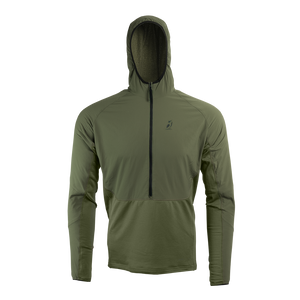
[00:43:41] Tayson: But also, we've been transitioning to some new products. phasing out some old products on-site; backpacks—you see backpacks transitioning, that's kind of the case. And then we are just trying to ramp up, more inventory in general, and try to warehouse more inventory in general, as we look ahead. So, You'll see all that. Maybe one one tip. I guess, throw this out there: the Altitude Hoodies. They are going fast. We ran some promotions on those. And we've since had to just shut everything down, and they're still selling, like hotcakes. We will have some big stockouts on those. So, this is your pre-warning for anything related to altitude hoodies. But everything else we'll talk about
[00:44:25] Tayson: in in the future and we'll be talking about some product launches, you know, pretty, pretty soon in Q3 so excited it up. Thanks for submitting. All these questions, lookin' forward to
Editor’s note: Tariffs, Q3 releases, stockouts, inventory in transit, promotions, product transitions, Altitude Hoodie availability, and company growth describe July 2025 plans and status. They are not current inventory, launch, price, promotion, or business commitments.
[00:44:37] Tayson: doing the OV100, with all of you guys that are in that challenge. It's gonna be awesome. I'm really excited to go back and we'll be back in the San Juans of Colorado and headed north on our journey to multi-year journey from Durango to Denver. Yeah. Um, but I'm so excited. Those mountains are so beautiful and we'll be heading into some area that I have not yet hiked in and seen. So, really excited about that.
Editor’s note: This OV100 participation and San Juans-to-Denver route plan was described in July 2025, not current access, route, navigation, conditions, or participation guidance.
[00:45:03] Tayson: But, Congratulations, to everyone that's been doing the challenge, staying on course. And some of you guys have kind of, I've actually done some of your hikes already, so it's really fun to see all of that and excited to do that. But even if you're not doing the challenge, hope you guys are getting out on the trail and just spending time outside when the sun is shining in the summer months here. So, okay. Please like share. Subscribe this podcast. And we'll catch you guys in a future episode.