[00:00:00] Tayson: Everybody welcome back to the Live Ultralight Podcast powered by Outdoor Vitals. Today, I have Tyler on to talk about How do you know if you're ready to do? 20-mile days out, backpacking. And this is top of mind because we have the OV 100 signups going on right now. If you don't know what the OV 100 is, it is a DIY challenge to go and Hike 100 miles kind of through the summer and fall season and it's a really really cool program or we've got Hundreds and hundreds of you to join. And we give you this framework. That really walks you through step by step of how to plan and train and execute those hikes
[00:00:36] Tayson: as well as we give you a bunch of free gear that the free gear actually outweighs the cost of the program. We do this at no cost because we're just excited about getting people on trail. We know how big of an impact to have and it connects with Outdoor Vitals purpose, which is to connect people to the vital Outdoors. So today we are kind of brainstorming a good topic to cover and also just get people excited about That already have joined or the wanted to join the OV 100 Mile Challenge. We came up with this concept of how do you really know if you're ready to hike? A 20-mile day for a lot of people
[00:01:06] Tayson: that something that they've never done before and for a lot of people that want to do the 100 miles in one continuous push, it's a question that you're going to be considering because you're trying to figure out, how many miles can I hike in a day? Now, you don't have to do the 100-mile challenge all in one push. You can do it through a stacked method where you where you just have to string everything together with spending nights on trail. So you could hike one day sleep out of your backpack and then hike the next day and both of those days would count and you can stack those up throughout, but it's always kind of
[00:01:37] Tayson: the Pinnacle or the or the hope that people are doing some nonstop 100-mile hikes as well which turns out to be pretty challenging. So Tyler, you've helped me. You've been the biggest hand in writing the content and managing the 100 Mile Challenge submissions as well and we learn a lot from that. So I wanted to dive in to that, let's talk maybe about the actual percentage of people that that finish the hike and what you learn when you're reading some of those submissions and then we'll take that back and be like, okay, well how do you know if you're ready?
[00:02:14] Tyler: Yeah. So this is our fourth year, right?
[00:02:18] Tayson: This is our fifth year
[00:02:20] Tyler: doing it. The first year, it was just, for the little members.
[00:02:24] Tayson: This was capped at about 100 people. Yeah,
[00:02:26] Tyler: exactly. It's kind of a beta program at that point, but it has been quite consistent. Every year that it's been right around 30% to 35% of the people who Sign up for the OV 100 actually completed. And when we look at the surveys, we're always like, man that just doesn't feel like like very good success rate. Like, are we not teaching well, enough, or, or is this too hard of a challenge? But, when I, when I go through it about half of the submissions, the reason that they don't finish is just because their life circumstances change in, in that time. So, if someone changes a job all this, and they have less vacation time, or they're
[00:03:18] Tyler: farther away from a place that they could execute 100 miles or, you know, like it just shakes up their whole plans. So that's a big one is job changes moving. And then just like family circumstances and end up you know, kind of changing things for people. So those are all things that are that are out of our control and probably things that most of those people didn't foresee happening when they signed up for OV 100.
Editor’s note: OV 100 participation, completion percentages, program structure, and annual-challenge comments describe Outdoor Vitals’ experience as of March 2026, not current enrollment or guaranteed outcomes.
[00:03:49] Tayson: It well yeah like you've got to have Plan B's, C's, or D's for a lot of this stuff. I know one year we all like We almost didn't go. I ended up going but everyone else didn't get to go. That years
[00:04:01] Tyler: me and Brigham, actually. But Alan takes two kind of reroutes. You ended up basically on plan C.
[00:04:08] Tayson: Yeah, I did end up on planes here, separated my shoulder like eight or something days before, we were supposed to go out on trail. And so, then there's like, oh, this is gonna be a reality and then I plan to trip in Idaho. And a few days before I was going to leave for that, they closed the Wilderness due to fires. So then I had to go to a Plan C and ended up being great. It's honestly, one of my favorite 100 miles of ever done in my life. So yeah like there is like a fail to plan plan to fail aspect and we do talk about having contingency plans in the framework but that
[00:04:40] Tayson: is that is probably the hardest one to plan for because it's it's a little bit out of the control out of your control with with whether it's job or family or whatever that is. But so if we kind of put that one aside and we talked a little bit more about what might be in our control, what what are some of the reasons that we find there?
[00:04:59] Tyler: I think the biggest one is injuries. and it's not necessarily people reporting like, They? Had a big injury.
[00:05:11] Tayson: Also, your shoulder.
[00:05:13] Tyler: Yeah. Or or even that they're like they it's attempted to start a trip and then got a big injury and didn't finish. Most of the injuries that we saw were, were more of things like nagging me foot or ankle pain that they just couldn't kind of get under control and feel confident enough to go out or they had something nagging like that. And then they went out and they're like,
[00:05:41] Tayson: oh yeah,
[00:05:42] Tyler: I'm not really in shape to do this or not, like not feeling conditioned for that. So, so that was probably the single biggest thing and then. And then there was some that was just like some people weren't able to finish because of either planning or like Acts of God, like fires and floods and things like that. So,
[00:06:11] Tayson: so, Oh, there's a few directions here. I feel like we can go. We can go with Talking about kind of nagging pain in terms of physical preparation beforehand. and then, we could also talk about The fact that if you're going to go non-stop or if you're going to do 20-mile days, there is a mental component to it. That I that I think is, is positive. I think sometimes it'll come off as a negative, but it's really in my mind, a positive. That's where a lot of the benefit comes from on the other side of the pushing through that. and then the other thing I'm thinking about is, is weight and how that adds to
[00:06:51] Tayson: the risk of injury or development of injury. So, and that, what I mean by that is it's packed weight. But also physical weight, but pack weight is, is more. So when I'm gonna focus on with that. So, yeah, I think
[00:07:03] Tyler: those are good before we jump into those, I do just want to kind of give some scenarios of why it's important to consider 20-mile days. Even if you're not trying to do the OV 100 by them. If we love the OV 100, we would love for you to come, do it with us, you get a smoke and deal on all the cool gear that you get, you get to be part of a cool community. And then you have a reason to execute an amazing trip, but all of that aside, if you not doing OV 100, I think it's still important to gauge whether or not you could do a 20-mile day because sometimes it's
[00:07:39] Tyler: forced on you like, if you end up, Doing a trail that has a really long water carry. You may end up feeling like, oh, I've got to push up to 20 miles today and I've never done that.
[00:07:53] Tayson: Or I did a pack raft trip and I needed to be out by a certain date. I was doing it with like three other guys and so they had the date set. And if I couldn't do a 20-mile day the last day to get out, which was a brutal Day, by the way. I couldn't have done the whole trip. So I would have lost three days on on trail because I couldn't do one last day to hit 20 miles which and and funny enough. When I think about about this, um, I did 20 that day the other guys did maybe 15 and they were what special one of them was dying. He was like,
[00:08:28] Tayson: it was crushing him. He barely made it out the next day, like halfway plus through the day to get the last five miles. And so I was like a really good case in point of like, There was no way I could have done that trip. If I was We fit. Is that guy right? Or the weight or whatever aspect was holding him back?
[00:08:46] Tyler: Yeah, exactly. So so there's, there's definitely scenarios that kind of force a 20-mile day, or they or ruins your trip, you know, and so whether it's time, constraints, like you're saying or whether it's an emergency, like a wildfire, or something like that, or whether it's just unlocking, the ability to do a trail because you have to hit a 20-mile stretch in order to get to the next water source or like we did in on the Appalachian Trail and we missed our campsites. One day and we went from a 20-mile day to 30 mile day because there's like a 10 Mile Stretch of private land that we couldn't camp in. So so you kind of you
[00:09:35] Tyler: kind of want to be able to gauge if you can do a 20-mile day for any of those reasons. It's an empowering thing and that's I mean I
[00:09:44] Tayson: honestly take a lot of ultralight backpacking. Like, at his core comes back to empowerment. You know, if you are going lighter and getting more confident in your gear, which to me is what Ultra backer is their confidence their gear because that confidence, they can take less and paired down things. And that that makes an empowered hiker, it makes you feel confident out there. It makes you be willing to go and do more execute more trips and all those kinds of things. And so I think hiking a 20-mile day, That's an awesome tool to know that you can do. Now, if you're currently only able to hike tens, maybe just take every time we say 20
[00:10:18] Tayson: mile day and push that to 15 or something like that, like, like take this and be like, okay, what would be like, five miles farther than I typically hiked and then apply, all these things back. And maybe eventually, even if you're starting tens, you'll get to 20s. But you can also take all these same things, we'll talk about and just extend them to whatever 25% farther than you normally go. I would say, yeah.
[00:10:38] Tyler: So the other reason and that comes to mind for 20-mile day is theme. That takes an I have hit on a lot lately, in our personal conversations which is the misogi challenge or the Misogi, what are they call it? Yeah and I think there's a lot of Value in following the ideals of the Misogi challenge which is a Japanese. I don't know exactly what the word means.
[00:11:10] Tayson: Yeah, it basically an edifying process for them. And for them, it was all about like hiking to these waterfalls and like bathing in these freezing, cold waterfalls and like this spiritual edifying process. then over time it became this, this other principle of like edifying through the outdoors and then people kind of took that and be like, okay let's define that a little different like well how do you edify through the outdoors and it came to this concept of like, okay, you do something Outdoors You do something so challenging. Whatever it is that there is a significant chance of failure, like a 50% chance of failure and you do that once a year and by doing
[00:11:49] Tayson: that you reset, your perspective on life because you do something so hard. That like I always there's I can't remember what the quote was but it's like If you learned to do hard things and life like everything it's easier and even if you start off your day by doing a hardest thing in the day and you think about that mentally like everything else becomes easier. If you do a Misogi challenge in your life, even if it's once a year, everything else becomes easier. In a percentage, right? Because most of our problems today are perspectives. Right? We're comparing or we're feeling stressed or we make our lives stressful or we we invite things into our lives,
[00:12:27] Tayson: the cause more stress. And really, if you get that perspective back, you're like It helps you recenter and and realize well these really aren't issues. I'm just letting them be issues at times. Yeah.
[00:12:38] Tyler: Yeah that evolution of the definition. We've talked about a good amount because it comes, it gets a lot more clear in the book, The Comfort Crisis, which was written by Michael Easter, which is an awesome book for people to kind of just open their eyes to how our modern Comforts degrade Us in so many different ways, you know, but the Misogi challenge is a big part of that book and and yeah, they they talk about doing it yearly and and Only Rule is has to be. Well, there two main rules that they talk about are has to be so hard. There's a good chance, you fail. You also have to not die.
[00:13:20] Tayson: That's like and asked to be outdoors.
[00:13:22] Tyler: Yeah, that's like their main, their main rules. And so, like circling back to the 20-mile day. I think that big days on the trail. Are. Like very valuable in the way that a Misogi challenge is valuable. Because it just teaches you what you can do, and, and pushing yourself bring so many extra benefits. So if if for you a 10 mile days, and so each challenge, then that's awesome. Or if a 20-mile days the next Benchmark. Or if you want to push further, you know, like like that's it's always good. Yep, it blows your mind, really when you're like, oh, I did 38 miles today, like, that's You know, you're like I didn't
[00:14:13] Tyler: think that was possible until I did it and now I think I can do more.
[00:14:16] Tayson: Yeah. I was just on trail in the Grand Canyon this last week and the guy that was there with Kim and his closest buddy kind of got inspired to start. Testing the waters of how far they could go. So they did, if they did two different hikes where they did like 40 miles in a day essentially, 30 miles one day, and another one, I think they did 40. And it was very interesting to talk to him about that because he's like it changed my entire perspective on Mi write. Now, I know what I'm capable of now. I know what I can do. And when I come out here and do stuff it, it's Rewritten, you
[00:14:50] Tayson: know, so much of his of his mental focuses on those. And it was really cool because I Was preparing for something like that. There's a lot of side benefits that come with that. And turns out, you know, physically a lot of growth comes from pushing and going farther than you usually do. You know whether that's, you know, building mental or physical strength, maybe that's strengthening ligaments and Joints, maybe that's losing some weight or ambient is the mental side. So I just think it's so damn cool to be able to look, Too giant drainages or basins away and think like, that's basically as far as I can see, and that's half of the day today. You
[00:15:30] Tayson: know, you get up on some of those Peaks and then you Winters and stuff and look across and say, like, holy cow like we can cover a lot of miles on a day when we when we need to or want to Okay,
[00:15:41] Tayson: so let's let's step back then. Lets, uh, I don't start nagging pain or the weight aspect. but let's Okay, let's start with the weight because it's it can play into this um for sure. I think weight is a huge reason. Why people don't do more miles. I've shared this probably before in the podcast, but I'm a sportsman, I'm a Hunter. I will backpack in areas for seven days at a time, with all my hunting gear and all. So pack an animal back out of there. And when I do that, very interesting to me that Let's say it's 10 miles just nice, round number 10 miles with a 45- to 50-pound pack, is a significant
[00:16:27] Tayson: day. It's a significant day but 10 miles with an ultra light pack on is half of the day. Like it's half of the day and, and then, if I was thinking about getting up and doing it, the next day, it compounds. It's not a straight line and effort. It's a compounding effort. And so if I was to get up and do another 10 miles the next day, To that much more brutal. It's that much more challenging and hard. And so there's there's a lot more wear and tear on the body as well as the effort that goes into it and that wear and tear in the body's is what will bleed into some of these
[00:17:04] Tayson: nagging injuries? It's a lot easier to twist your ankle. If you've got a 35-pound pack on and a 18-pound pack on, it's a lot easier to lose your footing. It's a lot easier to get off balance and slip and stumble last year. And I actually was thinking about this on my last two because I put my camera bag. On my chest on this last trip for a little while, but we were going on like roots, not Trails. So, we're walking down washes, or walking in slot, canyons were walking across the desert where there's just no Trail. You're trying to find trails and routes that they exist. But they're really, they're, there's maybe 10
[00:17:43] Tayson: people a year that take them and so they're non-existent. And when I have that camera bag on my chest, I couldn't see my feet plus. I've got extra weight of an extra five pounds of camera gear, and And I about went down a few times, just not being able to see my feet last year on the Colorado Trail. We had Craig with us and he had a ton of he had at least 10 to 15 pounds of like camera gear and then he also had this big chest harness and he ended up stumbling or tripping over small rock and not even a super technical part of the trail is trying to capture a shot, kind
[00:18:17] Tayson: of had his head up. He has this big chest harness on his. Stumbles one goes to catch his footing rolls his ankle really hard tumbles off the trail and ends up route, you know, stopping his 100 mile trip with us. So this ability is big but also just that weight, it's really hard to catch yourself when you've got weight on your back and that's that's just a huge thing. And then I like, like they're talking about that compounding effort. If you do have So you've got a weaker ankle or some weaker ligaments in knee or something like that. Adding, more weight onto that will only compound how fast a fatigues or, how much pain it
[00:18:53] Tayson: develops, how much swelling, it might develop. And so, getting your pack weight down is really important for us. What? That typically looks like. Is that our base? Weights are 12 pounds or less. Yes, we can get to 10 pounds or less, but 12 allows it to not feel like we're having to really skimp on really anything. We still have really nice sleeping bags and Tents and backpacks with frames and and we can, you know, like carry good quality and like lots of layers for weather. So 12 pounds for us or under is a really good number and then you're adding food and water on, that means we might be starting the trail off at about. 18
[00:19:35] Tayson: to 20 pounds, maybe a little bit more on the 1 0 0. 5, 2 5. Once a day until you're getting back into, like, my pack was about 15 pounds, depending on how much water. I'm carrying at that moment in time. So, I was kind of a big rant on weight. But I know you're, you know, it's a big one. So what I what am I missing there that you feel like compounds and ends up causing potential injuries or people from getting the miles? And
[00:20:21] Tyler: yeah, I think I think that people just don't realize how much extra effort like five or 10 pounds adds to your total day. I think those five years ago we did a trade show and we put a chart up and I can't remember all the numbers. I should have looked them up before this, but we did some calculations based on what a Like, how far you could hike on 3500 calories, when you had a 25 pound pack versus of like 35 or 40 pound pack. I can't remember what we did there. But what I do remember, was the bottom line is the difference between a 25 pound pack and a 35-pound pack on the
[00:21:10] Tyler: same amount of calories was like, It was right around 60% of the miles like if if you were going to eat 3500 calories you would only be able to go. 65% of the distance with the heavier pack before you bonk, like before you hit your calorie wall and we could it'd be fun to do some more experiments and math with that, but it's pretty substantial. Like, like most people feel like, yeah. When I started backpacking, I had a 40 pound pack, and now I've gotten to 30 pounds and and then they're like, they just kind of leave it at that and That is good, that's great progress. But you can, you can still get a
[00:22:01] Tyler: lot more comfortable and going from a 30 pound pack to a 20 pound pack, is a 30% increase, right? So, that's like, that's a pretty substantial increase when you're looking at trying to make performance gains. Like if you could have 30% more horsepower in your car. Yeah, that is like, massive, you know. So, so that's like the value of it. On a kind of. a broad scale, but I think what it comes down to is There's benefits over, Just Energy. Like you were saying, balances, a big deal, but then all. So just the impact on your on your body less weight. On your body, means your joints feel better, and means your arches in your
[00:22:57] Tyler: feet. Don't hurt as much and your feet. Don't get this tender you know, all of those things out of
[00:23:03] Tayson: Yeah, feet tenderness by the end of 100 is real issue and the the bulk of a backpack. Like, if you have a big bulky backpack, there is definitely energy losses and controlling the bulk and the weight of that too versus when it's, you know, tightens and against the your back having a duck
[00:23:21] Tyler: lower under a branch
[00:23:22] Tayson: lower under a branch or like you say, like let's say you're jumping, you know, cross a river stone to Stone or let's say you're just like when you think about it, when you walk your shoulders, don't stay perfectly Square, they rotate back and forth. So every time you're doing that you're wagon, a bigger tail per se and it just takes more energy and effort. And that way I have a really cool story that I'll share that I've actually already shared in the framework. The videos for the OV 100 Mile Challenge, which you get. If you sign up, you get access to. I think 12 videos worth of content that we've put together about each component
[00:23:55] Tayson: of planning, 100 mile hike, but I met as a future Point share that on the podcast as well. But talks, just about Um, you know shoe weight. How important that is. I really interesting kind of scientific experiment on that as well as you know, shoe weight mixed with the pack weight. So your agility on trail, it plays a large part into getting down the trail faster and the speed at which you get down the trail, which then equates to Miles, because time on feet is also like one of the most fatiguing things. And so if you're hiking that, you know, it's just it's you hike at 2.5 miles an hour versus 2.7 miles an hour.
[00:24:30] Tayson: Well, of course, the day that actually ends up being a good chunk of mileage with one, two, three miles. So some things to consider but let's shift a little bit from weight. We know. Wait is really important. We gotta get that pack weight down but we talked also about the fact that like the number one thing besides those big life-changing circumstances to keep you from doing things. Is this nagging pain and wait plays into the nagging pain, but how do we avoid nagging pain? Right? Like what do we do to make sure that we don't start a trail at night and pain or don't develop that pain on the trail?
[00:25:07] Tyler: Well. I think to really bridge that Gap. A single best thing you can do to predict. If you're going to have nagging pain would be to. Do practice hikes with a weighted pack. Hmm. You know, like there's there's no substitution for Testing with the exact weight that you're hiking with. Because in reality you feel a whole lot better doing a hike with a day pack or no pack, then you do with a backpacking pack. And so if you want to test to see, like well, how many miles can I do before I run out of energy or before my knee acts up? The best way to do that is pack your pack like you're going
[00:25:56] Tyler: backpacking. Literally everything. And then go hike and see what it
[00:26:01] Tayson: what? It feels like. Yeah. And try to get on trails, that will be as similar to what you're going to be doing as possible, right? Because Some of these Trails just have really challenging Trails. Like they have big step UPS, big step Downs um
[00:26:16] Tyler: South Kaibab Trail in the Grand Canyon is the one, the mules go up and down and make stairs with logs, you know, like like the forest service has all over the country, but since the mules are there, they dig holes behind the walk. So you actually have A hole and then a log higher than the hole and then a footstep down. So you're either jumping from log to log, or you're going whole hurdle over the log and then down and we were not prepared for that when we fast packed it.
[00:26:47] Tayson: Yeah. It's a super challenging Trail because as a human you might only want to take about a six inch step up, but it's forcing you to take a 12 to 18 inch step up and that'll that and especially coming down, dropping 18 inches is a little harder on your joints. And these, you know, again coming back to some of the weight aspects, it all, like it all compounds to be harder on the joints. So getting that time out, there is really good. Something that I think about a lot is you're not just training muscles, all the muscles are you know, the meat and potatoes of all of this but you're strengthening things like ligaments. So
[00:27:26] Tayson: This hike, I just did. I was wearing Trail Runners, wearing my hokas. I tried and Tru shoes that I've used for a few years now, but the guy I was, with his over 50, he was wearing Chacos and we are scrambling on. I mean, if we were to be hiking on trail and 40 miles, it might have been Five miles of it may have been, what you would consider a trail. There was times, I was climbing up stuff, so steep that I had my hands on the adjustment latches of the trekking poles because I couldn't even reach the cork handles, or my hands would have been over America full 2 feet and I'm like I'm
[00:28:04] Tayson: I'm like 18 inches down my pole so that my hands cannot be over my head. As I'm climbing up stuff, we're scrambling. We're having a pass packs down and then like climb down rocks. What kind of he's wearing chose? So the point of what I want to say with that though is he has billed ankle strength, his leg in ligaments and his ankles are strong his muscles as stabilizer. Muscles are strong and that comes from him training and doing this stuff consistently. You know, he'll consistently go out. I think about once a week and he'll do it. 10 miles, big effort, hike, where he's going up and down. Now, he's going, you know, he's spending
[00:28:42] Tayson: the time to develop and strengthen those ligaments and muscles, and that is a huge part of that nagging pain. I can personally say that I've had say a little bit of nagging, knee, pain, or things like that on trails and that always comes. When I'm under trained going to the trail while I'm trained your body fortifies, the strengthens it tightens up? Where it needs to tighten up and and holds itself together a lot better? And so that's a huge thing. I don't, I don't know someone personally that's like but I've heard it, you know, like that I've got weak ankles, you know, type of mentality, but I think a lot of things like that can
[00:29:22] Tayson: be trained. Just a matter of how quickly you're able to train it because sometimes it takes a whole lot longer to train things than you think. You know, we talk a lot about in the framework about like a 10% to 12% incremental change week over week. Well, if you think about someone who's like only wearing boots ever and then they go to a trail Runner. That's a huge quick change. And so you'd have to really control things like mileage or train to slowly, strengthen your ankles or else you are going to continue to injure yourself because it's such a stark difference to just switch from one day to the next from a boot with ankle
[00:29:55] Tayson: support to something without ankle support. I think
[00:29:57] Tyler: doing opposite is what causes people a lot of grief out on the trail is they go all day every day, in their normal, tennis shoes. And then when they hit the trail, they put on mid-height boots that are waterproof and weigh twice as much of their normal shoes, and they haven't like, worn those day-to-day. And that is just so draining. I, I had a really, like the steamed experience one time where I used to work construction. I used to live and work boots and then a couple years out of college, I hadn't been wearing work boots at all really except for like the random Saturday yard project and but then I went on a horse
[00:30:47] Tyler: ride with my dad that turned into a big hike and I was wearing the work boots and I could not believe how dead my legs were after like three miles. I was like what the heck happened to me? And it wasn't that I wasn't fit. Like I was I was mountain biking a ton at that point and Hiking a good amount. It was the stinking boots. Like they completely ruined my day and yeah it's a that's a big deal. Yeah, I think it's big deal.
[00:31:16] Tayson: So strength thing as ligaments is huge as well as, you know, just muscle muscular being able to To have the stamina To Go the Distance. I've also had experiences with my feet. So, last year, I went into the OV 100 less trained than probably the three years prior to it. And last year, I had the most tender feet by the end of the trail and and that's something that can be developed and fortified with training and doing efforts and you know, pushing yourself like that. So there's different things like that to be aware of when it comes to those nagging pains. In the course, we talked a lot about recovery and how to like let's
[00:32:03] Tayson: say, you did have, let's say you started some training, you started to develop knee pain. Well, we talked about you doing that is not opportunity, right viewed as an opportunity to, to figure out what's wrong with, maybe the muscles above the knee, or below the knee. Stretching or strengthening certain parts and figuring out how to get that. Specific joint of yours functioning in the proper way, with the proper torque or, you know, something more more strong on one side or more. Maybe. Something's really stretched out from another activity that you doing and it causes instability and those areas. And so those are all so areas to to focus on that nagging thing. But overall, a
[00:32:42] Tayson: lot of this comes
[00:32:43] Tyler: back to training. Mmm,
[00:32:44] Tayson: a lot of this comes back to what you're doing before you end up on the trail, we've definitely met people on the trail that and and actually if you really want to get exercise and you live down and you know, Georgia or whatever like, go look at the first 100 miles of the AT, watch how many people have found the time to get off, work planned and trout travel. To do this setup, mailer boxes, set up all these things. And then the first 100 miles are coming off Trail because they didn't physically prepare for the trail and they have knee pain or ankle pain or back pain or fill in the blank but they're going
[00:33:20] Tayson: from like I started an office for the last 12 years to I'm trying to hike a 15 mile day and the body’s gonna have something to say about that. Nagging that nagging pain aspect, so I don't know because we don't track this but I would tend to believe one of two things about people that don't end up finishing the other one, They didn't actually follow our framework of training. And that's that's probably the first and foremost biggest or two, they followed the training framework but they got but they did the training framework at one level and then tried to jump the track because we put people on different tracks to go from like they trained
[00:34:02] Tayson: as if they're doing 15 Mile days. And then they tried to jump to a 20-mile day. And, and that is also a no, no, you're asking for additional injury at that point. So, um, Okay, so we've covered we've covered training. We've covered weight. Those are two big things that keep people from hiking. 20-mile days. What else keeps people from? Hiking 20-mile days.
Editor’s note: The injury, joint, foot, ligament, conditioning, pack-weight, footwear, mileage-progression, and recovery discussion reflects personal experience and general March 2026 training guidance, not individualized medical advice. Persistent, worsening, or acute pain calls for stopping and appropriate professional evaluation.
[00:34:28] Tyler: I think the next biggest thing would be. Fueling and hydration. You end up. Why. Um, Well. the reason is, A lot of times you can feel good. like, just on your Internally stored glycogen that you have in your muscles in your body. You can feel pretty, dang, good for 10 to 15 miles. On
[00:34:58] Tayson: on just what you have stored typically eating schedule mixed with like what you've got.
[00:35:03] Tyler: Yeah, um, because you really you have about 1600 calories worth of stored like in when you start every day and so you can do I would say like an average person can do 10 miles without doing anything special with their fueling or hydration but the hotter it is the more your climbing On the more miles, you start adding, the more important it becomes for you to really understand how to fuel and hydrate in order to feel okay. For those last five to ten miles depending on on where you're at and and we've seen it time and time again like with ourselves. But also with people, we hiked with Everyone kind of has like what they think
[00:35:54] Tyler: is their limit, you know? Like like some people like well When I hiked, it doesn't matter what I do. I get headaches. And and you're like, okay, like that, that makes sense for what you're doing right now. But you learn how hydration and fueling a little better. Your headaches can go away, you know, and and then same thing with hitting a calorie wall like we call that bonking or hitting a wall. But what's happening is you come to a point where you have used all of the quickly available calories to fuel your muscles. And now your body is going into what they call the protein-synthesis mode where it's starting to use protein for
[00:36:44] Tyler: fuel and that's very slow process. So you you just tank you just feel like you can't do much because you're out of the quick energy and when you hit that wall you're like well I don't want to hike anymore miles, you can do it but it's like a real drag. Let's just say, let's
[00:37:02] Tayson: talk about like The Compound Effect of this, right? Because, can you hike? 20 miles a day, eating three meals a day, like you normally would help you can It's just gonna be a lot less enjoyable and the thing about that is if it's less enjoyable that weighs on you all day long. And all you want to do is stop take a break stop and rest in the shade. Hydrate, you know, like it's all but it all compounds make, you just want to stop essentially So let's just say you did your breakfast and you don't eat anything to lunch, you are going to feel completely drained of all energy. By the time you hit lunch, depending on
[00:37:37] Tayson: how you hydrated. You may be developing a headache or something like that. You feel like crap. So what are you gonna take a longer lunch? You're going to try to reset the energy and then if you ate lunch and then try to go all the way to dinner, you're going to compound it again and again and you you're asking more out of your body then you have to buy just simply changing a few simple things. These are all things again that we cover in the OV 100 but like at a high level, we really just talked and preach about the concept of taking in the calories. That's, absolutely huge. We more or less. I try
[00:38:10] Tayson: it. We try to break that into one to two hour segments, if you're not eating at least every two hours, something you're definitely asking for it. I even prefer to try to think of it as more of like an hourly. Something an hourly snack or and I'm not saying stop, I'm saying, like, grab a little bar out of your hip belt on the go handful of Trail Mix. Handful trail mix something. But keeping that going allow you to just not burn straight to those glycogen stores. And then have to rely on, you know, your body, synthesizing, proteins. And fats,
[00:38:40] Tyler: I would say. That's the reason that most people put a ceiling on how many miles they can do is they'll they'll go out for a hike and they'll push for a bigger mile day and by the end of the day they're so spent they're like I don't want to do that. I mean miles again, you know, and and most of the time it comes down to them. Not having high enough quality or consistent enough, fueling and hydration. So then they kind of put that cap on themselves. When in reality, they could do a lot more and that has a lot to do with how sore you are the next day, too. Like we send our
[00:39:20] Tyler: marketing intern on a Shakedown trip last year and it was a big mile trip for him to prove that he could do. The really intense 100 Miler that we had planned and he got a little bit behind on his pacing so he ate lunch a little bit late and then he got to another spot where he couldn't tell where the trail was that I sent him on and it was we were trying to help him back some 13,000-foot peaks, or right under 13,000-foot peaks. So he got to a point where he could see the peak but he's like
[00:39:59] Tayson: I don't think that's a real Trail or like I can't go up that
[00:40:02] Tyler: you said in the brain fog mixed in.
[00:40:04] Tayson: Yeah, he was worried about it and he he tried to call me and he lost time there and so then he decided not to bag the peak and then he went to camp and he got to Camp later than he planned because of the navigation snafu. And and then he he like Had another issue where he was like, I'm too tired to do a bearing and he's like since I'm too tired to do a bearing, I'm just not even gonna get into my food because I don't want to deal with the bear stuff so he like left his food far away from Camp, didn't eat that night. Next day, he still has to do another
[00:40:43] Tayson: 20 miles a day and he said he felt like garbage and and so then he got off the trip and he's like I don't want to go with you guys on the 100-miler. I said, "Hold on a second". Let's look at how things went and how you did this and we we looked at how he he was extremely sore too and and essentially we were like hey man you will not be anywhere nearly that's or if you eat the right amount of calories and I drink and you hydrate and and you do it consistently throughout the day and Tayson’s nickname for him is Birdseed because around the office, he doesn't eat very much.
[00:41:23] Tyler: And taking that stuff.
[00:41:25] Tayson: So, so like during this process of doing the Shakedown trip He learned like, okay, I've got to eat a whole lot more calories. I've gotta eat more consistently, and I've got a kind of like be disciplined with with how I do it. We convinced him to go on 100-miler. He executed on the plan that we created for the hydration and fueling and he did better than anyone else and it was a huge turnaround. And he
[00:41:57] Tyler: loved it. Like, he got off the trolls. Like, I'm so glad you guys told me to do this. I'm so happy with this. He was, I would say less sore than that. Anyone that finished the hike with us. I mean, Derek essentially, and he just crushed like he crushed it and I do think that the like he definitely came off of that kind of Shell, Shocked. He packed more food than the rest of us. I was trying to bump food off of most the time because I was like I got off early. I feel like I could eat a little more than this and Um, but he did. Yeah, did great. And, and absolutely had
[00:42:30] Tyler: a major impact. I did not see him nearly as sore. We were doing more than 20 miles a day and yeah, I was like it was a huge compound. And at the thing as a backpacking—especially 100 miles—is all compounding, hour after hour. If you mess up one day, you're playing catch up the next day. I got behind on hydration one day the next morning, like all I cared about was rehydrating and taking in the right amount of salt, like I had to prioritize that like to the nth degree so it didn't completely take me off of off of 100 mile hike. But how you feel weighs on you and how if you
[00:43:07] Tyler: are not, if you are like, can you hike 100 miles this other way? Yes, it’s painful. Yes. Is it mentally challenging? You absolutely have just compounded the mental challenge of this too because now those those pains get bigger, those excuses. Get bigger. You're you're sitting in those kinds of places in your mind a lot more. And you tap out, you just simply tap out. So fueling correctly, absolutely huge hydrate. Hydrate Hydrate with the right. You know, electrolytes and and everything makes in there, as well as consistent fueling because that all like, every part of this eventually ends up at this mental game. I think
Editor’s note: Calorie, glycogen, fueling, hydration, electrolyte, headache, soreness, and recovery comments are general trail experience, not individualized nutrition or medical prescriptions. Needs vary with the person, effort, weather, altitude, and health.
[00:43:49] Tyler: that's maybe where we should. We should kind of finish this today. Is this, this mental concept of its power, we started with the Misogi challenge. Concept. Mentally, I, I've run some Ultras in my time. I can't remember what the percentage was but I saw a percent one time and it was something like 80% of people that drop out of an ultra wish that they could re-enter the ultra before before the race is over and usually within like one hour of dropping out and why is that? Because they let these pains aches lack of hydrating or fueling happen. They get in this really bad spot and they tap out early, they mentally give up early, then
[00:44:32] Tyler: they sit down on a chair and they hydrate and they eat for an hour and they're like Oh man, I made a mistake like the body, just rebounded and your back on this game. Man, the mental game is a huge component. When I went hiked in the Wind River Range, I have I had this really struggling knee pain and I started to wonder if I needed to get off the trail. The crazy thing is the body sometimes lies to you sometimes tricks you and I got to section that was more downhill. I stopped and stretched. It really good. I didn't have as much uphill like fatigue, that was maybe tightening up a certain muscles and my
[00:45:07] Tyler: quad that and I'll suddenly the second half that entire trip. The first 50 miles was, I was feeling it. And then the second half, the trip. No knee pain at all. If I have tapped out early, I wouldn't have finished that 100, Miler. If I had like, like so controlling all of the inputs so that you're making it as easily easy on yourself as you can, Yep. One step two is understanding that there can be times that things get rough and really knowing when you should or shouldn't tap out of a hike. But that also, that mental challenge that comes with it. Is we're all of the growth. I feel like comes with it too
[00:45:49] Tyler: that's where that reset on life can come into play with like the concept of Misogi challenge. because when you push that hard, it takes everything else in life and can help you reorient that perspective on life. If you. I mean just think about this, right? If you grew up in the time frame, when it was just horse and buggy and the fastest you're ever going is like 20 miles an hour on a horse. We're in a buggy and then you were to jump ahead to today and you were to go 80 miles an hour. You would freak out, you would think it's the most crazy unsafe like you would be blown away, right? And
[00:46:29] Tyler: you tell with 80 on our speed limits um, but that's a perspective thing because if you took someone off the street here and you drove 80 miles an hour, they're like Normal, this is what we do. There's nothing scary about it. I've been driving this way for the last 15 years, you know. But so there's this massive perspectives and the more that we can change and rewrote those perspectives in our lives, the more certain things that we thought were hard but can become easy or you can just put it in the right box. You know, I guess is a better way to say that and I think that's a huge benefit of this but sometimes
[00:47:04] Tyler: that does require a little bit of push. Now a lot of our pushes and I'll argue for this a lot of our mentally growth, you know, growth oriented days came from actually going farther than 20 miles, I would say pretty much every one of them we're doing at least 24 miles or more and that's where we get hit into these like levels of like misogi challenge growth. Honestly, hiking 20 miles a day for us. Can feel pretty enjoyable. If we go from a 24-mile day to a 20-mile day, we just gain like an hour, to an hour and a half of rest time back in our day, that we Have been taking and so that
[00:47:38] Tyler: fills a lot more slow and enjoyable to us. So I don't want to say that a 20-mile day is like you're gonna be hitting like your absolute mental limit. Some of you will, some of you won't but that mental side of knowing When this is normally aches and pains and you can push through and building that mental mental strength is really important versus knowing like okay this is a real thing. I need to get off trail to stay safe because remember Principle. Number one is don't die out there. Um, but what else do you have to add? And I guess just on the mental side of it, I mean, you kind of been along
[00:48:09] Tyler: this ride since day one. You did the very first 100 mile hike with me, out on the AT. And yeah, there was, there's a component of the mental aspect that we have seen the separates people that finish and don't finish. Yeah. I think That it's a lot of things stacking up as far as like getting to edification of the Misogi challenge. It's the feeling of accomplishment that you get both from doing more miles and when you can see how many miles you have come like when you look back and you can see that, that's a specially Grand Canyon. Yeah. But then but then I think there's like the element of Feeling like you.
Editor’s note: The Misogi, discomfort, mental resilience, “push through,” and safety discussion describes personal challenge framing. Distinguish ordinary effort from pain, confusion, heat illness, injury, dangerous weather, or other warning signs that require slowing, turning around, or seeking help.
[00:48:58] Tayson: Leveled up or progressed in your knowledge and skill whether that comes down to fueling and hydration or how you packed or how you navigate it or, or literally just comes down to, like, feeling like you have more grit and you can push yourself a little harder. But I think that all of those things, add up to making the bigger, mile days, more edifying. And like, we've got podcasts where we've talked about the perfect 20-mile day and how we break that up and how we feel and all that to make it feel like you're not just rushing from place to place and and so like when we're doing these 20-mile days we do not
[00:49:42] Tayson: feel like we're rushing from place to place we don't feel like it's a stressful thing or like we're missing out on the views or the peace of the outdoors. We just feel like we're efficient capable and an able to go the places we want in the amount of time that we have, you know, and I think that that's A really good feeling because it just unlocks. So many more cool Trails. Like, if you want to get into the really remote Wilderness, you just have to do more miles. You know, that's, that's what it takes in the US, in fact, in the lower 48. Farthest. You you can absolutely get from a road is only 40
[00:50:29] Tayson: miles from that. Like, doesn't seem. I think it's actually less than that. Yeah, yeah. Like that really doesn't seem like you can get that remote. Right. But um, You can you just have to be 10 miles in or 20 miles in sometimes to, to be able to get away from the people and the light pollution and, and all of that, you know, where you really trying to get back there. And, and either see something you need or feel something different or just feel like you're actually relying on yourself.
[00:51:08] Tyler: Yeah. Guess some of these areas that we go into, You could argue like, well, you could go slower. You can't you just gotta take more food. You got to take more days which all adds up to weight. Which then also compounds the fact that you can't go as far, I just heard a story of this lady who was playing on going into the Grand Canyon for like 26 days. She made it halfway down the canyon and was gonna start shuttling stuff. Like, you know, it was just this whole ordeal and guess what, she didn't even make it to the river, she did not even make it down in there and she was planning on 26 days.
[00:51:39] Tyler: So she might have made it like two days before she realized this is like ridiculous, right? There's an optimal. There's an optimal amount of time to be out on trail Weight Wise before the weight becomes too crazy, right? Maybe it's five days before resupplies where it's like the very most optimal. You know, there's different things to consider there but yeah, being able to be capable to do this, does it just opens up the backcountry. It really
[00:52:04] Tyler: opens up the back country to you. So I want Circle this back around at the initial question. How does someone know if they're ready for a 20-mile day? And I think the truth of it is, it's complex answer because if you are off on any one of these categories, you might not be ready. Um, it takes a complete package, a complete picture, I would say to be able to consistently do 20-mile days, does that mean someone could go out and cold turkey, 20 in a day? No that people could totally do that, can they do it two days in a row, three days in a row, four days in a row, that's where it really
[00:52:42] Tyler: comes in question where it's hard to have not confronted a lot of these points and that's really what drove us to build an entire 12-week program, which is the 100-mile challenge with videos and book material and stuff so that you can go through that and be like, no, I'm I'm safe here. I've checked this off. I've checked this off a check this off and just realize like what's my weakest category. Okay, that's the one I need to strengthen. And figure those things out. So how do you know if you're ready for 20-mile day? I don't think that's a, that's a one-liner I can answer. Even, you know, after going through this whole podcast,
[00:53:19] Tyler: it's like The best way to know if you can do 20 miles in a day, is that you've done one. That you did the practice, you know, you did the proper preparation and did what we call a Shakedown trip where you went out and did you know a 20-mile day, slept on the trail and were got up the next day and you could do another 20 miles. Um, and that's, that's how you really know.
[00:53:42] Tayson: Yeah. And and if that is feels too risky, then do your first Shakedown at 10 miles, then do another Shakedown trip at 15 miles and then do another shakedown at 20 miles and those will tell you more than anything like this. If that was all you could do is just kind of do a trip. Push yourself a little see how it goes. Take some notes. And then re up for the next one. Push yourself a little more. You can work your way up to it. The the training program that we put in the OV 100, it covers all of it. It covers like the actual training by miles per week so that you're only
[00:54:27] Tayson: increasing mileage like 10 to 12% per week. That's a really safe way to increase without causing injuries and without putting yourself at risk. So, all of that is part of the framework that we wrote and it works like we, we know that it works because we see a lot of people who follow it, have great success with it and we know for ourselves when we don't follow our own program, it hurts more. And so,
[00:54:55] Tyler: yeah, I think we can talk specifically about old Birdseed, right? He Or Birdseed. I guess he is a case in point because like we started off like, well, there's people there's only 30% to 35% people have finished. This challenge, is that a problem with the curriculum? Well. He is a prime example, someone who followed the curriculum and went out there on executed a 140-mile nonstop hike. felt great, enjoyed the heck out of it said it was one of the highlights of his life. And he followed the curriculum, you know what I mean? So we know it works. We've now done it for five years. We've continued to refine it. If this is something
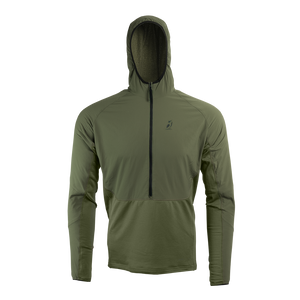
[00:55:31] Tyler: you want to do, that is the best place to go and get all of it in one spot. And it's all unified and formed up, you're not digging through a million podcasts, a million videos trying to figure things out with packaged it all up. With a really nice bow. And on top of that, we we essentially bribe you to do this because the program costs. 60 to 70 dollars, depending on, you know, actually under 70, but depending on whether you’re a member or not. And we give you a $50 Altitude Sun Hoodie. We give you course, material, we pay for all the shipping. 20 dollar shirt. We give you a shirt. We give you finish
[00:56:09] Tyler: your prizes. Oh, yeah. Because we get the shirt on the front and this year too. So then when you finish, we'll probably give you. I think a hat and a finisher's medal, or a pen metal. We're gonna metal this year, like, we've, we've got a lot of things built into this
[00:56:25] Tayson: giveaways.