[00:00] Tayson: Hey everybody, welcome back to the Live Ultralight podcast powered by Outdoor Vitals. Today we're doing another episode of the ask OV series. These are shorter a little bit more informal episodes where we're just answering listener questions. So if you have questions, make sure to ask them either directly to our support team or you can put them on our YouTube channel, on the Live Ultralight at YouTube channel. I have some pretty good questions here. So excited to dive into these. We typically spend about 30 minutes answering these these come straight from you guys just gives you an opportunity to ask Myself and Brigham direct questions. Whether that be about backpacking, whether it be about our gear or anything between we talk a lot about our gear. So sometimes we just enjoy talking about. The aspects of getting out there and and ways that we might do things from just our experience being in the field as much as we are. So, Let's start.
[00:50] Brigham: Got some good
[00:52] Tayson: questions here today. I guess, we'll just start right here at the top. So Brian is asking. essentially, I'll kind of summarize this, but Asking what the difference is really are between a water filter and a purifier and why I specifically like the QuickDraw water filters. So I'll start with the QuickDraw. in my opinion, the things I really look for in a water filter are your flow rate Your ability to keep the flow rate. and, Like just the packaging in and of itself. And the things that really stand out to me, is the Platypus QuickDraw has a really good flow rate out of the box actually. So, this is a good tip on our last trip and kind of goats last week. Some of the guys bought like, how to brand new water filter, or something you guys on a team, flipped it over and started filtering like, man, this isn't really unimpressive and I was like, I was like close the cap and let the bubbles get out of the filter. It's the cap and just tons of bubbles came out of filter. Well, it's upside down, right? The filters below the bag and it's just like they said, that takes the pressure off of it going and of gravity pushing out of the bag and it allows those bubbles to come up and out of the filter. The flip the cap back over and then it was just gushing water like flowing so fast, know. So there's there's a little hack right there. Something that the more you use, the more you realize like, oh bubbles, get trapped inside there, and the more bubbles are in there. The less contact water has with the with the membranes inside of there. So, yes, flow rate is exceptionally good on the QuickDraw. But probably more so than that, I've been able to keep the flow rate really high with it because it's very easy to backflow in the field without any additional devices. So most of us are using smart water bottles, or a type of bottle that has that smaller diameter opening. You're just your typical you know, Plastics, soda style opening. And with the QuickDraw, It was purposely designed so that you could put that back over the pure side and squeeze a bottle and backflush, your filter in the field without additional tooling. And to me, that is one of the reasons that it just works and it works consistently. Because when I've used things to be honest, like a Sawyer filter. I don't always want to carry this big syringe with me and have a power flushing process. And so I'll filter the QuickDraw. And then sometimes I'll just like quickly back flush. Not even a lot, maybe it's a quarter of a liter or a half a liter, like, just, but it's really quick to do easy to do, no additional tooling. And it keeps that filter. A lot less clogged up. And so those are my main reasons like, I can. I can attach it to a lot of things. You know, it's got screw options. Basically on both ends if I want them. So, right now, a lot of times I'm actually using a CNOC or CNOC or have shown to say that bladder, I love that setup. A two liter, one of those with the big open wide end to the water, the zip and the zip, and yeah I can scoop the water and then screws directly on the Platypus. I've got a lot of Leverage to push the water through the filter because I can just roll it as it goes down and then I can back flushes. So those are the reasons I love the QuickDraw. Yeah.
[04:01] Brigham: It's I, I Agree with all those reasons to me, it's just like the best for where I go, how I backpack the things that I do. It's just the best balance of everything because you know about like the purifiers and filters like yes, there is a there is a numerical value of what it can filter and and the types of things that it can filter and Those are all important for people to consider. So to the audience, consider your circumstances, try to not to inject too much like what if or fear meaning like 99.99 versus 99.999 or 99999. that's like splitting molecules, so But it is something to consider. And then, you know what, you know, some filters will say what types of contaminants. They eliminate whether that's, you know, protozoa cryptosporidium bacteria, viruses. So, The QuickDraws just to me the most balanced of all the things that matter to me, like even like to build on the packaging, meaning the practical. Physical product itself. Like, I really like that. The QuickDraw has the ends closed off. Where you can remove them. That's very helpful. They they make. It's an ergonomic little this meaning, like if you just want to drink out of it, it's It's almost built like a sport cap on one end. So it's kind of like just drinking out of sport cap, water bottle, the versatility of of what you can screw it on to the back flushing and then just the longevity of the flow rate. Is has been Superior to anything that I've found. With all the whether it benefits that I think it has over the other options out there. So like it's just a really good package. The just the interface with the little bladder that is supplied with the system, it's just really smooth and Slick. I just keep that entire system in my left hip belt pocket. So, when I want to filter water, I don't even have to take off my pack because I can grab my water bottles with the pack on, I can filter and move, it's just really efficient setup. And now the one thing, you know, another trade-off is people like to call out say the Sawyer they give it and it's like an insanely High number of gallons, treated rating, whatever it is. Like whatever that number is I it's irrelevant to me frankly because like if the say the QuickDraw let's say it's 300 gal versus like 100,000 gallons like Such an irrelevant number like
[06:53] Tayson: well and I could probably speak to that. It's actually spoke with Sawyer about some of these issues a little bit. So in June, I'll actually be be heading overseas to place, 500 filters and homes. And I brought this concern up, I'm like, look, I've used Sawyer filters in the field and I don't love them. Like what's like, what's the issue here? What's what's the reasoning? And quite frankly, there's just trade-offs, right? So some of the trade-offs that they have, And that they'll claim is that they can they'll filter down to a 0.1, Micron absolute meaning like only that some will say like a point one micron average or and then someone will just say point two Micron which I think like the Platypus is 2.2, so they are filtering a little bit tighter but the bigger thing is they tend to focus on the durability of the membrane for back flushing. And so when they bring these homes and they're like these things can last over 10 years in a home filtering water. For a lot of people, you know, filtering 5 or 10, gallons a day for years and years. What they fail to add to, that is with daily maintenance of filters. With backflush. Like, does it have to be daily? That's the recommendation. Does it happen all the time? No. And they have like, really good ways of of, like, Cleaning them intensely, like, if someone has not been maintaining it, they even have people come around in some of these third world countries, and, like service. The filters, essentially, like, like pressure back flush these things. But, the point there is like, they are, they do seem to be building those filters with the mindset of, like, you back flush, these things hard and you can be aggressive with them and they're built for that kind of durability. But the reality to our point is when we are backpacking, We're not filtering, 1,000 gallons, and back for an important one gallon, right? Like like we don't want to backflush everyone gallon. We want to filter that can last the whole trip and I'm back flush it. When I get home. This is. Yeah, I mean
[08:43] Brigham: again and it is exactly it's just trade-offs. This is not a diss or, you know, saying that there's a problem with the Sawyer filter that their priorities are what they are. But for me, my preferences, choose the Platypus and here's a great example like and I have taken filters. Because I what I like to do is I take a sharpie and I write the date that I took it out of the original packaging and I cycle three. So I have three here currently use.
[09:13] Tayson: I just do one here, right? My name,
[09:15] Brigham: I took one out that had been sitting for at least At least two months without being used and never backflushed. and I took it out and it was like, That there was like no change. No I was a little nervous because it's longer than I would like to go without back flushing or maintaining or even using a filter but It was like, it was like it happened yesterday. You know what, I mean? It was towed, the floor. It was totally there and I have done that with multiple other filters and it's been absolute, like, basically zero movement of water, maybe a drip per minute, you know? I mean so yeah.
[10:00] Tayson: Yeah, I have, I have some of these thoughts as that, and when they've gotten bad, I still come with a little bit of of like bleach or vinegar. Sorry vinegar. And back flush him, and they can really come back to life. But again, I'm not like hard aggressively backflushing. I'm just gonna take that same, like, CNOC back so I can get just enough pressure of like, rolling it and I'll just push a couple gallons back through it. And my sink at home and like, I have I now have I think, because I've been kind of beating like one new QuickDraw filter a year. The problem is I'm not actually taking any other rotation. So now I am up to like three because they all work because I've been using them for about three years and they all still work and so anyway. So there's some of the reasons, maybe they take this one step further, just because this is the second part of your question is just about the difference in. A filter versus a purifier to my knowledge and I will not claim to be an expert on this. It's filtering viruses that starts to change between a purifier and for my side of the coin here, most of the places that I backpack pretty much all of them, virus is not really a concern in the water source and so it's just a non-issue if I was going somewhere different, you know, there was any kind of things, I got, I'd probably look more into a purifier but
[11:16] Brigham: I mean I've
[11:16] Tayson: backpacked for years and years and years and it's just never been a major issue. Yeah. So so I wouldn't get hung up on it. Good question though, you can tell we've continued to like the QuickDraw. So, all right. Next question here from Terry is first part of the question is why are the backpacks with carbon frame stays? Still called a frame backpack. This is because we only really distinguish between framed and unframed backpacks. I mean my quick answer was yes but yeah it's like it's just a very easy to use shorthand
[11:56] Brigham: phrase for a backpack with some kind of rigid support. Some people will transfer load and support the load via Something rigid. What do you say? I don't know if it's very common in our industry, but some
[12:10] Tayson: backpacks have like plastic back panels, consider that a frame.
[12:16] Brigham: I think it would be in the very broad sense. I have seen that referenced as and there's even more Apex or writers like an internal frame and like again a lot of this is like there's no like, you know, Webster's Dictionary that has hard fast definition. So a lot of this done but in my mind that that is like approaching what I think would still be included in a framed backpack. And of course there's tons of gray area because like How rigid and thin or and or thin, is that plastic? Like, is it totally stiff? Or is it just almost, you know, bendable as a couple sheets of paper, you know? I mean like so. um,
[13:06] Tayson: So the second part of this and you're gonna get a nice call out here. Brigham, I'd help Brigham is a brilliant guy, I trust him. Why did he choose this design? Or simply maybe what are the pros and cons of the more rigid frames versus what you guys have been building. And he's really referring to like the fact that the Carbon Flex suspension system, the carbon has some Flex in it versus a more rigid frame. So we've definitely covered this when we talk about, like the Deep dive on the backpacks. But let's still hit it. Just
[13:37] Brigham: maybe a little higher level. Yeah, the pros and cons. Let's say the pro of a more rigid frame would be It could support more weight. That's that's the big, the big Pro with that. The, the trade-off there is it will weigh more and with the backpacking loads that Work typically sitting around it's Overkill and maybe just two rigid, that it would be less comfortable to hiking because it's just, it's, you know, it's kind of like driving around.
[14:18] Tayson: A 350 like that. 350 with, you know,
[14:22] Brigham: a suspension built for You know, hauling what a semi-truck, might haul. But then it's just gonna be very uncomfortable, a lot of the time. Just to get rid of an example. But yeah, the, the cons of the more rigid frame. I think that was kind of one of them there.
[14:41] Tayson: I think, I think just the good way to look at this too. Is like are really good friends that EXO Mountain gear, they also use a carbon fiber frame. Their goal is to make a backpack to carry animals out of the backcountry in hunting purposes, right? So, they want to pack that can carry 100 to maybe up to 100 over 100 pounds comfortably. Now if you take that same backpack, that uses carbon fiber stays that are just much thicker more, more rigid, more everything and put it in to our pack. And we're like, Okay, carry a 20 pound backpack, you know, with everything food water. It's going to feel very stiff, very rigid. And it's just not gonna be as comfortable. So, with a carbon, we can really tune the For the expected load that we're looking for and that's really what we've we've come to love is like that having that Supple ride at 20 pounds is or even 15 pounds or something is really amazing with this versus the still frame, it's not or stiffer aluminum frame. It's much less Supple and and can't move as much and then hypothetically with with any of those sometimes they can move and then they don't move back. They can they can bend and not Bend back. Whereas carbon has a lot more movement before it potentially as any damage to it. Yeah.
[16:00] Brigham: And when when we're tuning that we're trying to do is like maximum Mobility is no backpack at all. No weight. No load, no backpack, right? Well, The backpacks, even on the light, the ultra light spectrum, like you're strapping something onto your body. Okay? That inherently is restricting your body movement to some degree. So, we just want to have enough support to comfortably, support the load, carry the load, and transfer to our hips, and, and those things. But be as close to not wearing a backpack as possible versus you know, closer to Strapping, something even more rigid and heavy to our body. So we want just kind of just the minimum level of Rigidity and support to comfortably. Carry. What we what we expect to carry because the stiffer you go, the more it resists allowing our body to to
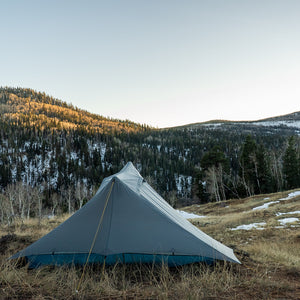
[17:03] Tayson: just move naturally. Yeah, good question though. Hopefully, that example, I mean, They say, whether it's between exos pack, like frames that are. I think the easiest one is to think about if you've ever driven a like a big, you know, S350 full-time truck, maybe Dooley versus, you know, a I don't like a RAV4, you know what I mean? Like the tuning of that suspension is very different for different purposes and and that's kind of what you get when you go with the, with the heavier, or a more of a steel frame. So, Okay. Daniel, this is a good one, good price, then quite a bit of time on this if we wanted to but we'll keep it nice and concise, Daniels asking. I would like to hear more about some of the Comfort camping experience is of the OV crew, not every trip, is an Epic Journey. Deep into the back country, please contribute, some of your tips and tricks, you use, when doing some Leisure or things, you do to get new hikers in the backcountry. So, This is really good one. I just recently took someone backpacking for really the first time. We also just got back from Coyote Gulch, where we were only hiking like seven miles before we set Camp. So to us on our crew, that's a little bit more luxury. So let's maybe talk about that. I think we can say something like car camping. Maybe for a different segment, you got questions about that. We obviously do that as well. Yep, let's talk about like shorter. Backpacking trips. What are we doing to bring in a little bit more luxury items or, you know, kind of like the newer hiker concept. What do we? What are we doing to make them comfortable
[18:37] Brigham: in the backcountry? First of all, is a. what I Try to like kind of keep in check, is I don't like to just kind of give myself some allowance that oh, because I'm not going as far or as deep or as quote, intense of a trip. Then now I'm going to That doesn't really all of a sudden introduced, like a bunch of extra things that I'm going to pack. This really gonna make my pack weight and way anymore. So, my gear list isn't going to change. And the purpose of that is so that I can add maybe a couple Comfort things that I wouldn't otherwise take. So, It. This could be like an overnight trip or a three-night trip. the amount of clothes and other gear that like, literally just doesn't even change, but I might bring A really lightweight chair that I can now sit in and maybe like Comfort. Some of that Comfort is just like the mental relaxation. So maybe I'm hiking into a lake or a stream and I'm just gonna take my fly rod. Like that's that's that's that's something that I do. I specifically take my my young kids, I take them backpacking quite a bit and that's like one of those luxuries because it is a luxury as a dad, to just hand a kid at 10 car Rod that like they can't fumble, they can't mess up. Real just sit on the river bank and watch them, hauling fish, you know, over and over like that is Comfort to me like that's that's a laundry area, that's a luxury and because my my kit is very light and minimalist to begin with like it. You know, you don't break a sweat, like you don't think twice about bringing a chair and then Pack does get pretty heavy when I start carrying extra stuff for for the younger kids. But um, yeah. That's a couple couple thoughts there. Yeah. So a couple
[20:45] Tayson: things that I've definitely done, so I'll just kind of go through those. Obviously I like to bring a chair when it's not too intense. I took a chair to Coyote Gulch show. I took a chair on this other backpacking trip. You know if I'm not doing more than 10 miles in a day I really consider ringing a chair. I guess that's probably my threshold there but like Brigham said my chairs are right around one pound so that's a one pound add for me. Something I will also do in these situations. For let's say if I'm bringing someone new in I'll do my best to get them all, the pieces of gear that they need, but they're going to have some of their own insecurities or things they're going to want to bring and so I would you know, classify those as luxury. They may have a specific jacket that they feel really comfortable in or specific things. They want to sleep in or things like that. And so I kind of a lot for one or two additional layers that maybe don't need to come, but it's like, its it makes them feel comfortable works for them. Sometimes I'll like on these things all bringing an extra pair of like underwear socks that I may not use if I'm going on a on a more intense trip. But most of the stuff that I would say become luxury would be, I bring maybe more food or more heavy food or even treats like more treats to share just little luxuries like that.
[22:03] Brigham: Those are like little indulgences that. It's not a big deal, you know? I mean like, mmm. It's it does make it.
[22:09] Tayson: Yeah, like all pack stuff in that. I know we won't eat all of this but it's like I'll just bring some more variety on this one or maybe I'll bring in, I don't know. Maybe it's like a fruit or something. It's like, I like I usually be a little more weight conscious on this but I'm gonna bring in an apple. This is too bringing an apple
[22:24] Brigham: just
[22:25] Tayson: yeah.
[22:27] Brigham: It's really nice biting into an Apple.
[22:29] Tayson: So there's food for sure. Games is something like sometimes I'll bring a deck of cards. You know, set a dice we have two long hacky sack tournaments down in Coyote Gulch in the sand, which I've never played hockey sucks. And so it's pretty high school. And fighting is I think the only person that got partially hurt was the youngest guy in the whole crew, trying to jump over a guy on a tent that was tied to a tree typical. But it was it was just he didn't see it till the last minute and we had to do some tent repair. So I like to bring the actually, the failure on that was actually really good. It did not interfere with the 10-in ripped Fabric, or anything. So it was so good. So we torture tester. Yeah,
[23:15] Brigham: anchor points run our interns through stuff
[23:18] Tayson: now. Um, Another one that I like to do with my kids well fishing I'll bring fishing gear, my kids love a hammock, I don't plan to sleep at like in this situation, I'm not planning to sleep in the hammock at all. They just want to hang out on a hammock swing around Lounge in the day, something like that. And for us like we sell lightly hammocks. So like a one pound hammock is not a crazy thing to throw in a pack and have a lounge option for those kind of like one pound chair per se. Um sometimes I'll bring I'll bring both of those. those are that's where my mind goes with some of these luxury items and that luxury things is just yeah, just add some of those, but all of those things together, I would say when I am doing a luxury trip, I might have three pounds over what? I need. To do that because I'm still waiting conscience. It's just but it just the most things add to the to the trips and these canons, right? And so things that things to consider. But yeah, um, I mean that a prey covers, most of the tips are tricks for leisure hikes. Something. I mean, There's all sorts of options, I guess. I've, you know, you can bring sandals for Camp shoes. You could bring the like these are all luxuries. I'm trying to think of like maybe an overarching principle
[24:34] Brigham: of how I look at this. Give yourself time but it Having time. Takes it adds a lot of luxury and comfort to where you're not stressed about finding a campsite you know, because oh yeah, Harker whatever. Just like, little things like that work. And where's that? Some of that time comes from planning ahead doing a little bit of research, Checking some maps out and doing a little bit of reading, just little things like that word. mentally, you're allowing yourself, some, some comfort by just being prepared to Let yourself be in the mountains relaxing for longer. You know what I mean? We do know books. Yeah, that's a good one. Yes. Sometimes earbuds like I don't take earbuds hardly ever, but that is something I do consider taking some times when it's like a more leisurely. Trip.
[25:32] Tayson: Yeah, I think, I think it's really easy. If you've dialed in an ultralight setup, it's really easy to add things back in that work for that trip. I think it's harder to come from. I've never done ultralight. I want to shave weight but at the same time, I want comfort. Like I think that gets more muddy. So my my way of thinking about this would be work on setting up an ultralight, a more of an ultralight backpacking system for yourself and then add to that as needed for specific trips. I think it gets really messy on a c. People that are like my base weight is more like 20 pounds. I'm trying to cut it down but This trip is like not that intense. So I kind of want to bring some extra things and then there can't, they're pack is still going to be. You know, the basement might still be 20 something pounds whereas for us our comfort, you know lists we might be go from like a we'll say at 11 pound base weight to a 13 or 14, pound base weight and that's comfort with luxuries to us. Not saying we're missing anything, we've just got the bass, the bass lines stuff. Out in better. So, when we add back, These were still. Very free light on the trail.
[26:37] Brigham: Yeah, one other tip that I have found. It adds a lot of just general comfort for like a leisurely trip. Maybe you hike into a campsite and you do a lot of just kind of hanging out Campsite in the mountains, it can rain a lot in the afternoon. I have sometimes brought a tarp and I'll just string up the tarp. Like around the general. Maybe it's around the campfire
[26:58] Tayson: or
[26:59] Brigham: near near the campfire area because it's pretty nice. I know in the summer months, you know, when it's raining to be able to still hang out outside of having to, you know, And find yourself to the tent for two hours during like the afternoon storms. It's it's Pretty nice to just be able to hang out, sit on a log. Sit on your chair under under a tarp with the kids.
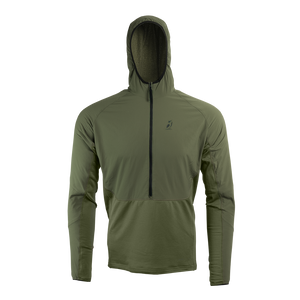
[27:20] Tayson: Yeah, Okay, we're gonna go ahead and Tackle this very last question. It's one that we do get a fair amount and I would say it was just got a maybe a slightly more definitive answer on this now, which is Why are there not color options on some jackets and you know, they going to be available. Like why do we only have hoods right? And the best way to look at for us. So probably be that in a lot of pieces. We've released so far, hoods are just valuable, and every single piece also, sometimes they start to feel unnecessary in a lot of layers, but And for the most part, if we're talking about, we're gonna release one piece because of the size of our company, in the amount of skus, the amount of products we want to have in our inventory and all these kinds of things. It's made a lot more sense for us to have the hoods. It turns of when a, when a hood list or a collared jacket, makes the most sense, I would sit. We both being agree that like basically a mid layer is more ideal to use that setup versus You know, I don't know, say a big puffy jacket, or a rain jacket, or something like that. And so, as we have expanded, some of our mid layer options, now we are going back and looking at Mid layers and considering doing some non-hooded versions of those. So yeah, it's it's on the design docket working on them. There's a year out or more, but it is, it is something that we are actually gonna currently working on testing and working on. But if you kind of an idea, it's like for a smaller company like us, you really just can't have a million variations of anything. And so we've got a decide on some of those things and for most things, they Hood provides value in terms of performance, which is our number one residue. Yeah. Versatility. but as we get a little bit bigger and and have more options to play with, in terms of maybe some of these mid layers, It's something that we we plan to, to add back in, to the, to the line. So, yeah. Okay. All right, thanks for joining us for this episode of askov. If you have questions, make sure to reach out to us and let us know. Again, you can go straight over our website, you know, pop up in the chat message, email support after vitals.com or go over to YouTube, there is some links out there as well. For you to record on speak pipe and give us an audio recording and that's just another way. But we try to make this as easy as possible to ask us questions, we're happy to talk about anything that relates to to backpacking gear or anything in between. So let us know. We enjoy helping people out, definitely aligns with our whole purpose is a company here to connect people, to the vital Outdoors. So make sure to submit these questions. If you found value in this chair with the friend, we always appreciate that. Make sure to subscribe. And we'll catch you in a future episode.