Tayson: Here's the big question, how do we live a life? Full of Adventures travel and memories on our terms without being millionaires without previous experience? And without unlimited amounts of time, that's the big question and this podcast will give you the answers. I'm your co-host Tayson and I'm Dave Kahn and you're listening to the live ultralight podcast powered by Outdoor Vitals.
Tayson: Hey, welcome to the live
Tayson: ultralight podcast. Today, we have a very interesting episode where we're gonna take you behind the scenes of what it's like to travel to other countries. Walk factories, build a relationships and And then all. So you know what that means as far as the products go the quality, what we look for QC, checks things like that. So that's going to be talking about today on the podcast. We're super excited. Thanks for joining us. Obviously we've got me tasting on the podcast with also got Brigham or leave designer here to go over this. He was all so present and went on this trip with us to Vietnam and so we've got him to To talk a little bit more about this. What that was like for starters, I guess. Let's let's lead into we're just gonna actually go through this. Podcast exactly how it laid out for us. So, we were pretty fortunate. You know, we, we think we barely made the first flight was that we've flown a lot together. Seems like lately. This is the one where we almost didn't make a flight. And that got a little little fun there for a second. Yeah, it was a little tight. but anyways, if you've never flown internationally, it can be bundles of Joy flying over there. You know, seat selection things like that. I definitely did not win the lottery on the flight over there. I got I paid for a full seat but I got half of it for some reason that wasn't the funnest situation, but we got there, it was late, we were all tired and we hop in the van to take us to our hotel. and, Much to our dismay is supposed to be like a 20 to 30 minute car ride and we get about 10 minutes into this thing and we just start seeing people covering the roads and waving flags and honking. And Stacking, you know, five people on a scooter to to get from point A to point B and after a while, I think we finally realized something something's going on, this isn't just an average. I don't even know what date
Tayson: a week we landed there but
Tayson: We were. We started to write something was going on. I think we looked it up on our phone and in Vietnam, I just won. I think the southeast Asia soccer games or something like that. Right?
Brigham: Yeah. I was like, the southeast Asia cup. Or something like that.
Tayson: Yeah.
Tayson: And So the streets were flooded with people. Every single person had
Tayson: a Vietnamese flag
Tayson: in their hand. And drums and whistles and whatever they could they could
Tayson: make noise
Tayson: with. And our our car ride went from, you know, a good solid 2030 minute car ride to what were we an hour plus hour and a half? Maybe in the car and then we ended up having to walk the last mile because they just closed down the streets. People just went Basically parked in the middle of the busiest, downtown streets. Set up camp and just were having a great great time. We're probably gonna edit some of this footage together all, so, and put it on her YouTube, channel Adventure, so you can get, you know, so you can see maybe some behind the scenes stuff of what that was like, but definitely Fun. It was It was kind of infectious I guess to see. just these years and that they had he couldn't help but even though it, like, made our miserable long travel experience to get to Vietnam longer, you couldn't help but smile and just kind of laugh about it because everyone was just so dang happy, everyone was happy to see us you know, you got white guys walking around over there and they're just just wanted us to grab a flag and party with them, but Anyways, that was a good time. That's kind of a side note. But we flew into I'm gonna forget the name here annoying and we were meeting with Tori first and so we were going to walk the Tory Factory and and meet with them and so we The next morning we got up and we hopped in the car and we headed out to go visit this Factory in Walk the factory. Am I missing anything up to this point? Bring him anything of notes to to go over so far. No, I think we're good. So, so Toure
Tayson: for those of you that might not know,
Tayson: Tori is, is our supplying the fabric for our pants and they also have manufacturing partners and we wanted to go and look at their manufacturing partnership and just see the quality level. That the factory
Tayson: was.
Tayson: That was it was would be sewing, cutting and sewing this together and if that was a factory that we wanted to use and so we we came in and we started walking around this Factory and I would say
Tayson: the most, the most overwhelming thing that I felt like we felt when we were walking this Factory,
Tayson: specially compared to some, some other things that I had seen is it made me realize one, how complicated apparel can be to manufacture how Each individual, little piece can matter so much and then all. So it was just super impressive to see the number of individual checkpoints for each thing. So as we're kind of watching some of this footage ourselves and talking I wanted to know, I wanted to know something here that to give you an example of what I mean by this. One thing that I never realized, never even thought twice about specially. I don't know when it comes to apparel is when you, when you die, a big role of fabric. It's possible for one end of the roll of fabric to be slightly different color than the other end of the rule of fabric. you know, I'm not expert in this but it's possible to just have small tiny changes in that role of fabric and so when these guys go to cut I'll say jacket out of out of this fabric, they actually go. And they number, you know, 1 to 50 because they stack their layer, a bunch of role like the fabric just layer it. 50 507 all the way up to 50. Right? And then when they go to make that jacket, all the one patterns go together, all the two patterns go together. The three patterns go together and, and they do this to make sure that that on a finished good. There's just no tolerance. Is you don't get a sleeve. That's even slightly a different color than the rest of the product. And so that's the kind of stuff that I was. I was just definitely surprised by and I hadn't walked a ton of apparel Factory to this point, but those levels of details just really
Tayson: stood out to me. The other thing that I thought was was
Tayson: super interesting as we went through, this was just the fact that All the different checkpoints starting with the first checkpoint was when they when when this Factory when they even receive the the roles of fabric they have someone role, they have a machine essentially, where they put this fabric on and they roll it through this machine and they check the entire length of each individual fabric roll for any kind of defects. And if they find any defects at all, they go and they mark them and they Take that piece of fabric or that that section of the fabric out if there's a thread that's that's Miss stitched or Miss woven or anything that they can find, they do that. Before they ever start cutting and selling the product together, which I thought was really interesting especially because a factor like this only runs premium premium. Fabrics. another point just right off the bat, as we kind of walk starting through that factory, that's really impressed me. I don't know, any thoughts on some of the QC or different things that you saw when you're walking this Factory initially,
Brigham: Well, I'm kind of just to repeat the like the whole giant Warehouse. Or they just keep all the bulk Fabric and all the, all the materials and textiles. I was just way cool and to see, I mean it's there's a human being checking every single role. that that goes through there, you know, they do things like they'll they'll sit in one room for a certain period of time to stay kind of like to stabilize temperature and humidity before they even start. Moving towards production you know unrolling it and checking the whole roll and then once it's passed that check, then it's been cleared as of good quality to proceed making a garment with it. So it's pretty impressive.
Tayson: That's true. I forgot that they basically have like fabric resting rooms like and that and I think that they have those both on both ends of the spectrum when they and I might be overlapping Fabrics. But I remember there was there was areas where they would. They would rest her or whatever the fabric at a certain temperature or certain humidity level before they'd ever package it. Yep. And then it would also do that before they ever started to work with with it, which again, was super interesting. I guess what's interesting is is when you walk a factory like this, what I kept finding is they would have another level of QC or another level of quality. Like like something that would up the level of quality in places that as soon as they explain it to me, oh, that makes perfect sense. But the amount of like knowledge built on knowledge, over the years of producing, so producing for the highest in Brands you could just, it was pretty overwhelming, almost just to just to see how everything linked together, man. They've thought of everything like they, they almost couldn't mess this up. If they tried with, with all these checkpoints and all these Preventative measures that they're taking it. It was just Super, super impressive. It's pretty cool. And again, if this podcast seems a little bit different it's because we're actually watching some video footage as we go through this and it's it's changing the dynamic a little bit but I believe it was in this Factory also where we got to kind of see a heat transfer print onto something if
Tayson: you remember that.
Brigham: Yeah, he transferred dice sublimation,
Tayson: I'm really cool printing. Right. It was the dice sublimation. That was really interesting. Yeah. Right. Because you could basically pick out 80 pattern.
Tayson: And make it line up perfectly.
Tayson: Like, you could get a line from the sleeve to go straight onto the chest and then straight to the other sleeve through designing, and then printing exactly how you wanted that
Brigham: pattern, just 100% consistency of Any Given pattern, really
Tayson: Yeah, and it was, it was definitely pretty interesting to see some of that Machinery as we were walking through here. As we saw some. I mean, they do some things themselves even that I wouldn't expect them to like they were making some logos. Some rubberized logos that they were gonna still honest and BMW jackets. Since we were kind of watching them, make these rubberized logos and that was that was pretty interesting that that's just hand done. That's not even Machinery. That they're, they're literally, you know, putting in this Red Rubber around here and then they're printing in this blue rubber here and so on so forth. Is. yeah, I'm just looking for some other things here as we quickly go through this, but Overall, I guess what? I was just again, blowing away with was just the quality. I think they walked us through some of the testing facilities as well. Here, we definitely walked through some of the testing facilities at the yarn areas but that was that was Tori after we walked the factories. We got to go through their sampling room and spend some time talking about our own designs and our own samples. And what we were looking at. And that's something that definitely can't be underestimated, and that is just the relationship side of working with the factory, working with fabric, textile mills and and So forth. When we, when we are able to go and meet with them and see. Maybe other work that they've done, sea Fabrics that they're currently releasing and bringing out. It really gets the wheels spinning as far as what things, we might be able to do. It opens up a ton of options for us to be able to design going forward and then all so just do things that are totally custom to us as well working. You know, we're that second part of the day where we're just in the sampling rooms and we were talking about our own designs. Did you have any thoughts on? Just what that's like. I mean, this is, I guess, essentially, this is your first time walking a factory of this nature, right? I'm like you've you'd walk some us factories, but this is kind of a first It's something quite like this.
Brigham: Yeah. When we get into, you know, kind of our meeting rooms and After walking through like every step of the sewing cutting and sewing process. Yeah, it's kind of it's really cool experience. It's really I think of it as just really like important part of the development process, whether it's something that we're currently working on, like like say our pants or whatever or ideas that we may have. but then, even a step further, just they almost like just opened the book and say like here's what's that you know we have all these amazing Technologies at your disposal and that introduces so much ideation and just like, The creative process and thinking, wow, look what we can do. I like it reminds me of When I was like, right out of high school, I worked in like, Automotive, like shops and every I can't remember every Friday of the week. Like the Mac Tools truck would come and the salesman and he have one person coming into the truck at a time and he'd show you all these cool awesome like really sweet tools. You know that would make your life easier. It's kind of like that like going into the tool truck and being like wow like look what I could look what I can do with all these tools. That's kind of like going to these factories and meeting with these are, you know, having the relationships that we have Is just kind of seeing what? Like, our options are and what we can, what directions we can go. It's it's really cool.
Tayson: Yeah. I mean, we often and I believe we've said this on the podcast, but sometimes, Sometimes design starts is almost almost like you learn about a new technology or a new something that someone's developed that that as soon as you hear it. It's like you just connect two dots on those where it's like, whoa, this would work amazing in this application where we've been having this problem and so on and so forth. And so, walking into some of these sampling rooms and, and learning more and more about their capabilities about their Their current designs. That's where you just start connecting these dots and be like, whoa, what if we took that and we made it this way, or we changed this, and we made it specific to us like this, or we took this Fabric and put it with our Loft tick insulation or someone so forth that really
Tayson: like is seems
Tayson: like like when you bring out the finished good. It's like so Innovative and whatnot but a lot of times for us it's It's just having as much knowledge as possibly can and then connecting and connecting dots. It was definitely at this Factory where we, we had some really cool ideas for for future jackets. that were still kind of looking at and working on and and then, you know, it just it just steamrolls, you know, the more information that we've got with the next piece, the next Piece and you know we're even playing out ideas as far as like using some of the information we have for jackets and sleeping pads and I mean it just all steamrolls and so that's a really, really fun part about going through the sampling room and sitting down with them. The part that was just really interesting is we get to, you know, we get picked up at the same Hotel. Is the Reps that we deal with. We can spend the whole day with them
Tayson: and, and then even, you know, you leave
Tayson: the factory, you go up dinner, and it's just a really great opportunity to build a relationships with them and that that volume that that I guess I've learned over the last five, six years that I've been that I've been doing this is a really fun area
Tayson: to develop because It's hard to pinpoint
Tayson: how it benefits us, but it benefits Us in so many ways that human capital side of things. It's just
Tayson: so, so beneficial. That was mainly the day. I did want to reverse first second
Tayson: and go back and talk about the factory itself and the workers there. I, so having having spent a few years with my life in Malaysia, when I came to Vietnam, it just struck me. How similar the Vietnamese people were to the Malaysians that I had got to spend time with in my life. And I really enjoyed the and I realized what I really liked also about this particular Factory is they had an on-site daycare. That they were able to bring their kids to until they were old enough to, you know, be going to school. And then this is the one that the really blew me ways when I was, when I walked factories in other countries and whatnot, I hadn't seen anything quite like this and that was that The amount of scooters that this fact that the amount of parking for scooters that this Factory had was mind-boggling. And and I just wanted to point this out. It's I mean one me and bring them were nothing but overwhelmed the entire trip at the amount of scooters. We'll get to that in a minute when we went to Ho Chi Minh City because it's just got worse. But what I did really love about seeing that many scooters as a told me, something, when I've walked facilities in China, And and you show up to facility and there's no scooters. So not, they usually means that there's dormitories and the dormitories I'm less of a fan of the dorms because that means that they're usually not like going home to their families every night, or maybe they've traveled from the countryside into the cities
Tayson: to
Tayson: work. And it's, you know, that's and then they're sending their money back to their family and they get to travel back when they can. But Personally, if I, if I'm able to and in each country, it's different right? Like, I'm sure if you went to Ethiopia where there's some factories that maybe one day we'll get to be into, maybe they've got dorms because they're just not far. Enough. But, but here I really loved seeing all these scooters because that meant that they were able to travel home every night
Tayson: and
Tayson: spend time there, which usually is just means that this is just a better situation for families, better situation for everyone. So, I love to see that. I love to see the amount of
Tayson: scooters, even though,
Tayson: when we got back on the road in the car, I hated those things tanks. They're just wild, but But I that's just an inside little that scooters usually means that it's just a better, lifelong work situation where they don't have to they're not living in the factory as they're getting all those things. But the factory does it did have daycare, you know, it was providing them lunch. They had that big massive cafeteria and you could tell that the the relationships. Also the inside the factory could tell there was a lot of friends. I mean, we were at one point, everyone was running to lunch and you could see them all congregating and getting in their little cliques and friends and things like that, but I did just want to point that out. So after we finished this day we go and we have dinner. We the very next day we hopped on a plane, we headed to Ho Chi Minh City and that's where things even got more exciting with traffic. So just for reference and I'm gonna forget these numbers exactly, but Ho Chi Minh has something like Oh, was it 10 10 million people in the city? But they have, I think between 7 and 8 million mopeds in that City. It was unbelievable. To traveling experience. As far as trying to get from point A to point B, I've heard of different things for some reason to Malaysia. I never had that level of, there's lots of moped, something wrong, but nothing nothing quite like this and I think it just made traveling in a car a lot harder, you know, it's you had mopeds everywhere. You went and so you just had to be so much more careful as Zip by you. So I think when we, when we got in to Ho Chi Minh
Tayson: Turned
Tayson: pretty cool downtown area. We could walk around with not. But the next morning when we went to connect with new yarn, and we went to their cutting soap Factory. Think on paper, it was like 10 miles or something like not far on maybe 15 but it was a solid hour drive. Yeah, it took a long time. It was it was a solid hour. and that was that that's just That's your experience when you're in those areas. So so yeah. So so we meet up with new yarn. We have a quick meeting with them, the day that we landed and we were looking at some of their Innovations and that was really cool because There is kind of like their their personal sample room and that was really cool. We had some really cool, they have some really cool technologies that we have like we're just starting to scratch the surface. I feel like with what we can do with Yarns, whether it be going into Ultra Lite categories with wool, whether it be going into thick more Burly options with wool or whether that means we're going into socks and different technologies that would make You know, using them a superior option. So yeah, if you have, if you have opinions on what you think we should move forward with first, let us know. But we definitely have lots of ideas with new yarn and some technologies there. And again, we got to this is actually day. We got to meet with another one of their designer. Someone we actually had never met before and he got to sit down and talk to us about Dragon Ball. He was the one who really designed Dragon wool and read. I remember him. But
Tayson: yeah.
Tayson: And that was that was a very interesting conversation. You could tell just his breadth of knowledge. We got to learn his backstory as far as professional backstory. And it wasn't what you would expect. I guess he worked in some fields that were super technical and scientific and then kind of made his way into the styling industry. But yeah, it's just it was super cool to sit with them and again, just ideas flowing, really good to just to just connect with them on a personal level and develop, some of those human cash Capital relationships and yeah, it's a good time. So, the next day though, we went to the
Tayson: the cut and sew facility. and,
Tayson: Again, it was basically. Same experience that we had at the last Factory, just very impressed the quality. Now, we were definitely looking at and pairing kind of some of the the differences in the way that the wool factory operated versus this other textile Factory operated looking at the same QC processes. So, but again, it was it was very impressive to also see the different precautions that they took to work with wool specifically and why, you know, coming back to some of the resting periods or time periods or temperature things that they were able to do and that they manage was was very interesting to see first-hand, how they manage some of those things. At this Factory. All so is where we got to see some some newer technology. I feel like They had a computer system that would that you could pre-program to do. Basically to cut out or sew zippers on the fabric or you could program a new certain functions and basically it was automated manufacturing and they was still very new. It was still something that that was A very small section of the factory, but you can tell this Factory was one that was on The Cutting Edge of technology and it definitely got the wheels spinning of like you know, how far are we from being able to make products? 100% automated Which is kind of gets into another. Almost more political side of things. But, you know, I I love how how factories can come into these countries and, and literally change their countries in one generation by providing so many jobs and so many opportunities. And that, that countries changed forever. But eventually, we're going to kind of work our way through these these countries. And that's where, when I win, I guess, I hope this some of these types of technologies that really taken off so the manufacturing can go to a full automated type system but it's well on its way. And I was definitely impressed with some of the Machinery, the level of skill that and they told us like how
Tayson: precise it was and and how it took
Tayson: so much of the human error out of things and so anywhere that they could, they're utilizing this machines to sew on a zipper or do something like that and it was just perfect every single time and that was just really cool to see some of the ways that they were, they were pushing the factory for and To, you know, stay stated the art with everything that they do. any other thoughts as far as things that jumped out walking the wool factory here and Are we
Brigham: going to talk about the
Tayson: Knitting Factory separate or yeah, that was, was that the same day?
Brigham: I mean, it's I think it was, or is it the next day that we did the Knitting Factory?
Tayson: Yeah. That was, that was my
Tayson: Recollections as we walk through this Factory and then the next day we were able to do that, but it was fun when we got there. You know, we went back to the sampling rooms. They had stacks of our samples already already sewn and and put together we got to see them for the first time. Somebody's it was our it was kind of our first time that we got to see them and that was just that was really fun to see some of our own finished products done and and whatnot right there. And then we could also give just immediate feedback
Tayson: and get down on some of those those Loops, but Yeah. Overall this this particular
Tayson: meal and this this just kind of cracked me up on a this particular place was selling you know high-end Fences wool fabric, right? I mean, the wolf fabric that we're using is the most expensive fabric that I have, I know of, I guess off my head. I mean, there's there's probably more but I don't even know where that is cost per meter off the top my head. But this is some high high-end Fabrics in another thing, this Factory actually. So which kind of cracked me up was was high in swimwear and they talked about how important it was but it was just exact. That's why people come to them to do some of those High high-end swimwear. We're talking like like Female swimsuits that are, I mean, I know people listen to this podcast, probably don't go out and buy these. But I mean There's some very expensive, women's swimwear out there, and that's the kind of stuff that these guys were doing and just talking about them about the level of detail and and precision that has to go into those was super interesting. So any other thoughts or anything that transpired from that day, before we headed out,
Brigham: Nothing that we haven't really covered.
Tayson: Okay, so we headed back to the hotel that night. And then the next morning I made a pretty fatal mistake on the way to the the next Factory. So the next thing we did was we wanted to go to the wolf Factory. This isn't where they were making the yarn of the wool that rather where they were selling it into the sheeted fabric. And on the way there, I was stopped by a convenience store is either in the night in the morning but I was anyways. I went to get a Red Bull and when I went to the convenience store to get this Red Bull, they had two red bulls. They had the Red Bull that looked similar to the ones in America and they had this other Red Bull. Can it was completely different but a set Red Bull on it. It could not tell if it was a knockoff or just a
Tayson: Vietnamese version.
Tayson: Should have known right there. The fact that they have the other option. There was dead giveaway, but man, I I took for the cheaper option because I could buy like three of them for the price of one. And on the way to this, this Factory. The next morning I got in a bad place there for a second. It did not sit very well with my stomach and that was a whole other experience. So when you're traveling, just remember to, to not buy, the knockoff versions of things because apparently, they're not FDA proved items all the time. So anyways, this is pretty cool. We got to go to these facilities that were manufacturing. These different textiles. One thing that was really interesting about going to these particular fabric mills is the big boys. I mean the big boys, they plastered themselves across these factories. plaques and signs, you know, North Face signs here, and Nike signs here and just You know, Lou, lemons signs here. I mean it, they were everywhere. I they've got their code of ethics up on the wall here and That was, that was pretty interesting to me. I guess to see that. Just I don't know. That was something I guess I hadn't seen but I was pretty interested to see some of that. So this particular Factory definitely what was the most interesting thing was to see how they were going to to weave the wool yarn and the polyester yarn and make a single fabric out of it. So that was that was some of the the fun was going and seeing all these massive machines. They have the skill you know, on the expertise building, these two Yarns together into a single fabric. That's not a single fabric at the same time, you know, because the keep them so separate on the dragon wall. But that was Just really, really impressive to see some of this. Machine, any thoughts on on some of this Machinery in particular? Well just like
Brigham: everything else related to our manufacturers, like they were so stringent on, not just the quality of the machinery and the procedures but like the quality of their the factory environment. So there's certain Knitting machines, where they would each individual machine, would have to be isolated in a, basically, a, and a walled place. because of like the minut amount of Basically wool, fiber dust that. When you're like, knitting thousands, upon thousands of yards of knit fabric, it eventually will accumulate enough dust that it can cause problems and so they're I mean, they're just paying attention every single detail to Like improve efficiency and improve the quality of the textile before. It even turns into a roll of fabric. Yeah. Yeah, that's true. Because you'd walk
Tayson: down these
Tayson: aisles, it would just be like isolated machine after isolated machine. You'd go in there. You would see how they were managing Tense. And Things. And, yeah, I was just, it was interesting. Some of the machines were in completely separate rooms somewhere, just sectioned off, depending on the level of isolation that they needed. But it was. Yeah, it was it was definitely interesting. Another thing to note about this, which was this was Something I quite enjoyed about walking. This Factory is it was a it was a blue sign approved Factory and so we got to walk
Tayson: through
Tayson: their dying, the dying section of the fabrics and then we also got to go and see their water treatment plant and that was that was pretty interesting to see. Differences of the water how it's all treated. I guess this was one of the almost one of the stage, one areas, where this type of Technology was happening. And so we kind of got a little bit of a history lesson on walking them through the how that even transpired into, you know, managing their own water and recycling it and reusing it, and cleaning it and going through all of those those procedures. But that was definitely interesting to See these pools of water, how they're treated. Well, this is another really interesting section too was when it came to fake, how they would do, like their paintings, right? Is they, they had these rooms and these machines that you would basically punch in codes and these machines with able to dye the fabric, little swatches of the fabric, at least to get your exact coloring. What's your exact coloring gonna be when it shows up on the fabric? That was How that worked as well. I I enjoyed that it was, it was like, more simple than I thought the machines were incredibly complex, but it made its kind of more simple for them. I feel like to get the pain Tone's, exact fabric, swatches and colors. That that I that I
Brigham: Yeah. I mean it's really just you know here's your basic colors and make a recipe to come up with this color code. And that's like when we do lab dips, they literally is a lab where there's people in there, basically mixing up a recipe to come up with the most exact color that we want.
Tayson: Yeah,
Tayson: yeah. So I enjoyed that machine. That one that was a lot of fun to see go
Tayson: on through the rest of this. This particular Factory. It was it was interesting. Okay. Here's here's an interesting one was, when they got to walk through the fleecing area, where they would. Fleece the fabric essentially. Which maybe this is a good time to just stop and have you bring them explain a little bit about what what that is. What is fleece mean? Because it kind of means different things to different people. I feel like, yeah.
Brigham: Are you talking about where they were brushing the? Yeah, sorry, yeah, sorry. Um, yeah, it's It's I guess maybe it's like exactly what it says it is except the way it's configured. So they literally brush a roll, a giant roll of Fabrics say it's wool but then they roll it over a giant. Like rolling pin. It's a big cylinder or a drum, you know, that's spinning. It has these little bristles like a brush would, and depending on how brushed you want that space, it will brush it very like barely into the surface or deep more deep into the surface to give it more. Lot more of a hill or a pile. And so, yeah, it was, that was pretty cool to see the Brushing machines,
Tayson: like, I guess in my head, I just thought that a lot of the products are not the. You hear like breasts or you'd get them and you didn't you didn't maybe didn't even know what that that quite meant. But I thought that was just the way they were needed. A lot of times personally seeing, you know, just the finish product, you get the finished product, you think it out, but but, no, I like their, sometimes, they're running things through this brushing machine, three, four times that like, depending on how brushed they want it. But basically those brushes bristles are just
Tayson: almost
Tayson: chewing at the fabric in a very controlled Manner and lofting it up and bringing it up and I don't know why I found that just a very interesting machine as well to watch work and to See work. And so that was, that was interesting. And then they did take us up to this area where they were doing a lot of their, their testing and They had all sorts of different tests that they were kind of walking us through. But it's basically this corner of the factory
Tayson: where they, they
Tayson: run, just all their tests, whether it be a brake test, whether it be Let's see if I remember all these different tests. I mean this one that I'm looking at right now, they basically have these mace balls that would smack on the fabric and Just just a handful of different really interesting tests that were pretty and cool to see. So, see the actual Machinery that was doing the testing. Yeah, any comments on the testing facility here just really cool. I mean there's all like
Brigham: in textiles. There's There's a host of official, like, testing procedures and they have like, they had the whole gamut in there and it's very laboratory old. It's I mean, it's like a science lab in there, you know, and that one that we're looking at right now, is the There's basically only two people that were authorized to work in that room. Do you remember that? And so like you know we're pretty privileged to be able to go in there but it's kind of like don't touch anything because it's a very double door. You have to double door, one door has to be closed before you open the other one. It's a very controlled environment because otherwise your your fouling, the results of all the of all the testing. So I love seeing that kind of thing.
Tayson: Yeah.
Tayson: And and to see this in the factory, it also is just to get opportunity to see again just the level of quality that they're accustomed to building to and the testing and the procedures that they adhere to. A lot of times, you know, the first thing you'll ever hear, if you ever talk to a faculty, we make high quality stuff. But like just it doesn't mean anything. It's like it's almost like a mean something different to other people. but like, To go on, walk the factory and see it first hand. You have to, to really know what what you're getting into because everyone will say, lay claim to different things. And so it was, it was great to see this. And I think what was really interesting to me, too about this was the level of depth, you know, we not only walk the cutting so Factory, but we got to walk the fabric Factory and and it kind of see the stages and and it's true though like When you start working with a high-end Factory, they want to work with high-end Partners which would mean you know if they're high-end cut. And so they want to work with a high-end textile fat you know fabric partner and and then textile fabric Partners want to work with the high-end the red provider or so on so forth. And so it was it was interesting on this particular day to just kind of go through those those different stages and go from kind of all the way down to the thread itself. So that pretty much wraps up that day, and then we we closed that day and headed into another Factory, but Real quick, I guess working working and walking the New York Factory and
Tayson: talking with them. This definitely definitely excited to be
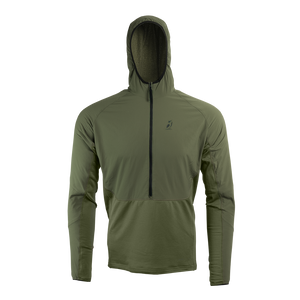
Tayson: to be partners with them and to open up, you know, chapter of using Merino wool and using it in a different ways. It really is, you know, better Marina and the way that they do things, affords us new opportunities which you'll see continued to come out over time. But, you know, starting with the dragon wall, It's just such such an impressive fabric, the way that it works with it. It was, you know, so and put together in these Fabric in these Factories. And Then obviously the performance for the listeners. So just real quick, I guess pitch here before we move on to backpack. The backpack Factory is if you are listening to this right now, The both the pants, and the wool, both the factories that we just talked
Tayson: about
Tayson: those the pants and the wool are on a Kickstarter right now. And if you are interested in these products, if you pre-order them right now on Kickstarter, you do get a big discount. For for helping us kick, these products out the door. And so, we're super appreciative of that, but I can promise you that if you do, take
Tayson: that plunge, you're not gonna be
Tayson: disappointed at. These are some really impressive Fabrics, really impressive designs, say so myself. And then also just the level of quality on these is I like I said this way. It's the highest level stuff that we've probably done here afterwards. It's sets a new bar that we are working
Tayson: to adhere to in
Tayson: every way that we can so super impressive stuff. The next day. We headed to a new Factory and this Factory was actually for something new which we haven't talked about much on the podcast or anywhere else yet but we're getting pretty close to an end result. And so it's probably time to start talking a little bit about that and that is backpacks. So we have done backpacks here in the past and we have let those expire we no longer sell those backpacks, really, or at least produce those backpacks. There might be a couple still floating around because we went back to the drawing board when I design a totally new backpack. We also wanted to look at different manufacturing, different fabrics. And, and just just build an entirely different pack for, for really, kind of a different audience than that other pack even adhered to as well. And this was, this was a very, very important meeting. I feel like we have this day and it was also really, really exciting. So we got to go connect with us backpack Factory. And learn a little bit about them. That, you know, we sat down, they explained a little bit about their company. They talked a little bit about some of the things that they have done and we got to tour that facility, I guess. This Factory. What was? So interesting to me, one of those things I just talked about purely Impressions. This Factory has a extremely high quality reputation
Tayson: for quality.
Tayson: I actually had. On a product that came out of this Factory before I ever knew it came out of this Factory or anything like that. And I remember getting it and I remember looking at each thread and each Stitch line and each part of the the backpack and I remember looking and comparing it all. So to A different product that I had. That was American made. And that, that product. Like when I compared them to not, not that it has anything to do, but it just goes to show, I guess the factory is really where the quality is associated with, and that, that was just so mind-blowing to me to be able to see the quality of this Factory turned out. So it was really cool to fast forward like three years down the road and then go to this Factory and walk it and see firsthand. You know how they do things as far as Impressions go one of the first things off that I was really impressed with is these guys produce a lot of packs, a lot of high quality packs for the for the big boys of the world. And they, their capacity is Really large.
Brigham: Yeah, it was pretty mind blowing when they They're not bracket Ocean's either about it, they're very humble, but they're still, you know, if you ask them a question they tell you and the numbers, they're throwing out with like their output is insane. Like if it really is mind-blowing, like, Yeah, like a minimum order for us.
Tayson: A minimum order for them was it would be like a big
Tayson: Step for us. And I mean, that doesn't really happen in many places ever especially with backpacks. I mean, we've ordered backpacks it almost the sixth of the quantities as these guys want for a minimum order. And so I pushed on I said, well could you could you go lower on the quantity just just feeling around. There's like, we can't because we will produce all of those backpacks in three days. And if we go less than that, we can't hit maximum efficiency because we just don't have enough time. We'll produce your packs in one day and like,
Tayson: we can't hit any kind of like repetitive
Tayson: efficiencies at that and that blue I think I'm just like stopped her tracks like Say that again, you're going to produce that many packs. And read days. Just because I mean, again, they're just producing For the, for the big boys that are moving. Apparently, just an astronomical amount of packs, so that really shocked me but Again, going through this walking through, I mean, they're they're sampling room alone. She's me, there the sample. So there's usually a section of the factory used to have Just where the samples are made, they're sample. So we're alone, was his biggest. I swear, some people's factories would have been, like, 200 people, just sewing samples. Like, I know what that means is. Like every prototype is so by a sampler, you might say. And so We have, in fact, we got a four samples yesterday that we're staring at right now and those would have been sewn in this area. But they have 200 people running that which was crazy. But what was so cool about these guys is their efficiencies at like so good. You know, by the time we place an order to the time we receive it. The lead time is extremely short, they're just extremely on top of things. And, and that was really cool. And then just to develop some of the personal relationships side with them to was was a lot of fun. They were able to actually later since this Vietnam trip, they are introduced us to some fabric textile mills that I'm going to some really really impressive stuff. They can design custom fabrics for us and that will be going into the pack that we're super excited about that. We won't discuss yet but you know, we've been able to design a pack that is just custom from the ground up in these guys, definitely were the leader on that charge. As we walked around this particular Factory, this is actually the day I got the
Tayson: Red Bulls days. Next
Tayson: up, this is the day. I wasn't feeling too great so I was I was all I was kind of checked out through some of this but any thoughts on anything else as we walked through these Factory, the factory and
Brigham: Here just more related to the, to the people that we, you know, got to deal with for being such a big player, you just wouldn't have any idea talking to them. You know what I mean? Like the, what the number two in the company came in he and he just talked to us, like, we're sitting at her, you know, hanging out at a bus, stop or something. He was just so nice, and Not, I don't want to say unbusy. That's they're not kidding. When they say, you know, they make an entire order packs and three days.
Tayson: Yeah. Yeah.
Tayson: It these guys they were they were they were personable and I enjoyed being around in the lot and I've enjoyed it since but they run a tight efficient ship around there and it instills a lot of confidence. It really does. They know their crap you know exactly what they're doing. They do like one thing, they make just packs and they do it really well.
Tayson: Really, really well. I mean going back to
Tayson: The stuff that I've personally seen, it's been super, super impressed by itself, that was definitely exciting. We've, we've since got to work a lot with them, go through a few rounds of sampling with them work on Fabrics with them, and I'm very excited to be able to release a backpack at some point in the future this year. So we're we're close, we're real
Tayson: close. In fact, we got
Tayson: samples like yesterday and we're we're Gonna have to make some minor tweaks, but it was, it was close to being a finished thing. We just want to make sure this thing is dialed and perfect. We'll be taking him out on a trip. So, I'm sure if you watch our YouTube channel, you'll get a sneak peek of our packs. But definitely definitely excited about them what their capabilities are and and then just the manufacturing side of what they're capable of. So, It's kind of a wrap on the Vietnam, trip, what I on the way home, you know, I guess we we made up for what we lost on the first leg of the trip. So, on the way home, we were this only happened to me twice in my life, but I got a full Row in the middle section row on the way on the flight back, anytime that happens. I feel like I just Won the jackpot in Vegas. I mean it was it was great. So made up for the crappy flight over long, long days. It's it's something I really enjoy going and visiting the factories I absolutely do but it is it's no joke on the family. So you leave at home when you got little ones and
Tayson: Different
Tayson: things. And so we take it. Pretty seriously. As far as getting some work done, I know that the next time I do want to do a little bit more traveling and maybe enjoying that that flight more than just for business, but we'll get to that as far as some some things that we're looking at in the future and hopefully get to do. But, yeah, overall, I mean, any other thoughts on your first trip to go walk Factory, East meat, meat factory and work with them?
Brigham: it was just very, very good experience in terms of I think the biggest one word I would come up with this productive. Like it is so productive. Of that time spent there. in terms of getting work done that we're working on is turned in terms of product seeing capabilities and seeing the materials that are at our disposal and then it It just energizes the the future product category, meaning like it, just Sparks so many ideas when you can see what's possible. so productive in terms of, you know what we're doing over here,
Tayson: So yeah, yeah. I mean, we have a policy on here that we That I that I want to walk every single Factory that we ever consider using and and so that's part of why we go over there. But yeah, definitely. The level of productivity from it is it's hard to put a number on,
Tayson: I'll just put it that
Tayson: way because you're you're benefiting and future your benefiting. Now, your benefiting quality, you're benefiting and dialing in samples, your benefiting in relationships out with these, with these factories. And, and we've had like it, like I mentioned with the backpack Factory is we develop our personal relationship with them, you know, it turned into a relationship with the Fabric Mill. That provided That are that's going to be providing our fabrics for our backpacks and so on and so forth. So it all just plays together and they are super productive trips and I love it, I love to go see the people making the stuff personally, I love to people probably think I'm a creep around there. They stare at me. I started them, you know, white guy, walking their Factory. They're all staring at me. And I'm, I'm staring back at them because I love to just look
Tayson: look at them looking right
Tayson: in the eyes and just like, Try to try to know who they are and see that. And that I've kind of been inspired on our next trip to to film some specific videos meeting and talking with some of the people in the factory that are That are actually doing the sewing and things. But yeah, I just I really enjoyed it, but just kind of I really wanted to put this podcast together. I've been wanting to for a while just to talk about some of the processes, some of the things that are just so behind the scenes, no one really talks about them. If they do, it's in this like press style fashion of like one minute. Behind the scenes, you know, it's like you just don't really know what the heck's happening. And so I enjoy podcasts for being able to just dive in and explain those things. So, anyways, we're gonna wrap it up again. If you want to go jump on the kickstarter while it's still active.
Tayson: You can you get
Tayson: those products at a big discount compared to when we're shipping them later in the year they are super Quality quality products. We already there already booking out the fabrics for us. We are starting on production
Tayson: as soon as we can. And
Tayson: And just been super exciting. Also, you can always check out our Instagram. I just ran a seven-day challenge with dragon wool. You can see how that went, as far as sweating in the dragonwall and odor development. And and then all those on our YouTube, we're doing some other tests. We've got some fun plans for some more other torture tests and different things with the products. So go check us out there. But thanks for tuning in to the podcast. We'll be back soon. Let us know if you have any comments and we'll, we'll catch on the next one.