Tayson: So, here's the big question, how do we live a life? Full of Adventures travel and memories on our terms without being millionaires, without previous experience? And without unlimited amounts of time, That's the question and this podcast will give you the answers. I'm your co-host Tayson Whittaker and I'm Dave and you're listening to the live ultralight podcast powered by Outdoor Vitals. Hey, welcome to the live ultralight podcast. We are on day three of our through hiking and our own backyard trip. Just the last day, we're actually back in the truck. So if you hear some Carnales that's driving on a dirt road, you go pick up our other vehicle. But again, we just wanted to do this. While things were fresh today, we clicked off about seven and a half miles to get back to the vehicles. So, definitely not our most intense day, and I think everyone's still feeling pretty good physically so it's just a nice relaxing day to come into that home stretch and not really strenuous miles, but I guess the kick. This off. And I guess, but really the only different thing today was we just had to filter some, some not so fun, water. and so, for that reason, Definitely advise once again to bring some flavoring packets, sometimes that always helps it goes down a little bit more. But anyways, I wanted to kind of sit and recap while I have the guys here, some of their favorite things. So I just wanted to kind of open it up to everyone to Ask her or answer, you know, what was, what was the piece of gear that you wish that you had on this trip? And was a piece of gear that you wish you would have left home? so, maybe any volunteers start. I think. a piece of gear that I was really glad I had was actually, Wearing. I like to wearing shorts on this particular hike, it's the temperatures and climates we were in wearing shorts was great, but I wasn't necessarily a fan of wearing a hoodie. This time, I was trying to use it as Sunshine shirt and it was a one of our Dragon Ball hoodies which if there's some airflow do actually really well, keeping you cool. They're just was not a lot of Breeze, not a lot of wind. So I would have actually left out one and opted for like a short sleeve shirt on this trip was how limited the airflow was and For me. If I could go back and do it again, I would have brought less food. I kind of plan my days in the amount of days but not really thinking that we'd be done early on day three is as early as we were. So I've got All my meals for day three. And then a meal that I had for day one. You know, it's still my pack. So I could have wiped my pack that way. That's, that's why I would go back and change. My favorite piece of gear though, That says that chair that I packed in there. Yeah, this is really nice to have that. Beautiful lightweight chair that you can just set up anywhere. So then the chip in the shade and just be able to relax. So for me, that was my favorite Gear that I don't necessarily need, but was really nice to have just a luxury. I Know. I'm gonna go overboard. I have, I'd say three favorite things. so, the first one I'm Quite fair skin. So I get burned easy and I also don't like putting on sunscreen and even if I do have it I'm not Keeping it on. So we have this little It's a prototype. Net Gator thing that works well to pull over your head. so I was really glad I had that especially the long day, Protected my neck and my ears, I just kind of pulled it up halfway over my head and put my hat on over it. It's really glad I had that other two favorites were probably for me the pack and both, I slept the night in each of our prototype tents. I love the head and the foot room in both. and then, As far as anything I brought that I wish I wouldn't have brought. In fact, pretty pretty light. So there's nothing I would say I brought that I wished I hadn't. I do wish I would have fed myself a little bit better. For enjoyment. And I kind of ate more for bare minimum tool on this trip and I didn't enjoy that so much Yeah. I am actually gonna second what you were saying is I think probably my favorite piece of gear. This trip was our prototype tents it's me Brigham swapped you know I used to too many use the one man and he switched and both of them I just I definitely like They they're just lighter. So it took extra weight out of my pack and and liked the space in them and Yeah, I'd say that's probably the piece of gear that I enjoyed the most on this trip. The piece of gear that I just wish I didn't have or definitely some things that I just did not end up. Using one was our drone, I brought a drone out here and Didn't end up, flying it much. It got crashed and it has some kind of little issue and it made me pretty nervous to fly it. And I didn't pull it out of my pack and fly enough. So that's about two and a half pounds of weight. That I just loved to cross the whole Trail for for no reason. And the other reason is I'm a big Wildlife guy. I really love watching wildlife and I brought a spotting scope and a little tripod with me to go to watch Wildlife. As we saw it, I just did not end up. Utilizing it enough to be glad that I brought it. I probably would still bring it again, but just felt like a lot of dead weight in my package. In those two things, almost five pounds of extra weight, four and a half pounds of extra weight and so I would leave those ones. I think that the lesson to be learned there is just if you're not 100% sure you're going to use it and it's really an important piece you know it's probably not the right thing to bring and I have learned that before and unfortunately we got a film and we got to produce videos and we did get some footage that that drone was useful for and whatnot but just being super Mindful of some of those things is, I guess the big, the big takeaway for that. I hope that. To kind of. Put out there for you guys, but I think other than those things we we did the trial. Well, I think Derek's still the only one convinced I'm cold soaking, but so I'm not opposed to it. These other two were hard nosed as you heard yesterday. And the trail though is was awesome. Like I say, I think there's a great sense of accomplishment having finished this Trail. That that we're one of these. Some of the only people have ever done it, you know we were something like people that Piece Trail together and made it happen. And I think there's just a good sense of enjoyment and accomplishment from that. You guys have any thoughts on that doing kind of a backyard through hike. Like we just did and or just just thoughts on hiking trails near you and if there's anything you like about that, yeah, I I would Definitely Advocate it. I think that's what a lot of social media influences. These days Backpacker or an aspiring Backpacker, could See what's being put out there and maybe feel like everything is Out Of Reach. Like look at people hiking not even full through hikes but long Trails where they take you know, a couple weeks to weeks and You know, everybody has different priorities and I can see how people could feel like there's things that are unattainable for them. But I I really like the concept that we did here where we just kind of put together a route and give ourself a certain amount of time. And we just did it and it's in our own backyard. And I I'm sure there's a lot of places like that that was a little bit of planning and And preparation. I think it was really cool to, to do this and Yeah, I just I would encourage anybody that I would speak to about backpacking to do something similar. There's there's a sense of a policeman that you also learn a lot about your systems, about your, your habits and your schedule and your pace when you do when you're going point, A to point B and kind of repeating a few steps both days or every day that you're you're there. It more efficient. I think there's a lot to be. Enjoyed and a lot to be learned and gained from it. So I definitely a fan One of my favorite things about doing like a through hike versus an out and back style. Hike was just that every day was surprised. I was talking to Darren are on our hike out today. Like every day, the last three days have been absolutely a surprise, the way the train is here in our backyard. It was just so many different climates. So many different types of training and you just see something new every day. So, you know, you go into somewhere and Hike back out seeing the same thing again and I would Advocate the through style Heights. You know, for that reason absolutely. And especially like Brigham was saying, It doesn't have to be far away, can be right where you're at. Yeah, we got a huge variety of terrain and I I agree with that there. I I don't particularly love doing that as much special on the last day. That's usually the day that I'm just start to kind of Step in towards home. And you're starting to try to click those last miles off and it starts to drag on. Whereas today, we're still seeing new stuff the whole time, still getting some different views. It makes it a little bit more enjoyable for me as well, but a little more work to do. Shuttling. but but I definitely Definitely enjoyed that. Aspect of it. We're kind of joking as we're coming back though. That once we start getting Derek pointed towards home, he's like a good horse, he just starts picking up the pace and we we didn't hike with him too much, on the way, back him and him and Darren actually just Waiting back here at the truck by the time. He and bring him got here, but Good times though. Is there anything else we need to cover want to cover on the podcast and on this particular trip anything? I guess anything that we learned from the planning of this trip that we'd want to pass on one thing we I think we're going to talk about yesterday but we kind of ran out of time was the mapping, or the kind of having a map and Compass or a GPS basically, because Art, the trail that we took, we talked about was not very well maintained, very hard to follow at some several points. So if you have the map reading skills for map and Compass, definitely bring those tools or bring a digital tool. Like what we what we did. Um, because there were, I mean, weren't there quite a few times where we really had to look at. Where we were and where the trail was going because it was very hard to follow at some point. Yeah we we turned around and backtracked a couple times when we weren't watching the map. You know? Because it was yeah it was it was really easy to follow a game Trail instead of the actual Trail or fall the way you think the trail is going to go on a it was it got difficult. Sometimes to he just missed one Karen and you could get you could get off course real quick. And so definitely having a map system is a big deal and also just learning to To go through it and and utilize whatever it is like a map or Compass or your own phone learning to read topographic maps. I think is a valuable skill set and one that I feel like has ever evolving. Even even myself, I feel like a always. You guys gotta pay attention to some of those things. It's really easy to not see it. I used all Trails on this trip, to map it all out to plan, the trip, to get elevation and I quite liked it. I specifically like when you map it out at the bottom, you can check elevation gains and see climbs and descents and and it's just it's you have to pull it up and look at it but it's it's really nice to be able to see. Okay, we got a Thousand foot climbing or 200 foot climbing. And and we've got this kind of decent and so you can also make plans of preparations for that. As far as mileage goes, I thought this was something. I was just thinking about as well as definitely. And sometimes on this trip, we were doing maybe a mile and a half pace and then this last day we did over a three mile, an hour Pace, we were really moving. So I would say, you know, figuring out your own mileage and then if it's a trail that you don't know. Trying to always be conservative depending on the type of terrain. You met, you may never know if it's going to be overgrown, if you're gonna walk through a burn, where everything's wrecked and there's nothing to follow whether it's a little bit of a steeper, a little bit, you know, more of a declining you thought you have to slow down, but I would say like a good conservative for us, is to be a mile and a half an hour, but I would say we probably were doing about two miles an hour, and we were being fairly aggressive in trying to to cover mileage and we're out there but Things definitely learn there. You can I mean, when I was easier we were doing three miles an hour. And so learning those things along with the map reading skills, I think really helps you as a hiker learn to plan trips like this learn to know, hey, we can get to this. We can get this far to this water, you know, we really didn't have too many issues with that. Being able to get as far as we thought we needed to for the day. But I've had different trips where we thought we could get to here and you can't and those become a lot more difficult because now you've got to find water somewhere maybe that if you're planning on camping, near water. And so definitely learning Maps skills, and, and learning cases how fast you can climb and decent and factoring. In our really helpful to, to overall planning of the trips. So, I would say another aspect of that though. We talked about this a little bit. Last night. Won't be afraid to call. The local Ranger Station if you're not familiar with the trail, not just the pace. That you usually walk at another factor that plays in, its like the conditions of the trail of the trails, like, non-existent, like, it was about burn it, no matter what your pace is. Usually, you're going to be a lot slower in that section of the trail, but if you can call ahead and find out, Trail that maybe you're unfamiliar with. You can find out where water actually flows during certain times of years versus where Maps say it blows. and it doesn't actually at the time, you'll be hiking, you can find out The control one was the last time that one of the Rangers walked in. Do they have a good idea the conditions of it and that stuff is really helpful too if you're planning a trail particularly in an area that you're not familiar with. Yeah, I would definitely agree. I think there's a lot of people, a lot of younger Generations. Don't want to pick up a phone call, or pick up a phone to call people. I'm definitely one of them. But how do we pick it up beforehand? We would have known where we were. Most likely going to find water. And if you think like that, that definitely would have helped us. And the overall planning stages of this trip because we definitely went to light the first day and then we probably packed extra for a lot of the other days or at least during sections of the other days. So calling a ranger specialty. If it's something you're not super familiar with the brand new hike, they can, they can definitely direct you in the right way. And I wish that I had done it more in my life because they can be a huge invaluable resource. Okay, I think we've covered quite a bit. Anything else we're missing we talked about on the trail or want to bring up All right, we'll go ahead and wrap this up. Hope you guys enjoyed tagging along with us on our backyard, through hike, and learned something from this. But also, maybe inspired you to get out and do some backpacking yourself. It's been a great three days in the office. I think these guys would agree. Been a been hard at times and whatnot but just super rewarding and there's just nothing like getting out and doing some backpacking and step. away from all your digital devices and just being out in nature. So hopefully that inspires you guys to get out. If you have any questions, definitely let us know. Reach out to support our vitals.com. We can help you get set up with whatever gear setups or or just questions that you might have, will definitely do our best to help you out. And if you haven't yet, make sure to jump over and leave a review of this podcast that really helps us out. Helps us get seen and helps us hopefully help more people get into backpacking and do it the right way. So thanks for tuning in and we'll catch on the next episode. So, here's the big question, how do we live a life? Full of Adventures travel and memories on our terms without being millionaires, without previous experience? And without unlimited amounts of time, That's the question and this podcast will give you the answers. I'm your co-host Tayson Whittaker
Dave: and I'm Dave and you're listening to the live ultralight podcast powered by Outdoor Vitals.
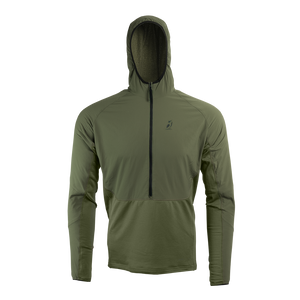
Tayson: Hey, welcome to the live ultralight podcast. We are on day three of our through hiking and our own backyard trip. Just the last day, we're actually back in the truck. So if you hear some Carnales that's driving on a dirt road, you go pick up our other vehicle. But again, we just wanted to do this. While things were fresh today, we clicked off about seven and a half miles to get back to the vehicles. So, definitely not our most intense day, and I think everyone's still feeling pretty good physically so it's just a nice relaxing day to come into that home stretch and not really strenuous miles, but I guess the kick. This off. And I guess, but really the only different thing today was we just had to filter some, some not so fun, water. and so, for that reason, Definitely advise once again to bring some flavoring packets, sometimes that always helps it goes down a little bit more. But anyways, I wanted to kind of sit and recap while I have the guys here, some of their favorite things. So I just wanted to kind of open it up to everyone to Ask her or answer, you know, what was, what was the piece of gear that you wish that you had on this trip? And was a piece of gear that you wish you would have left home? so, maybe any volunteers start. I think. a piece of gear that I was really glad I had was actually, Wearing. I like to wearing shorts on this particular hike, it's the temperatures and climates we were in wearing shorts was great, but I wasn't necessarily a fan of wearing a hoodie. This time, I was trying to use it as Sunshine shirt and it was a one of our Dragon Ball hoodies which if there's some airflow do actually really well, keeping you cool. They're just was not a lot of Breeze, not a lot of wind. So I would have actually left out one and opted for like a short sleeve shirt on this trip was how limited the airflow was and
Dave: For me. If I could go back and do it again, I would have brought less food. I kind of plan my days in the amount of days but not really thinking that we'd be done early on day three is as early as we were. So I've got All my meals for day three. And then a meal that I had for day one. You know, it's still my pack. So I could have wiped my pack that way. That's, that's why I would go back and change. My favorite piece of gear though, That says that chair that I packed in there. Yeah,
Tayson: this is
Dave: really nice to have that. Beautiful lightweight chair that you can just set up anywhere. So then the chip in the shade and just be able to relax. So for me, that was my favorite Gear that I don't necessarily need, but was really nice to have just a luxury. I
Tayson: Know.
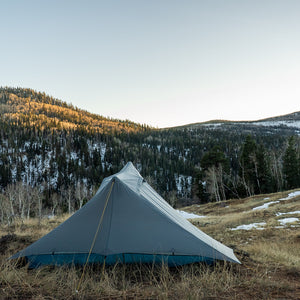
Brigham: I'm gonna go overboard. I have, I'd say three favorite things. so, the first one I'm Quite fair skin. So I get burned easy and I also don't like putting on sunscreen and even if I do have it I'm not Keeping it on. So we have this little It's a prototype. Net Gator thing that works well to pull over your head. so I was really glad I had that especially the long day, Protected my neck and my ears, I just kind of pulled it up halfway over my head and put my hat on over it. It's really glad I had that other two favorites were probably for me the pack and both, I slept the night in each of our prototype tents. I love the head and the foot room in both. and then, As far as anything I brought that I wish I wouldn't have brought. In fact, pretty pretty light. So there's nothing I would say I brought that I wished I hadn't. I do wish I would have fed myself a little bit better. For enjoyment. And I kind of ate more for bare minimum tool on this trip and I didn't enjoy that so much Yeah.
Tayson: I am actually gonna second what you were saying is I think probably my favorite piece of gear. This trip was our prototype tents it's me Brigham swapped you know I used to too many use the one man and he switched and both of them I just I definitely like They they're just lighter. So it took extra weight out of my pack and and liked the space in them and Yeah, I'd say that's probably the piece of gear that I enjoyed the most on this trip. The piece of gear that I just wish I didn't have or definitely some things that I just did not end up. Using one was our drone, I brought a drone out here and Didn't end up, flying it much. It got crashed and it has some kind of little issue and it made me pretty nervous to fly it. And I didn't pull it out of my pack and fly enough. So that's about two and a half pounds of weight. That I just loved to cross the whole Trail for for no reason. And the other reason is I'm a big Wildlife guy. I really love watching wildlife and I brought a spotting scope and a little tripod with me to go to watch Wildlife. As we saw it, I just did not end up. Utilizing it enough to be glad that I brought it. I probably would still bring it again, but just felt like a lot of dead weight in my package. In those two things, almost five pounds of extra weight, four and a half pounds of extra weight and so I would leave those ones. I think that the lesson to be learned there is just if you're not 100% sure you're going to use it and it's really an important piece you know it's probably not the right thing to bring and I have learned that before and unfortunately we got a film and we got to produce videos and we did get some footage that that drone was useful for and whatnot but just being super Mindful of some of those things is, I guess the big, the big takeaway for that. I hope that. To kind of. Put out there for you guys, but I think other than those things we we did the trial. Well, I think Derek's still the only one convinced I'm cold soaking, but so I'm not opposed to it. These other two were hard nosed as you heard yesterday. And the trail though is was awesome. Like I say, I think there's a great sense of accomplishment having finished this Trail. That that we're one of these. Some of the only people have ever done it, you know we were something like people that Piece Trail together and made it happen. And I think there's just a good sense of enjoyment and accomplishment from that. You guys have any thoughts on that doing kind of a backyard through hike. Like we just did and or just just thoughts on hiking trails near you and if there's anything you like about that, yeah, I I would
Brigham: Definitely Advocate it. I think that's what a lot of social media influences. These days Backpacker or an aspiring Backpacker, could See what's being put out there and maybe feel like everything is Out Of Reach. Like look at people hiking not even full through hikes but long Trails where they take you know, a couple weeks to weeks and You know, everybody has different priorities and I can see how people could feel like there's things that are unattainable for them. But I I really like the concept that we did here where we just kind of put together a route and give ourself a certain amount of time. And we just did it and it's in our own backyard. And I I'm sure there's a lot of places like that that was a little bit of planning and And preparation. I think it was really cool to, to do this and Yeah, I just I would encourage anybody that I would speak to about backpacking to do something similar. There's there's a sense of a policeman that you also learn a lot about your systems, about your, your habits and your schedule and your pace when you do when you're going point, A to point B and kind of repeating a few steps both days or every day that you're you're there. It more efficient. I think there's a lot to be. Enjoyed and a lot to be learned and gained from it. So I
Tayson: definitely a fan One of my favorite things about doing like a through hike versus an out and back style. Hike was just that every day was surprised. I was talking to Darren are on our hike out today. Like every day, the last three days have been absolutely a surprise, the way the train is here in our backyard. It was just so many different climates. So many different types of training and you just see something new every day. So, you know, you go into somewhere and Hike back out seeing the same thing again and I would Advocate the through style Heights. You know, for that reason absolutely. And especially like Brigham was saying, It doesn't have to be far away, can be right where you're at. Yeah, we got a huge variety of terrain and I I agree with that there. I I don't particularly love doing that as much special on the last day. That's usually the day that I'm just start to kind of Step in towards home. And you're starting to try to click those last miles off and it starts to drag on. Whereas today, we're still seeing new stuff the whole time, still getting some different views. It makes it a little bit more enjoyable for me as well, but a little more work to do. Shuttling. but but I definitely Definitely enjoyed that. Aspect of it. We're kind of joking as we're coming back though. That once we start getting Derek pointed towards home, he's like a good horse, he just starts picking up the pace and we we didn't hike with him too much, on the way, back him and him and Darren actually just Waiting back here at the truck by the time. He and bring him got here, but Good times though. Is there anything else we need to cover want to cover on the podcast and on this particular trip anything? I guess anything that we learned from the planning of this trip that we'd want to pass on one thing we I think we're going to talk about
Brigham: yesterday but we kind of ran out of time was the mapping, or the kind of having a map and Compass or a GPS basically, because Art, the trail that we took, we talked about was not very well maintained, very hard to follow at some several points. So if you have the map reading skills for map and Compass, definitely bring those tools or bring a digital tool. Like what we what we did. Um, because there were, I mean, weren't there quite a few times where we really had to look at. Where we were and where the trail was going because it was very hard to follow at some point.
Tayson: Yeah we we turned around and backtracked a couple times when we weren't watching the map. You know? Because it was yeah it was it was really easy to follow a game Trail instead of the actual Trail or fall the way you think the trail is going to go on a it was it got difficult. Sometimes to he just missed one Karen and you could get you could get off course real quick. And so definitely having a map system is a big deal and also just learning to To go through it and and utilize whatever it is like a map or Compass or your own phone learning to read topographic maps. I think is a valuable skill set and one that I feel like has ever evolving. Even even myself, I feel like a always. You guys gotta pay attention to some of those things. It's really easy to not see it. I used all Trails on this trip, to map it all out to plan, the trip, to get elevation and I quite liked it. I specifically like when you map it out at the bottom, you can check elevation gains and see climbs and descents and and it's just it's you have to pull it up and look at it but it's it's really nice to be able to see. Okay, we got a Thousand foot climbing or 200 foot climbing. And and we've got this kind of decent and so you can also make plans of preparations for that. As far as mileage goes, I thought this was something. I was just thinking about as well as definitely. And sometimes on this trip, we were doing maybe a mile and a half pace and then this last day we did over a three mile, an hour Pace, we were really moving. So I would say, you know, figuring out your own mileage and then if it's a trail that you don't know. Trying to always be conservative depending on the type of terrain. You met, you may never know if it's going to be overgrown, if you're gonna walk through a burn, where everything's wrecked and there's nothing to follow whether it's a little bit of a steeper, a little bit, you know, more of a declining you thought you have to slow down, but I would say like a good conservative for us, is to be a mile and a half an hour, but I would say we probably were doing about two miles an hour, and we were being fairly aggressive in trying to to cover mileage and we're out there but Things definitely learn there. You can I mean, when I was easier we were doing three miles an hour. And so learning those things along with the map reading skills, I think really helps you as a hiker learn to plan trips like this learn to know, hey, we can get to this. We can get this far to this water, you know, we really didn't have too many issues with that. Being able to get as far as we thought we needed to for the day. But I've had different trips where we thought we could get to here and you can't and those become a lot more difficult because now you've got to find water somewhere maybe that if you're planning on camping, near water. And so definitely learning Maps skills, and, and learning cases how fast you can climb and decent and factoring. In our really helpful to, to overall planning of the trips. So, I would say another aspect of that though. We talked about this a little bit. Last night. Won't be afraid to call. The local Ranger Station if you're not familiar with the trail, not just the pace. That you usually walk at another factor that plays in, its like the conditions of the trail of the trails, like, non-existent, like, it was about burn it, no matter what your pace is. Usually, you're going to be a lot slower in that section of the trail, but if you can call ahead and find out, Trail that maybe you're unfamiliar with. You can find out where water actually flows during certain times of years versus where Maps say it blows. and it doesn't actually at the time, you'll be hiking, you can find out The control one was the last time that one of the Rangers walked in. Do they have a good idea the conditions of it and that stuff is really helpful too if you're planning a trail particularly in an area that you're not familiar with. Yeah, I would definitely agree. I think there's a lot of people, a lot of younger Generations. Don't want to pick up a phone call, or pick up a phone to call people. I'm definitely one of them. But how do we pick it up beforehand? We would have known where we were. Most likely going to find water. And if you think like that, that definitely would have helped us. And the overall planning stages of this trip because we definitely went to light the first day and then we probably packed extra for a lot of the other days or at least during sections of the other days. So calling a ranger specialty. If it's something you're not super familiar with the brand new hike, they can, they can definitely direct you in the right way. And I wish that I had done it more in my life because they can be a huge invaluable resource. Okay, I think we've covered quite a bit. Anything else we're missing we talked about on the trail or want to bring up All right, we'll go ahead and wrap this up. Hope you guys enjoyed tagging along with us on our backyard, through hike, and learned something from this. But also, maybe inspired you to get out and do some backpacking yourself. It's been a great three days in the office. I think these guys would agree. Been a been hard at times and whatnot but just super rewarding and there's just nothing like getting out and doing some backpacking and step. away from all your digital devices and just being out in nature. So hopefully that inspires you guys to get out. If you have any questions, definitely let us know. Reach out to support our vitals.com. We can help you get set up with whatever gear setups or or just questions that you might have, will definitely do our best to help you out. And if you haven't yet, make sure to jump over and leave a review of this podcast that really helps us out. Helps us get seen and helps us hopefully help more people get into backpacking and do it the right way. So thanks for tuning in and we'll catch on the next episode.