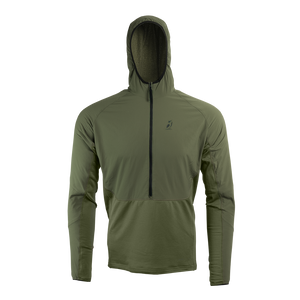
Tayson: So here's the big question, how do we lighten our gear and build our confidence so that we can start living a life full of Outdoor Adventures and memories without having unlimited amounts of time, money and previous experience. That's the big question and we are here to help you find the answers. This is the little Trilogy podcast power, bi Outdoor Vitals. Hey welcome back to the Live Ultralight podcast. We're thrilled to have you back and to Dive Right into some technical product
Tayson: details. These episodes are some of the most listened to episodes that we put out here on the level trolley podcast. You guys really geek out on the details. And this one is going to be all about a product that we just put on the website. This is a product that you guys are very aware of. You've heard of us talking about for quite a while, but the first time that we talked about this on the podcast, we kind of talked about
Tayson: it behind the Sawtooth pant. So today we want to take a whole episode and talk specifically about dragonwall all the pieces involved. The dragon wall, we'll talk about the design story of Dragon Ball and we're also going to talk about the applications that we've used it in, where it shines, where it does its best work where it's just absolutely exceptional and then all so where we don't prefer it after additional usage and testing and things like that. So it's going to
Tayson: be a good podcast. It's going to be We're gonna kind of nerd out on this. We have Brigham back on here. He's always one to talk. The technical lingo with me. And again, that's just the whole point here on the little trip podcast is to give you those details. So, That you can make educated and informed decisions. Again this is just something that's really ingrained with us, with our logo, being an owl, and just trying to let you guys be wise.
Tayson: Be wise about all of your decisions and make proper decisions. So Brigham. This design story is one that it's really one that you got to take part of from the very beginning. One of, I'll kind of I would say almost your first day on the job was meeting with the CEO of new yarn and talking wool. You drove and you met us kind of in the Middle where we were meeting up with, with Andy. And I don't, I mean he hadn't
Tayson: even spend a day in the office yet when we met with him, right?
Brigham: Yeah. It was that I was just cool first day. Meeting you guys down at the hotel lobby. Actually, He was in town. And I think he had a flight. that day or something, but he had he had a window of time so we could we could meet in the hotel lobby and Start talking. It was I was good first day. Yeah. It's good first day on
Tayson: the job and really I mean at that point in the conversation we really just learning about new yarn and what makes the wool unique. So let's let's start right there. So what makes new yarn wool unique is their patented way that they make the yarn and they are able to more or less take the spirality out of the yarn. So when you're when you're making yarn, when you're making fiber or taking fiber and weaving, it essentially you put a lot of
Tayson: twists and turns in that in the individual yarn pieces or wool pieces. I guess in this case, that put a lot of pressure on the wool trying to essentially, it's like if you've ever breeded hair braided rope or anything like that. Here it's more or less doing that. And then doing that over and over again and every time you're doing that, you're putting more tension on the fibers, which is kind of negating. I think the natural property of wools a little
Tayson: bit, but it also just comes into durability, Loft, breathability, and things of that nature are missing anything with with that. So by the way, that they spin and make this yarn and take the twists out of it by kind of crossing, and then Crossing it back essentially, it makes their wool more lofty and when it's more lofty, it's going to be warmer. It's going to Its it helps I think with with its dry times a little bit, it's going to create
Tayson: more durability because you're putting less tension and pressure on the wall. I mean, you think about it if you think about, if you're looking at a sheep their wool, you know, it doesn't come out in big rope, long things. Each little piece is, you know, maybe an inch and a half long. Once it's cut off their fur, something that's longer. But then they've got a weave that into strands, and and then make it into a fabric. And so anything you can
Tayson: do to relieve pressure on that, that's going to increase durability and overall, it just creates a very unique and impressive. Finished wool. The way that the neon makes that which is what really attracted us to their wool to begin with. So, Brigham. What? I don't. I'm trying to even think what was some of the first stuff we got sampled. I mean, I guess they started sending us some different samples of the wool. But what was some of the first stuff? We
Tayson: got from them as we started into product testing with wool.
Brigham: I can't remember if it was I think it was a top. It was a shirt. And before I forget, I would also just I'm going to rewind a little bit next to skin. Comfort is also another benefit of the new yarn because it's not Twisted under high pressure and the fibers don't have the opportunity to kind of poke out from the yarn. So if it has a softer feel to it against the skin but back to. Yeah the question. I'm pretty
Brigham: sure was a shirt, wasn't it?
Tayson: I mean, I had tried some long sleeve shirts out at this point from them, and I think they'd sent us some additional pieces and we started to get some ideas around a product. And we started to test, I don't want to share details on that product just yet because it's possible revisit it right now. It's, it's a little bit on the back burner. We've got other opportunities in front of us but we started down a process that of using new yarn
Tayson: specifically because they're the only wool that would really allow us to use it in this application. And so we spent some time testing this and getting used to New York and and you know, working on kind of just that relationship and going through some some prototyping and we found some really cool stuff. But eventually we found Dragon Ball. And when we saw dragons, will we just knew that we have a great application for it? A lot of things, kind of aligned
Tayson: for us in being able to, you know, the timing of things as well as just the Pure Performance. And the story behind Dragon Ball was just something. We were super super interested in so New York, brings us this dragon wall and we, you know, they basically tell us the story of how it's developed and their story to us was We had a Rugby Football Club down in Australia that was really interested in using wool. For the odor benefits as well as.
Tayson: just, The Nexus skin comfort and performance and these things, but the problem with it is they they needed that the odor benefits, but they needed to dry faster and they did it to be more durable. So neon put their technicians on it to start developing something and they came up with a way of weaving and making the fabric and which put wool next the skin. And then it will a multi filament polyester Jersey face to the outside. So essentially you've got
Tayson: two Fabrics that are woven together You can't pull them apart but like for all intensive purposes of visualizing it, picture them as two different pieces that are stuck together, really? Because you can visually see the difference. Is this isn't a blend like a typical blend. Like if you look at a Merino wool sock and it's 50 60%, wool and 30% nylon and Lycra, and you can't see any real difference with the naked eye. It's all just Blended together but this piece
Tayson: you absolutely. Can. The outside of it looks like this jersey face while the inside of it looks like a Merino wool. and so they, they developed this and The performance benefits that they were able to see with it were incredible. Starting with first and foremost, the Dry times. So Merino wool is hydrophilic. Meaning it pulls moisture into itself, which I want to dive a little bit deeper into that later in the podcast because there's some very interesting performance benefits of it
Tayson: pulling moisture into itself, but essentially it's going to pull moisture into itself and kind of hold on to it. Whereas something like a polyester is hydrophobic which means it is going to try to spread the moisture out, it's going to spread it out like really. Like if you put a drop on a fabric that drop Will quickly spread out along that fabric. And so a lot of times it's used in athletic wear to increase dry times. So something is like advertised
Tayson: let's say is something that's going to dry super, super fast typically. It's something like a polyester, that's going to disperse that water because Hydrophilic. How is that? I always have to stop and hesitate before I say this anyways. So what ends up happening is the wool pulls, the moisture off your skin and then because it's directly bonded to the polyester, the polyester, then Disperses the moisture, spreads it out and then because the weave of that polyester is a jersey face. It
Tayson: also creates a lot of airflow allowing the air to really hit the polyester Jersey face and dry the moisture. Giving it four times faster dry times than your typical Merino wool that you're gonna find on the market. And that's a, that's a massive, that's a massive thing because I well let me just give an example. So actually a couple months before I got my hands on Dragon Ball, I was testing some of new yarn stuff actually and I was I was
Tayson: on the mountain and I was hiking the same Ridge twice essentially and one night I hiked it and by the time I get to the top I'm in the snow. It's it's exhausting hike and I'm sweating sweating quite a lot. The piece is more or less wet it out. I get in my truck and I drive off the mountain by the time I get off. The mountain the wool piece is still quite wet. I mean it's it's quite wet the next
Tayson: day I put on polyester A polyester, long sleeve shirt, same thing. I hiked the same hike. I get super sweaty by the top. I get in the truck, I drive off the mountain again, you know, putting the the warm air on as I'm driving Etc. And by the time I get off the mountain, I'm I'm nearly dry and so You can see just the the quick drying effect of that polyester compared to the wool but you know, I'm out there for
Tayson: multiple days and whatnot and the wool has the odor benefits and so I still end up wearing the wool a lot more and there's all these different components. But what made Dragon will so unique, is that It felt like you weren't really giving anything up to where it. You got to have the Merino wool next to skin that's gonna stay warm and stay super comfortable on your skin. Get over benefits but then you have that polyester Jersey face. That's going to
Tayson: try the moisture out so much faster and it more or less gives you the best of both worlds.
Brigham: so that is what really becomes attractive to me about Dragon Ball lights, my favorite layering piece, Three Seasons, Four Seasons, and, and well into the summer as well, but
Tayson: Am I missing anything on the design process here? Brigham. I'll just do a little of
Brigham: the design side Cleanup in case anybody's. Listening. That is familiar with textiles. And how textiles are made when tasting is saying weave, he's talking, he means knit, so because if somebody thinks we're talking about a woven piece, If they know what they're talking about, they would know that that piece would feel significantly different than a knit piece. So I'll just point that out for the listeners that when he's been saying woven he's talking about knit. So this is a knit fabric
Brigham: that we're talking about which inherently is more stretchy and breathable. So point that out, also point out that, you know, taste and talked about the odor benefit. So a wool is inherently antimicrobial. It does not hang on to bacteria and odor, whereas polyester, does it, it doesn't have anything about it composition wise, that that was repel, or doesn't hang on to odor and bacteria. So polyester, Can be treated to resist it, but it doesn't have anything inherently in its properties that
Brigham: prevents hanging onto bacteria and odor. So some of the stuff they've been talking about, um, that's by nature of the base fibers themselves. Other than that? Yeah, I think. So
Tayson: give an example, really quick of woven. So woven would be like
Brigham: you know, sleeping bag. Yeah. That's that's a woven a backpack fabric like our Shadowlight. That's a woven fabric. I think kind of crisscross pattern over under over under where nit is basically a series of interlocking loops.
Tayson: Yeah. No, I'm glad you pointed that out. Another thing that I just thought of what you're talking to that, I didn't mention with with the patented weight in which New York spins their wool or doesn't spend their wool. I guess. It also creates a lot more stretch. So both of the Dragon will and other wolf is from New York and you gain a lot of stretch and a rebound which is, which is just really significant right when you've got all those
Tayson: fibers bound up and tight and all those type of things from from the way that they're leaving, it can hurt the stretch of the Garment as well. So anyway, so we get our hands on this. This Product. This piece, we kind of know exactly how we want to. Start testing it out and thermals and in hoodies. And Even in boxers. And essentially all of them just worked. Really really? Well we were really Blown Away by the hand, fill the performance and
Tayson: just our initial testing I can kind of think of the first time. I got Dragon Ball on and the effects but Brigham I don't know if you can you remember the first time that you ever wore Dragon will? And what you remember from it I
Brigham: will the first time I wore it was in Vietnam and it was
Tayson: over too hot. Was it was?
Brigham: It was hot. I mean it was I mean, Vietnam in December is hot, but And that was just like, kind of traveling, just walking around, you know, Factory to factory, then to the airport. So, nothing that would really draw out its performance. It was definitely a comfortable piece and so I like that but as far as like, performance noticeable advantages, would have been the only. And let me just point out here. Brigham only word in Vietnam because his
Tayson: backpack was so full of other Dragon will products anymore.
Brigham: Yeah, I didn't have the room so I had to wear it like, for
Tayson: We wanted to take every sample, we could home with us and they had put together a lot of samples for us a bunch of sets or something. And keep in mind, the way that we travel, we only use a carry-on bag. So we only have our, you know, 35 to 40 liter, carry-on bags and they're already pretty full. I mean, we're there for over a week in in Vietnam. And so we've got decent amount of stuff in them and we get
Tayson: there and they start handing us all these samples and we shove our backpacks, just full of them and holy cow that got heavy and super uncomfortable. Oh yeah,
Tayson: it was bad. I think I was ready to start like, putting on thermals and Dragon Ball hoodies just Get them out of my back. We carry on pieces that we were That were using. I mean, they're just not built to carry heavy, loads like that. But I think a lot of people put a lot of stuff in those things. So, anyways, there's well, we'll talk more on travel and stuff later on in the podcast, if you're interested in that stuff, but
Tayson: so you try them in Vietnam. What about once we got back here, where was like the first place you used it in your initial thoughts. Can you remember that far back?
Brigham: yeah, because I do so in the mornings for my exercise, I do just work out hikes where I put on a backpack and walk up the mountain. and so, that was the first application I really used it on was and this would have been middle of winter. So I just put on put on a hoodie and Stand alone. Layer next to skin. Nothing else. and, Just in my workout hike and that was my first experience with it and it was very,
Brigham: very positive. It has a Where we live. There's generally always a breeze especially in the morning when temperatures are changing the sun rises and and then there's almost always Breeze when there's mountains involved. So, Just hiking up the mountain and little bit of a breeze and I definitely, I always work up a significant sweat. So my back will always get completely soaked through and a lot of sweat involved. So What I noticed was. the breathe a bit like, let's see what
Brigham: I say breathability or just the The noticeable feel of airflow like just from skin to the atmosphere like passing through it was very noticeable. and, and then, like after the workout, notice I paid attention to how fast it took to dry off. which was it was very noticeable because I've used a lot of other Merino pieces that are, you know, like a 90% Merino With maybe 10% nylon in there. And So I'm very familiar with what kind of a typical time
Brigham: to dry is when it's on my body. So that was very noticeable was just kind of the the performance that I could feel that's Yeah, that's
Brigham: really just kind of the way that I would explain it. As you can feel the the fabric performing as you're doing your activity. So yeah, and it's one of the few
Tayson: Fabrics that I'll just tell you, like, you can physically feel the performance because that's my first, you know, things I remember with it is anytime we get samples in the office, besides it being like Christmas day around here. We like the first thing you want to do is just start wearing them but it doesn't necessarily mean it's The end of the week or that you're actually going out on any hikes or trips or anything in the near future. So I start
Tayson: wearing it everywhere. So I remember putting it on and sitting in the office. And just kind of sitting in my chair and then, you know, being like whoa why are my armpits getting cold? Like cool. Like there's this cooling sensation happening. What's going on? And it realized it was just that my, you know, sitting there at the desk arms, at my side. My, my armpits had started to sweat just a little bit and that wool hit started working and started pulling
Tayson: the moisture off of my skin and evaporating it. And you could feel that cooling sensation. The next morning, I took it to the gym was doing some running and yet again, like I sweat on my back, I'm a big sweater on a sleep and I could just you start to feel like my back starts to fill almost cold as it is just evaporating that moisture so quickly and it's totally different field and I've had from other rules. I mean, other wolves,
Tayson: you start to get wet and you can sometimes you can kind of feel them working in their own way, but it's not like a massive cooling sensation typically, it's Like a very wet sensation typically. And yeah, so just had a massive impact on me before I even really got it out on. The trail is just something that you could literally feel working for you.
Brigham: Yeah, I just remembered. I also, I don't know which came first. Maybe it was the gym because I started wearing the boxers to the gym too and that was another time because now I'm inside where there's like no air flow, just like their flow that your own legs create just by walking or doing an exercise, or walking on the Incline Trainer. And I think they may have a couple fans in there, but there's not a lot of airflow definitely no wind.
Brigham: And I, I notice that there too, you know, because now I'm wearing shorts over my boxers. And then it was, it was a cool experience because I was very noticeable, again, just noticing, I mean, the area on the body where boxers are worn is hot area. So that was very that it happens quickly like what you feel from the forever doing its job. It's very noticeable because you generate a lot of heat there in a short amount of time.
Tayson: Yeah. And yeah, I mean you guys will have to give us your feet back. We've been shipping out tons of these things. Past two, three weeks now. We've been shipping out, I don't know how many of them are dragonwall off top my head, but we've shipped out, I don't know, four to five thousand packages that and a lot of people were taking wool on them. So I'm really excited to continue to get feedback on that. The initial feedback we've been getting
Tayson: in comments and things like that on Kickstarter and Indiegogo and on the website has been really positive so I'm stoked to get more and more feedback on that but And just so, you know, as of the time of this recording, the dragon will has been put on the website this week so you'll be able to go on get that. If you act super fast for when this is put out, you'll actually be able to get it at a small discount and
Tayson: get it before Christmas. But anyways, so that this stuff is finally on the website, which is kind of why we're wanting to talk about it. Again, is, it's time to revisit it because you guys finally can get your hands on this stuff and just another note really quick too. As we do have more wool on the way that. So if you see something that's maybe out of stock, it's gonna be quite temporary less than a month. We should have the rest
Tayson: of the wall in the office in the warehouse. So anyhow, So that's kind of the design. A couple things I want to touch on is kind of the weight of dragonwall. Currently. We're sitting at a little over 200 gram per square meter in the fabric weight and the the interesting thing about how this You know, performs is because it has that Jersey face on the outside. It can often feel like a much lighter piece when you aren't wearing it in layers
Tayson: and you're not trapping air inside there. It definitely feels like a very lightweight piece or a very thin piece when you've got any kind of Breeze or wind, because it essentially that that air can move straight down and pipe can pass by the Merino, wool directly almost. So it can feel like a much lighter piece and it and then I use it a ton as as a base layer piece. So the hoodie that's typically what I'm hiking in and whatnot but
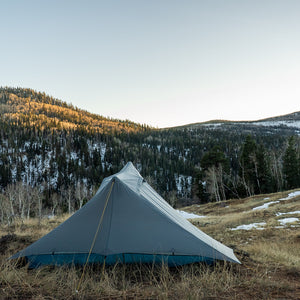
Tayson: let's jump in to some of the use cases that we've had. You brought up that you know we took it one of the first trips we took it on. Was the Brian Head trip where we we backpacked in and we build the the snow caves with tarps and we dug out trenches and slept in those that night and that's on her YouTube channel. If you guys ever wanted to go, That out. But Yeah, I mean did you have any thoughts or
Tayson: opinions on on that might have been the first time we took it out in the field? as far as like,
Brigham: A camp. You know, an overnighter backpacking trip. That was probably The first official use. That I can think of yeah, typical January Mountain weather. I mean you know temperatures in the 20s it actually didn't get as cold as we thought it would that night but it was still it was never over like 22 degrees the whole trip. And but there was some wind and hiking in, I just wore The hoodie and a wind jacket. So it's just like a very thin
Brigham: nylon layer over that it's not insulated at all and that was a really great setup for the hike in His like I said it was windy and it's, you know, over 10,000 feet up there. So cold windy, having a little bit of wind protection. Albeit not like an insulated jacket on top of the dragon wall and hiking in. It was a great setup like a great setup just of, just the right amount of warmth because I, I get really hot even
Brigham: in the middle of winter, hiking all easily sweat. And so to me, that's just inevitable. So how my layering system manages my sweat is for me, a significant metric that I used to analyze like how something performs and it did great. so, Because of the wind like you were saying, it can feel like a lighter piece had been wearing that without a win jacket. It may have been a little cold just because Transfers. The moisture away from the body so fast.
Brigham: And if you have a 20 mile per hour, wind at 10,000 feet, you're talking like single digit, Winchell. But when we got to camp, And just kind of started setting up our our snow trenches and doing some of that physical labor that was maybe a little less intense than the hike. I just left everything on that. I had for the hike so and actually I dried out really quickly doing that because I was still active, but not exerting myself. So my
Brigham: body was still kind of using its heat to push the moisture right through the dragon wall and then out into the atmosphere, it worked really well. I'm trying to think so. So talk to me for a second about
Tayson: You said it, can you know, transfer that moisture off. You really, really quick. So I alluded to a little bit earlier, talking about, like Vapor transfer versus yeah. So so one of the really really cool things about using wool. Mix the skin is the idea or the concept of vapor transfer and the benefits of that. So Brigham break down, what that is and what the benefits are of it. Well, like a Merino base layer. I guess Marina will in general,
Tayson: it has the ability to actually Absorb and move.
Brigham: A water in the form of vapor. So it's not in the form of liquid. So it doesn't actually have to be a liquid to move it away from your body. The the Merino actually absorbs it and Wicks it away from your body in vapor form, which like a synthetic say polyester. It really won't start doing that until it is in liquid form. Like liquid form can be missed, missed is a liquid, but that's a heavier form than Vapor. So Vapor will
Brigham: pass through Merino whereas it has to get to liquid form in a polyester before it actually starts wicking it and
Tayson: pulling it away from your body. So, The benefits of that would be that it's going to keep you potentially drier on your skin level, right? It's going to pull the moisture into the wool and then hopefully we've got a you know like something like Dragon Balls, going to disperse that moisture and get rid of it. But It should you know part of the benefits of using a wool next to skin as it should keep your skin more dry. Correct. Yeah. To
Tayson: a point it will Slow
Brigham: down the process or or kind of delay. The that point, where your body now starts to sweat and the moisture accumulates on your skin, Will delay that a little bit because it's just moving the vapor early right off your skin or away from your body as opposed to where it kind of builds up and the vapor gets so heavy that then becomes a liquid. So
Tayson: yeah. I think that's a really, really important piece about wool. It's a huge reason why we love to look at wool for base layers in particular. It's just next the skin Comfort is is tremendous next to skin warmth next to skin cooling effect. It does a great job at both Heating and Cooling the body and just keeping you dry. Which to me, you know, dry is is Calm, and is Gonna Keep you comfortable. So I really like that. The other thing
Tayson: that I kind of wanted to point out with on this trip and using this in Winter, which I'll all we're going to talk about more extensive as we go on to is when you're putting this inside of other layers, all of the, the Jersey face kind of the open weave. Not weave the open. The jersey knit, the jersey knit, I don't want to get corrected twice here in front of my friends. But it helps trap heat into the piece. And so
Tayson: it feels more like a full 200 plus weight, you know, Grandpa square meter, weight fabric, when you're wearing it in layers and then like like Brigham said, if you was to take off that extra shell and it was able to get that little breeze hitting it. I mean he would definitely feel like it's a much lighter cooler piece. It's going to start drying even faster as all. That air is able to hit it and set of being trapped in the fabric.
Tayson: So it works really really well in layers and on the exterior just depending on what you Want to do, if it feels like a much lighter piece when it's on the outside, feels like a much warmer piece when it's used in layers. So let's kind of my experience on that same trip. I never took my dragon wall off where it from the office, all the way up and back down. You know, everything. And that's typically what I found with with the
Tayson: dragon balls that it never comes off my body when I take it out on trips, So that was Brian Head. We ended up using it on a couple more trips throughout that winner. I don't know if there's anything, if there's anything that you want to point out on any of those trips, let me know. But we used it on a couple trips throughout that winter, personal trips, work trips, Etc. and then, Later on, you know, was very special. We're quite a
Tayson: bit further down on the design process but things, more dialed, but I took it on the, the Canaan, Mountain Wilderness trip which is really fun trip, but this trip was a much warmer trip, much much hotter. It wasn't. I would say it was like, Squelching hot, but it wasn't cold by any means either.
Brigham: Yeah, it was A college. Just a warmer weather. It was like night and of April, but it was it was unseasonably warm. And so it was kind of almost like summer weather in. The spring.
Tayson: Yeah I've been at night time we probably saw like blow 40s, something like that so but on this trip I wanted to do kind of a torture test of the dragon all and and again this is a video that you can see online but I went and I jumped into a river essentially with the Sawtooth pants, Dragon will boxers and a dragon will hoodie on and then we kept hiking. And and so, I got to kind of see the performance of
Tayson: it. Being totally wet it out and what it would do again, I'm not I wasn't wearing anything over the top of it. It was just it was my outside layer and my base layer. And that trip really showed me how quickly both the Sawtooth pants and the dragon will would dry out. And essentially, right, as I jumped into the river, we started climbing. And it was like, dang near a thousand feet straight up like just switch backs, gnarly, switch back to
Tayson: Of a climb straight up to the top of my time. We got to the top of this climb. I was I was pretty much dry. And I had zero regrets at all for completely wedding out this piece and I and I continue to do that through the summer. So, I was hiking the dragon balls, I would just soak it, you know, I'd completely soaked it because Dried out really fast. It kept, you feeling super cool and comfortable when it was wet
Tayson: and as it was going through that drying process but I'm not sure it worked really well. I, you know, as for sun protection it's got a 50 UPF rating on it. But just the dry times, really, really impressed me with with that trip and the dragon wall and a Sawtooth pants for that matter. I couldn't believe how fast all of all of that gear dried which is all, you know, heavily focused on being quick dry pieces. But just really, really impressive
Tayson: to me. We used that on a couple trips in the middle of the summer as well. So this is where we're gonna we're gonna point out maybe some of the, the slight cons of the Dragon Balls. It's called limitations really?
Tayson: Yeah. Yeah, limitations are where you probably are going to switch out this piece of gear for another one and honestly around here, it's a very limited window. Yeah, you know a few months out of the Year where Dragon will isn't going to be worn as my base layer. Still be great as a piece, you still bring. But I wore it as a base layer on two trips. Where at certain times is started to get warm one of which was our Pine
Tayson: Valley through hike, Really good trip. Really fun. Most of the time it was, it was a great piece, a really great piece. There was particularly one afternoon. We started walking down through a burn area. We the trail was burnt out, there was no Trail and you know we it got hot you know burns are hot and typical because they're all black. There's so much heat from the Sun and we were down on off from where the windows really hitting us and
Tayson: I got pretty warm that day and for a couple hours after we even got out of the burn I was pretty warm. The wind wasn't blowing as much and His I was using it as a sun shirt. So I was pulling all the way up over my head and, you know, I was sifting it down but I wanted that sun protection and that trip was a little bit warm, like a little bit on the warm side and then later in the