Tayson: Here's the big question, how do we live a life? full of adventures, travel and memories on our terms without being millionaires without previous experience? And without unlimited amounts of time, that's the big question and this podcast will give you the answers. I'm your co-host Tayson and I'm Dave and you're listening to the Live Ultralight
Dave: podcast powered by Outdoor Vitals. On today's episode, we sit down with taste into discuss, how we design, our products at Outdoor Vitals, he will walk us through every part of the design process from the idea phase to the finished product. We will do a deep dive into our newest product. Our one person tent, and tell you how you can get a deep discount for just being one of our listeners. We also announced our pillow giveaway winners at the end of the show. So I hope you enjoy. Today's episode, we're going to talk about product design and Manufacturing. So from the feedback we've gotten from the first few podcasts online and on iTunes and things like that. A lot of people want to know about the inner workings of Outdoor Vitals as a brand and how we operate. So in this episode we're going to kind of discuss that how we designed products, how the products are manufactured and Tayson is here with us today to be the one that mostly talks about that. I'm going to be interviewing him on what goes into product design. What goes into Manufacturing. The first question I have is, what is? The idea behind a product. So, what is the very first step of product design?
Tayson: Yeah, So definitely the very first step is, is that idea in itself? And So for me coming up with that idea is Is really the goal out of all of this. There's a lot of hurdles and designing a product. But if you don't have, you know, a good idea to base it off of to begin with and then you don't have, you know, a place to run. So with us, you know, here after vitals starting with that idea, the way that we try to cultivate ideas is through a company-wide culture and that company I culture is everyone is the R&D Department. Doesn't matter if you're, you know, a customer service. Doesn't matter if you're in marketing, doesn't matter if you're an it. I grant to everyone and access, you know, a free wide pass to all the products within the company, as well as a lot of their friends, you know, get to take a lot of our gear and So they get to take that out and use it. But you've probably seen this pattern anytime you get back into the office. I start kind of grilling you with questions, you know, what did you like? What did you dislike? And I just start moving through this checklist in my mind of ways that things can be improved with ways that things you know, we could shave off weight or just different things like that. And So company-wide we kind of have this culture that everyone is in the R&D department and then everyone gets out input when we go to design product, but I find that my biggest inspiration always comes from being outside the office and it always comes from, you know, using a lot of gear in, you know, knowing what what's out there, but also just using it, you know, yourself and coming up with that inspiration from things you like dislike or just ideas that you on the trail.
Dave: Yeah I would say for me a lot of my friends come out to visit. They're from from the East Coast. I tell them don't worry about packing anything or they're gear. They're bags, things that take up a lot of room come out. We'll go use the products. I have a lot of friends and in The Guiding industry and I get a lot of feedback from them and we go all out and and things like that. So it's definitely being used on a weekly daily. Basis for sure. Yeah. And you know, part of being
Tayson: the kind of company that we are we get to essentially crowdsource ideas. So people are always riding in leaving reviews. The writing us emails, direct messaging us, whatever it is and they're giving us their feedback too. So whether it's within the office, we're crowdsourcing the idea whether it's for our friends or whether it's your follower, you know, we're coming up with those ideas based on lots of feedback. Lots I'm in the field. And yeah, it's a fun way because being a direct-to-consumer company, we just have direct line with their customers. And some of you guys are like, I don't know what that means. Well, imagine if we sold our products through an actual physical store, So you go and buy the product at a physical store. If you don't like it, you take it back to that physical store and you give it back and they say, why did you return it? And you say, I don't like it and they're like, okay and they don't pass that feedback on. But instead, when we're direct to Consumer company, people literally write and say, this is why I'm returning it. This is what this is, what didn't fail. This is what I didn't like and we just get that and then a lot of times we go read the reviews, you know, the five stars and we're saying hey people love this feature and So we get to build on that and generate ideas from that.
Dave: Yeah we get a lot of feedback directly through emails and things like that. And what can make products better? Or what they really like and then also like what they want to see in the future, maybe the size of a tarp or the weight of a backpack or something like that. So on a daily basis, we get feed. From you from the customers, what they want to see what they like, what they don't like. So that's that's really awesome feedback and we we share that in the office. So we're all in the same same location, same office. So we can talk about things directly, you know, tastings right there in the office. I get an email or something on social media like hey here's some feedback, what going to do better? This is something someone really, really enjoys. Let's, you know, work on that. Make it even better. So that that really is some really good feedback. How did you start? Designing products. What was like, you know, the inspiration to that and how you kind of got your foot in the door with with actually product design.
Tayson: Yeah. So I would say the first two big projects that we ever had with product design where the mummy pod and the Rio, light backpack, The Mummy pod, I mean it definitely came. 100% unique. I mean, there's nothing really to build off of. So, you know, I kind of had we kind of had the idea, I spent like 20 plus nights in the air using it as a pod and I'm like, man, we need to make this better. I need to figure out a way to seal that foot box. I need to, you know, needs to fit all sizes of hammocks and still still around the shoulders. And So just kind of sitting there and we're actually talking as a team. This actually, before you were in the office, Dave, and I think Darren might have mentioned something like, you know, if there's a mummy shape or something and I was like, that's it. And So, I went in the back I grabbed a Sleeping bag off of the rack and I literally cut a hole in it and I put it on a hammock, right then. And I was like, Just gonna work, you know. And then from there it was just, sometimes, it's just kind of like lining up the pieces and it's like, well, I need a center zip when you need something to hold it on the hammock, we need some of this and we need some of that and I started sketching it out. So I start sketching And and figuring those things out. I use Photoshop a lot. Again, I'm coming not from a product design background So I'm using Photoshop as something that I had learned. And then I'm using a lot of sketches and I just start writing and in between those three things, I'm able to start putting together something for Prototype.
Dave: And then, what about? I know the mummy pot is patented, So the process of that patenting, that that foot box and designing that, and just a little bit more on on that.
Tayson: Yeah. So, at that point, I kind of had talked to shoot you from people that would work with patent attorneys. I knew that it was something we were definitely interested in and So we started down that phase. I definitely wanted to at least have that patent pending before we launched it to give us that protection. And actually, our patent just got issued like a couple weeks ago. Well, not yet, I still got a fund the issue in essentially, I mean, they just nickel and dime me on a patent, but it's gonna be cool. We may be able to actually turn around and go after some of these guys that ripped us off, we'll see. But, anyways, the product itself, the patent itself Really it's more about just putting the money into it and there's ways that you can try to make that a little bit cheaper. There's ways you know, different different degrees of that but it kind of came down to me just having a relationship with someone who's able to refer me to a patent attorney that they had worked with. And from there I just went and met with them talked about the idea and he kind of took it from there and every once in a while he checks in with different things that came back from the patent office and things we needed to make decisions on. But the process definitely took longer than I thought. I knew it would take a long time but A lot of times, they the patent attorney, the patent office will come back and say, hey, we don't like this, you know, you need to change this or you need to. You need to decide if you want to keep this or you keep this because you can't have both or different things like that end up happening but overall, yeah, yeah. I mean, basically are paying a professional to handle it for, you
Dave: know. That's really interesting stuff. And I mean, I guess designing, a more traditional mommy bag isn't really like, redesigning the wheel. So what are some things that we do or we can do in the future that, you know, makes our bag stand out like Storm Loft, insulation, things like that. And maybe redesigning some baffles stuff like that, lighter materials I would say, those are some of the things that really make quality bags stand out from, you know, just a traditional retail dicks bag or something like that. So I would say, what are some things that we're looking to do maybe in the future to really make our bags stand out from from competitors?
Tayson: Yeah. So we've kind of gone through the Spectrum and those who have been a part of our vitals for a long time. You've got to see us go through that Spectrum. We started with with, you know, bag, a, the atlas and, and that worked really well. And we continually modified that and it's on, it's like fourth or fifth edition at this point, we just continually improve it. So now, when I sit down to look at a bag, things have changed for us, I'm able to design with with no limitations. I don't think about price point, I don't have to think about materials or anything like that. I just think of the in Finnish product what the goal is. So right now we're actually in the process of potentially looking at redesigning, you know, in our Flagship Flagship Summit Series back. and, You know, we're sitting down. We're looking big picture. You know, we want this thing to be really light and we want it to still be comfortable because a lot of, you know, some companies will really shrink them down some companies, balloon them up. So for us, it's always utility and light. How can we couple those two things together? So there's lots of different areas to look at and it really comes down to the fine. Fine details, you're talking, you're talking about The differences in seam weight. So that's just the weight of the internal baffles inside of a sleeping bag stuff. You can't even see, is the end consumer. You got to start thinking about that Fabrics is just a one, like, with a sleeping bag, it has a ton to do with the ingredients is what I like to call them, but essential your fabrics and your insulation, you know, the length of your zipper is there a way to trim that down? There's all these different things that kind of Come into play with this. And So that's really what we're looking at now. And we're just putting every little piece of something under that micro under that microscope and deciding on it.
Dave: So, with that, I mean, what if we can go a little bit more on the future of product design, a lot of it is on you right now but you're all. So you know you're running a multi-million dollar business, you're managing the staff trying to design, you know, I'm doing a lot of other things. So what do you think in the future, the product team designers direction that we're looking to go. We'll be maybe in this year next year. Five years from now
Tayson: Got product design has to change otherwise we're not going to be able to change the company and, you know, we want to grow and help more people want to get more people outside. So, For instance, I mean I'll just kind of tell this as an example. So I designed the first rhyolite backpack and it's done well, but at the same time it needs to get redesigned. We've got a lot of feedback, you know, people are wanting a lighter weight pack. I mean, really, that's the biggest piece of feedback because people want a lighter weight back. And, and that's being, you know, ultralight company. It makes a whole lot of sense to have a much lighter pack than that, right? Like something more around. The two pound range but when I design that first pack, when you start pulling apart a pack, I just didn't have no idea on that first design how intense a backpack design was You start dissecting every little piece of that pack. And there are literally hundreds of pieces. If you took a part of pack, every piece of selling line in that, there's literally hundreds of pieces that go into a backpack. And that's something as an end consumer, you don't even consider and it's something I didn't consider the first time I designed that pack, but we've made a design a pack for, you know, a year, two years now, and it's such a daunting task for me to go and undertake because I know my time is So limited that it hasn't been getting designed. So What we are going to be doing in the future is, we're actually going to open this up. We're gonna start looking for a product designer as a company starting, I mean now, So we're going to start looking for that. We've got a few different leads that we're going to be going down but Essentially, what's going to change about this now is we're going to hire a product designer. That's gonna be full-time. In-house product designer, for most of our projects. And since we're you know, a company-wide R&D company, we want everyone to go get the ideas and then we want to have, you know, basically team meetings periodically on each project and allow everyone to give their feedback on that project. So, the process designer, you know, he'll get the basic big level things that we want to see happen. You know, we want it to be kind of hit this weight Mark, we want it to have this main core feature, or these, you main core features, you know, go into your work and then and then they'll come back to us while have another meeting wherever and gets to look at that, and make sure that the at a high level, you know, the things that we're looking for, are in that. And So that's kind of how we see things going forward. Because yeah, simply. I mean, there's a handful. I mean, there's probably six or seven things right now that need to get designed yesterday marketing design, because I just, I'm just too busy with with all these other things going on.
Dave: So ideally, what do you think that first design or the most important Design coming down? The pipeline, is going to potentially be
Tayson: that is a tough one, Dave.
Dave: About a pack redesigning the summit, what if you had your wish? I could have something redesigned.
Tayson: Tomorrow, what would it be? Was just done tomorrow. Like it was done. Yeah, I'd probably say a pack. I mean, because I know that those things are going to take us a while to complete, and I feel like somebody's other things we've got going. Could we could tick off pretty quick, but a pack of something we need to get started on right away. And then we've got some other things that, you know, there's some projects that we actually hope to bring the kickstarter again later this year that they're still quite a bit of work to do on those. We've got a good start and those of you that may be followed us on Instagram, you saw this visiting Tori's factories. That something I flew down San Francisco met with them went over fabric options and in a few things like that and and So that's like in the works but a pack is definitely the most daunting and something that like initially you know we could try to get help with but there's five or six projects that, you know, with the a couple days on each, one could probably get knocked out really quick as well. So,
Dave: without giving away too much, what would you say? Your ideal pack would look like Yeah,
Tayson: So I mean we've got the Rio light and the Rio light was one of my first call him a true product mistake. It's a fantastic pack. Don't get me wrong for certain people. It works amazing. But For some people, it's not light enough. And for other people. Maybe there's just different features that they're looking for, So we actually I think we need to design two packs hack. Number one, is going to be a true ultralight pack. It's gonna be something pounds. It's going to cut off some, you know, hopefully not too many features but it's going to be something that can feel really light on your pack. Maybe you have good breathability, but that's gonna boil down to, you know, fabrics and In a few different things there. But, you know, we're definitely gonna look to design a true ultralight pack. And pack number two, I would say, is gonna be a little bit more of a universal tax. Something you could wear to the gym, and, you know, put all your gym clothes in there and take a shower after and then go straight to work and have your laptop in there, you know, just more of something that could be used in a lot of different situations. Good expandability. Something you could use, as possibly as a carry on an airplane, something like that would probably be packed number two. So we've got, we've got kind of two different directions from the pack. I would say number one, and we probably need to work on the ultralight pack first though.
Dave: Awesome. So with that, can you maybe talk a little bit about the manufacturing process and maybe where you started manufacturing to where you're at now to this new pack or, you know, the end of the year when we have a New designer design team how that might look or how that process might go.
Tayson: Yeah, So when we go to look at manufacturing plain and simple, I mean, the first thing that I look at now is who's making this out there for companies that have, you know, that? Maybe I've already vetted this Factory a little bit So that we know they're pumping out really quality stuff and that I mean, simply put if a factory if I go talk to factor say, hey, we're looking to produce this and they can name drop a little bit which is something Factories. Do right off the bat, I'm like, okay our Terraces in this Factory and this is in that factory and this is in that factory. Let's say I probably shouldn't name drop on. But you know, if I know that those guys are in there then I also know that the quality is going to be high and So then it kind of leads me to the next question which is So they fall in line with our design manufacturing you know type of things. A lot of these big retail companies they're buying like once or twice a year out of these factories just massive orders. Whereas we like to keep our orders very small and tight and produce a more frequently we you know, from a cash flow standpoint and a product standpoint we prefer That method. And So, So let's say they passed that that, you know, we know that they're a good Factory, we know that they're going to work with our parameters. The next thing is definitely for me to go and walk the factory and build a relationship with them. I don't like to design any factories. In fact, we don't we really have, you know, that's why I flew to China in December is you know, we won't manufacturer in a factory until I've walked it now and the very very beginning, you know, four years ago, that wasn't always the case. But as soon as we were off the ground that that's been, you know, the scenario for us as we've, you know, I go on a walk, the factories and I cultivate that relationship. I love it because I get to go and I get to meet these people. And what's So interesting to me is, People like root for us, like it's crazy. So on December. I was kind of jump into this real quick. In December, our case starter went wildly successful which we were very pleased about. I don't think all of you that participated in that with us. But it went So successful that it put a lot of strain on our previous manufacturer, our previous manufacturers producing good quality stuff, but their lead times were way too long. And and So, with the success of it, it was going to push our lead teams out way too far, and it was just kind of the breaking point, essentially, with me in this manufacturer. So I decided that it was time to, you know, you start using a different manufacturer. We've already been starting to vet these a little bit and we went off of some referrals with the factory, some referral business referrals that I had and we turned to this Factory. So I wanted to go walk a couple factories. And So I hopped on a plane. I literally booked my ticket was on the plane within two days and took off to China right before the new year. And I got to go walk these factories and see the people and see the processes and and connect with them. And what's really been interesting to me, you know, as we grow bigger, obviously, the product designers gonna be doing this with me, but what I've come to really, enjoy is actually the relationships behind this. So I love when we get to go out to to lunch or dinner with with the owners of these factories. And I just get to tell them a little bit about us. And what's So interesting to me is, it's like a breath of fresh air for them to work with the direct to Consumer business to work with someone who's doesn't have VC funding and they were, they understand. It's going to be a little bit more challenging for them. What's cool is you can see like, I love to hear their stories. I'm like, how did you start this Factory? You know, how did you get started? And they tell me their story and I turn around, I tell me, tell them my story of how I started this and and it just really cool connection. And oftentimes, you know, when once we get that connection there, they're really good about, you know, how they treat us. And, and then working with within some of those parameters that we have Smaller faster, moving company.
Dave: And then what are some things you're looking for when walking the factories? Like what why is that? So I guess important to you, that'll be the first part of my question.
Tayson: Yeah. So for me, I love to just look at the faces of the workers. You know, I wish So bad that I could speak their language because, you know, when I go to Malaysia, I can look at people and I can speak to them and and I can get to know them really quick instead, I just kind of have to walk around and obviously I look at the cleanliness the factory and if you think like that that a little bit more obvious. But for me I love to just look at the faces of the workers and I feel like by doing that, I can engage their level of happiness and I can You know, how they're getting treated. I can engage the quality of the work, sometimes they're doing as I just observe them. And So that's that's a big one for me. I just I really enjoy that aspect. A lot of times you walk into these factories and you know you're this this taller white guy and they just like I just kind of I and yeah they're looking at you and it's just kind of a funny thing and you smile at them and they they get all offered and stuff but that's my favorite thing to do when I walk a factory
Dave: and then I guess, I guess the second part to that question is be, if you can help clear up the air about manufacturing overseas and what The benefit of that is especially for for someone over there like how much further you know our business potentially could go for them or help them or just maybe clear that up. If you can
Tayson: I'll give you my two second Pitch on this. This is like a this is a deep conversation which I didn't plan on getting into right now, but I'm different than a lot of people out there. I actually advocate for manufacturing overseas sounds super crazy but when I was spending my, my years in Malaysia, Well, I was sitting there. I would just think, what if I could give these people a five-day week job. I mean, what would they do if they had a five-day week job? How did that change their lives? You know, their kids could go to more school, he could go farther in school before I have to drop out and start helping the family, but they would get time with their family, which is something that they wouldn't even. I mean, they wouldn't even know what to do with more time with their family because I mean they're literally up the crack of dawn home after dark six seven days a week. And So I love it because I don't kind of tell this I guess through story. I remember the first time I went to China, I was So surprised that when I went into the factory it was just a bunch of older people. I mean it really was I was just like older people and I was like, man that's interesting. And then, as I went back to my hotel that night, it was all younger people. And then I met with the owner that factor the next day and he talked about how they're shifting production out of China because there's a shortage in labor and it all kind of slid into place for me. And essentially what happened is is China went through, its Industrial Revolution. Let's call it where people finally could get good stable jobs. And put their kids through school and put meals, you know, on the table and in one generation, maybe a generation and a half of that. It completely transformed everything. For these people went from them being, you know, illiterate to illiterate, I went from them being, you know, maybe hygiene levels drastically, raising Wars, you know, all these things are related to literacy rates. Sicknesses go down, you know, and then all of a sudden and then all these younger people. Now, that they have an education, they don't want to go work in these factories, they want to go work at the hotel's and at the airports and do more skilled type of jobs. And So it's It's really cool to see that. And So, I'm meeting with the manufacturer and he's saying, yeah, we want to shift all over what? We're in the process. We've already got a factory there and it's pumping out units in Bangladesh. And I immediately go back in my head when I was in Malaysia and I met people from Bangladesh and they were the most poor people, you could imagine, I mean, they were coming to Malaysia for a leaf and Malaysia is not a place. You know, you go to for a leaf and I mean they would have the shirt on their back and they might be renting like a couple feet out of a room for a small mattress to sleep on and you, they were hoping to get meals, you know? And So moving production to Bangladesh. I just knew instantly that it was going to change So many lives in that country because now they can get a good stable job, they get fed at the factories plus all the money they take home, they can you know, feed their families. They can put their kids in school and a one generation, we could change being with us forever, right? And So I get excited about that people people don't like it but That's the matter is. Sometimes you know, in America people people have a lot of opportunity. And So sometimes I like to think of us being able to take that opportunity to places where there's literally zero. Yeah. It's such a positive
Dave: I think that's like traveling and seeing the world. And you know, a lot of people that maybe criticize or have these these theories in their head have never been bent it to, you know, these countries and see how, you know what something like a US business can do and how far that can go and you know, Just clean drinking water or something like that. We
Tayson: talked about this the other day. I mean it's literally a difference as they were born here and we were born there.
Dave: We want, we won the lottery.
Tayson: We won the lottery by being born in the USA, and I like, I like that saying. And if there's one thing that I want to promote, it's actually something that kind of came into my head a little while ago, as as we rolled out, like the adventure jacket. And we were looking some other lines as I can help people travel the world. I know that it's gonna have a dramatic, you know, effect on on the Outlook of the world. Yeah. If you get to go and look these people on the face and see that they're good people, it changes how you view China? It changes how you view Malaysians. It changes I view people from being ledge, you know? You're great. People
Dave: changes how you view yourself and how lucky you are you know to every time I come back from you know, overseas or somewhere like that I'm like man just to turn the faucet on and drink the water like That alone is you're So lucky to to be living that lifestyle, but it's not get too much into that. I'm sure I could go on for a long time without but I would I would ask to you. You said that these manufacturers really enjoy working with direct to Consumer companies. Why why is that or why do you feel that way? I don't think they enjoy working with us
Tayson: in the sense of like, man, we're a home run. For them as far as like, like they just like, like, they're not gonna get a ton of business out of us right away. They're gonna know that we're gonna be ordering small quantities. All these things that are actually pain points for them, right? They put up they put minimum orders on their Factory for a reason and we fight them on those for a reason as well. So they know what's going to be a pain point, but at the same time, they're just So excited to see someone doing something different and they're excited to see us bringing Innovation into this. They're excited to see someone who's literally starting a company from scratch and cares So much about the product. What happens when you get a big conglomerate? That's all. So owned by a venture capital-backed company is the people just don't care as much, but when it's me and I'm there in their face and I'm saying, this is my business and, you know, we want to be partners and, you know, like it's a personal personal connection they can see, you know, how passionate I am about, starting the business, they can see how passionate I'm about the finished products that gets them excited that, you know, they see that and they can feel that they can feel. We're doing and instead of just, you know, what products are going to roll out this year, whether they're Innovative or not, what color schemes it's like to, then that's just business, that's just pushing the pencil every day doing the same old thing, but we kind of come in and bring a new energy. I feel like to it and and it kind of just gets them excited.
Dave: Awesome. I mean, I feel like that hits a lot of the manufacturing side of what we do and things like that. So talking about new products and things like that. I know you're super excited to roll out our newest product here, which is going to be our our one person tent with some really high-end Fabrics and materials, and things like that, So maybe can give a little sneak peek and into that. And what's going to be in the future for this product?
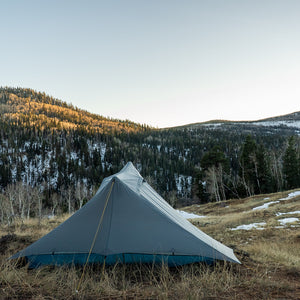
Tayson: Yeah. Well we'll even do a little bit more than a sneak peek. We're gonna, we're gonna be releasing this product next week, but for our podcast listeners, we're going to give you an opportunity to go check this product out and buy it right now if you want to. So that's, you can find that on our website and we're gonna give you a discount code. So those of you that are like instantly running over there right now, I'm just gonna hurry and say this but if you use discount code podcast, as you check out, you're going to get 2 5. 0, 0, 0, So back to the idea. So this idea initially came from the launch of our two-person tent. When I launched that, I asked our audience. I said, when we go to design our next tent, what do you want to see? And what size do you want to see it in? And you know, the numbers were almost unanimous, everyone wanted a one-person tent. So from that day on we're like, okay, we need to design one person tent, it took us a lot longer than it should have, because we don't have that product designer yet. So that was, that was, you know, phase one of of using our customers for the idea and then definitely phase two was was it needed to be lighter and that was something that I'd kind of made. I feel like a mistake on that two person tent was it was just It was too big compared to all the other two persons on the market and made the wait go up and it didn't, it wasn't, you know, people were able to compare Apples to Apples because it was in between, you know, a three-person and two person tent and and that was a little bit tougher. So this one, we definitely You know, focused on weight as the primary driver of it and I would say actually the weight and the usability, you know, we didn't want to make this like a mummy like a mummy bag inside of a mummy bag. We wanted to make this something that was a shelter that you can use but it's still really, really light. Um yeah. That was kind of the idea stage. So next, you know, we started to look at this, you know, how can we? And we got some really good reviews review feedback. So we sent this off to some YouTubers and some YouTubers, you know, the two-person tent and they, you know, they bashed it and said the things they loved and they didn't like and and they pushed that forward and So as we went into this, it definitely weight was just a huge huge thing. So first off, the first thing I wanted to do was I wanted to build A kind of back polls. So for those of you that don't know and that's DAC holes, there really the leader in the world, at developing the most lightweight and strong. And poles anywhere.
Dave: Yeah, he could talk about like the process of Getting those polls from from them and working with them. And, you know, it's definitely some stiff competition. The, you know, the big, the big boys are using these these poles and So what that process, I was curious to hear how that took place.
Tayson: Yeah, So these these back polls, it wasn't like, you know, some other stuff where we say, this is what we want and it's easy accessible. It was more. So like I emailed them and I never heard anything back. I'm trying to get a hold of him, you know? I'm trying to work down these Supply chains and build these relationships. And fortunately about that time. There's the or show.
Dave: Yeah,
Tayson: So I went to the or show and I was able to meet someone there and talk to him and they just flat-out told me. Like,
Dave: I remember I remember this conversation.
Tayson: Yeah. Yeah, you were there and they're they're just like You know. Yeah, you know this is this is the system you have to order x amount which is a pretty high mlq. We're super backed up. We've got all these everyone wants to work with us right now because we're making the best stuff and So get in line buddy you know type of a thing and But we were able to work with them and and essentially, you know, get those polls and get them built into our system. And So that's honestly, one of the biggest reasons. This this tent took So long is to get our first set of prototype polls was like two months and then we, you know, we confirm that that's what we needed. And then they're like, okay, wait for months, you know, and it was, you know, sometimes working with these premium, Fabrics materials and things like that, definitely adds the lead time it adds to to, you know, just all these different elements of this but I I didn't want to stray. All right, our manufacturers say, hey, why don't you try these poles? They even sent them to me. They're like look, they're only a few ounces, heavier, Etc, but that was something. I definitely didn't want to budge on. So we got our deck pools in this in this tent and I'm super excited about him. Super, super light. Um, So next, you know, big thing that I wanted to look at was, you know, other ways to shrink that weight down. So the two things we mainly looked at was was actually the build of the tent the overall like footprint and size and different like that and then materials. So I'll stick with materials for just a second but for the materials on this tent, you know, we're using a 20 denier and a 40 denier fabric on our Dominion 2.5% tint. So the 20s the rain fly the bath of floors, the 40 diner with this tent. We actually took it a step farther and we did a 15 ten year, rain fly, And we did a 30 denier at the floor, which raised the cost again because the Fabrics. I mean, the lighter you go, just more expensive things get but I'm telling you, these things are super light. We did the same to look nice treatments as the original tent. So it's it's a lighter weight range proofing. It's all seen taped. But we're able to do that with shaved awesome. Additionally, we went back to it as well and we started to look and say, how can we shave the sock even more? And as we got looking at, it just usability. I mean, I spent a good amount of time and that two person tent and took some serious weather on it. And what I found is that like that white material that kind of goes up sideways on the mash. That really wasn't helpful either. So really we, you know, was cutting down breathability but it wasn't adding anything. So what we ended up doing is we actually took the bathtub floor up a little bit higher in certain spots where we needed more coverage. And then we go straight to a mesh fabric, it's gonna increase our breathability, but all So gives you just fantastic coverage, you know, like on the foot end and the head end, you know, the bathtub floor comes up a little bit higher and then it dips down, you know where the door is where the best deals covering it. And So we really paid attention to the fabrics for using and then, how are using those Fabrics to just further, cut down on that weight? And then comes down to like the foot So to use ability Factor. So one thing I really didn't want in this tent either was the kind of tent that you know you don't have any Headroom like your head scraping the top all the time which is I don't know. It's just cuz I'm a bigger guy but some of these other designs it was just it was always happening and it really didn't enjoy that. And then the other thing was like when I sit up and I want to put like a shirt on or a jacket on I hated. When I be bumping the side and connotation was falling on all my gear and stuff. So we what we decided to do is actually give ourselves a more vertical sidewall by making a bigger, why section you have to kind of picture this in the pole structure. There's a bigger white section on the head end. Also wider. So it's 32 inches wide near your head. I find that that's typically where I'm like shoving my little goodies. My clothes stuff that I need to get to that's right by my head. I just kind of store that there. It's your 32 inches wide there with a steeper sidewall and then the foot end, we actually tapered that down So that the Y section is not that high off the ground which makes it. So it's a true freestanding tent. So one pole system And you've got the usability factor because it tapers down to 28 inches at the foot, which keeps the footprint. Very small in general, but it's more usable. And then we did one crossbar. Also 32 inches wide, which means when you sit up and you're putting on your jacket, you've got room without bumping the sides or, you know, your shoulders aren't dragging on the mesh, things like that. So just makes it a really usable design
Dave: and then the footprint of it will our longer wider pads fit in, in this new tent.
Tayson: Yeah, So, So the footprint of it, I just kind of went over the side, you're 32 the head and 28 at the toe in our long wide pad is 25 inches wide and then the length of it is 85 inches long whereas our pad is 81 inches. So I mean you've got, you definitely have the room in there for the long wide pattern and then some
Dave: I mean, and then what I really like about it too is the best of the gear garage. I mean, that that's really for me that's like the most important part of a tent. Personally, that, in the side, the side door, I had a tent once that had the door and in the front and, you know, just two person tent that Is not ideal me. And my wife were just crawling on top of each other, trying to get out. So the gear garage for me is like a moss on on any tents. I was super excited to see that. We would, we would still have the gear Garage on there.
Tayson: Yeah. I definitely am a firm believer inside injury. I, you know, I got a tent once that was the rear entry and it is, it is a constant battle. I don't know why, but I just really dislike
Dave: And then I mean maybe you could talk about the prototypes and all we had a few different prototypes in here that we are consistently you know, trying to tweak and make better and better and better. And So I don't I don't know what the final count on on prototyping was and things like that but just maybe some early feedback from from prototyping and people that have used it in real life situations. Yeah,
Tayson: I think a lot of people actually like like, especially like those that follow us on Kickstarter. Sometimes people use that as a badge of honor. This is our 32nd prototype and you're like and you must not be that, you know, like I don't use that as a badge of honor by any means. Fortunately having the one, or the two point five person Dominion tent allows us to shortcut a lot of that. But we probably had three to four samples different polls, different Fabrics, just all different things
Dave: outside was sweeped out a little bit. And we yeah, the width of the cross bar and stuff like that was Definitely some nice stuff.
Tayson: Yeah. I mean the goal for me is to get it as close as humanly possible to what I want but you're always going to have to do multiple prototypes, in my opinion. I mean even with our more simple products like a sleeping bag, I often have to do multiple prototypes to get it right? But I mean ideally in a perfect world, you nailed it on the first thing and that's what we'll keep working towards, but I definitely. Yeah, I don't ever want to have 30
Dave: prototypes. Yeah that'll be the goal for us. New new designer, hit it on the first
Tayson: try. Yeah, well, no, we got the right designer when he can nail, you know, this on the first try on our design. So So we kind of talked about this on this build on it, I'm sure you've got some more questions to ask me but I'm sure people are really interested with the weights are, right? Because like our 2.5% tint, you're like five pounds, people are just man, it's heavy, it's heavy, it's heavy. And So we, we had a few Benchmark tents that we were looking at in the industry and saying. Okay we need to be right there in the mix with them and I'm very happy to report that we're actually less than some of them. Some of the most popular tents, I mean anywhere and we're just a hair less than them. And there's you know, there's some that are just a hair less than us, but we're right there in in that. So Trail weight on this one. Person tent. You're looking at two pounds nine ounces. So Pretty, pretty happy about that. Packed weight. You're looking at two pounds, 14 ounces. So you don't know. You're probably interested. Okay. Let's throw away. What's packed weight? And it's funny because everyone likes to compare trolley but really packed. Weight is the moralistic measurement show. Wait means the weight of the tent body the rainfly and the poles. So that's two and a half pounds essentially for this. The packed weight is when you include tent stakes and you include what else did I leave off there? Like just everything else that like is going to come like ride it like as it's going in your back. So like the carry socks. Just different things like that. There's certain nickel and Diamond up a little bit. And then, obviously this, this tent is designed like our Dominion where it has the ability to run, just the footprint and the rainfly, we call that our ultra light mode. And with that setup, you're looking at two pounds. Even So, for for a full free, standing tent and a one person's size, we're pretty, dating excited about some of those weights. And then it just gives people a lot of ability to adapt and change. You know if they you know a lot of people like ask me about babies like you guys have a baby you have a baby and to me I'm like I mean one day we might design a baby. It, I'm not gonna say never, but at the same time, like, if you're on a baby, maybe you just want to run the ultra light mode. It's gonna be if you ounces heavier. But you're going to have a place to store your, your pack and, and all your gear and spread things out a little.
Dave: I mean that's that's how I use it. Pretty much all the time prototyping and testing it was just the fly the ground sheet and the spike. So, and that's, that's really and that's, I don't know what that way is in out, but it's not thing. Hey, for me, I feel it's, it's So that's how I run it pretty much. Three seasons.
Tayson: Yeah, it's it's super super small. You have to go look at some of the pictures next week, you know, from the launch date of this, you know, we'll release a video about it and do a much more hard launch, you know, for people to go see it but for those that are on the podcast, they'll be able to go look at it right now. There's some pictures up and some different things, but yeah, it's it's definitely small. We just took it to a bunch of shows. People were crazy about it, we had a flu in 20 of them, just to take the shows and we sold them in no time. People started back ordering them in ordering them on the website. Like not you can order on the website but we would take some orders there and feedback people or I was very excited about it for sure.
Dave: Everyone wanted to pick it up. I feel like everybody walked by tried to, just pick it out and pick it up. Oh my gosh, it's So
Tayson: light, So light. So I was definitely some good feedback and and yeah, I mean, I its been fun. It's been a fun project. Like I say, like going through the manufacturing side again. You know, sourcing out those polls and different things. That's definitely a part of You know, where where I still want to be a part of the design process is developing those relationships and working down Supply chains and knowing where every single piece of our products are coming from. And and you know, we did that with the DAC, polls, we pushed it farther and what, you know, we went to a 15 denier nylon and and for the ripstop nylon for the for the fabrics and and we just kept shaving off weight and it's always fun and to get through this, get that first prototype, you're super excited. That's where it gets tough. For me is when I get the first prototype, I just want to like start talking about it and start showing it to our audience and and stuff. And So I mean you kind of heard today that we've got some things, you know going and I'm sure on the podcast, I'm gonna leak some things but yeah, it's just super fun. So I say if you want to, if you want to go check that out, it is on our website right. Now again that's podcast. If you use that coupon on a check out you get 25% or 25 dollars off of that purchase, we're going to be selling that for 200. You'll also probably see right there that the Dominion one person tent is marked down. It's actually gonna be cheaper to get the Two person test. Sorry, then the one person tent and that's because we're actually trying to, to move through some of our last inventory there, So that we can go and redesign that tent as well. And, you know, get back pulls in, it update, some some of the Fabrics updates, some of the pull structures, and kind of make that super competitive, two person tents. So, if you look for, I mean, there's uses for both I know. And Colorado, I was out Backpacking with one of my brothers and we had the two-person tent, it was super nice because we were in the winter and we could spread out and have all of our gear in there and then he left and I still only had that two person tent and man, I wish I had the one person because that thing was a little bit heavy when you're going solo
Dave: and that that the two person tagged, could I used to run it at the fast and light with that too? That's another option that people can could use the two person tent just get rid of the body of it. If they, you know, they want that extra room but they don't want, you know, The weight. That's another, another good. I think, I think they can totally do that in the three
Tayson: season. I was pushing this tense limits and it was oh and snow sideways and it just would have covered my gear. But and yeah, I often use the two person tent with the fast and light and it was still a really good setup. One thing we did do with the one person tent is we added additional guy outlines that were right next to the ground So you can really stretch out you know and divert everything far far away from the footprint which is been nice on the back side. So there's two vents on this on the backside. You can also pull off that fabric which gives you, you know, potentially for small gear maybe even a second All small vestibule type area. It's, that could potentially still be usable but it's also going to allow it to breathe really well.
Dave: And you're saying you're probably gonna roll out a YouTube video or something like that with with some more information. Well, not necessarily more information but some some. Yeah, that'll probably be out by the time this podcast comes out or what do you think,
Tayson: probably a week after? So we're gonna, we're gonna put this out in our podcasters are diehards, are gonna get to take a look at this before anyone else? And then we'll do kind of a more quote-unquote hard launch to, to the main list. And, and to, our YouTube subscribers about a week from when the stairs
Dave: Cool. I mean for me that's really, I would say most of the questions that I have. Gear design. Manufacturing wise, anything you have, you really want to get out there talk about? I mean
Tayson: I think you pulled some good stuff out. I mean we definitely went in some directions today at I wasn't totally planning on but I feel like it really worked out and showed some insight to, you know, some of our core values and things were doing but I would say overall like just just I'm super excited about this tent and the reason is to me, you know, it's another one of those products that I'm just super, super proud of. It's another one of those products that You know, we redesigned. I feel like there's kind of two Outdoor Vitals. There's like the first Outdoor Vitals where we, like got started, right? Like, like we got Off the ground and we we brought on you know we're able to scale a little bit and and whatnot. And then there's the second Outdoor Vitals where we were able to just dial in what we want to do. And we don't have that fear of like, is this gonna sell is our price point too high? Is it, is it this? Is it that I mean, if you look at this price point, I was telling you guys certainly, you know, I I just happened to look at some of the other tents out there is price points and I mean, we're crazy, crazy competitive, crazy. I mean, 100s of dollars less. But, but what's So cool is like, I wasn't designing with the price point on this one and that's So fun for me is to just be able to focus 100% on the usability of it, 100% on the tent itself and what we want to put into it. And our manufacturing, our relationships with people, they're just an opening new doors and new Pathways for our design. And So I'm super excited to bring products out like this because I know how much people are gonna love them and I know, you know it's it's it's Gen 2, Outdoor Vitals essentially.
Dave: And then maybe a little off subject, but if you could quick little update on Kickstarter, Indiegogo like how that's doing just. So maybe a little bit of update on that. I feel like we do get a decent amount of questions So be good to let the glisters know on how that's going and where we're at. Yeah.
Tayson: I mean that's probably a whole nother podcast. Yeah. For sure itself like the design process of the jacket and what that was like because that was such a unique experience for us. To be able to bring that to Market and and have success with it. But yeah, the current status, the jacket is I mean it's under production. It is clicking along. We are. We're hoping to make those same delivery dates that we've promised. We're definitely right there in the mix. Like I say it's really going to come down to some ship times and I mean I know that that like the Chinese New Year and a few things set us back a little bit further than I would have liked but we're still hopefully right on Pace for that. We have shipped some jackets to those first backers and they had A small issue with, with the face fabric, which we changed for the big production and So the people that got those, they had the option to opt in for that jacket, with a known issue or, or wait. And there's been a lot of people that took that first jacket. And I mean the user hitting YouTube, and people are really loving the jacket. Some of them are things that I wouldn't even claim myself, negative 10 degrees. I was still warm. I mean that might have been extreme but at the same time people are just loving the jacket. I'm super excited to get him into more people's hands. I mean, people all the time, you know these shows I'm waiting for my jacket. Yeah.
Dave: And
Tayson: I'm Just really excited for him to get in people's hands
Dave: and where I haven't checked in a while. Where is it at like sales while? Oh
Tayson: yeah. So since Kickstarter ended, we ended at 757,000 it is Over 850,000 now. So, essentially what's happened is we put it on to Indiegogo. It's just kind of living in that space right now where it'll just continue to pre-sell it a little bit higher price than Kickstarter was like, our first initial backers. Got the best price for sure. But yeah, it lives on Indiegogo right now and people are being able to snag that for. I want to say, like 115, So about five dollars more, but it just continues to trickle away. And we've, like I said, we've added another 100,000 dollars in sales on the jacket. And it's actually started to pick up steam when we're doing another, you know, one to two dollars a day on that jacket. So it'd be super cool if we raised a million dollars on that before it ever shipped, I think it's worth it. I mean, it's, it's truly not amazing jacket. We live in them every day. I mean, I was just out washing my motorcycle yesterday has gonna sell it and I was washing it. And I was in The Loft, tech jacket, and my little boy, Atlas, he started spraying me with the hose. And I'm just, like, So glad I have this jacket on right now, and then last night it snowed. And So I mean, He's cold and I'm getting sprayed with water and it's just performs in any condition and So I'm really excited for people to get them.
Dave: Awesome. Yeah, definitely gotten a lot of good feedback from it. I guess. That's really it for me today. You know, if you like the podcast for sure, make sure you're leaving a review iTunes, Stitcher, wherever you really listen to. A lot of people have said, they're unable to leave reviews on their platform. So if that's the case, definitely head over to Stitcher iTunes, you can leave a review there in the reviews. Let us know what you like, what you don't like, what we could do. Better. What you want to hear? That's kind of what we came up with this episode. A lot of people wanted to hear what's going on inside the brand. So, maybe, every once in a while, we'll do some shorter Inside Edition type of episodes or something like that depending on the feedback. But So far, the feedback's been really good and just let us know.