[00:00:01] Tayson: Here's the big question, how do we lighten our gear and build our confidence. So we can start living a life full of Outdoor Adventures and memories without having unlimited amounts of time, money and previous experience. That's the big question and we are here to help you find the answers. This is the little trolley podcast power, bi Outdoor Vitals. Hey, welcome back to the Live Ultralight podcast. Today, we are doing an episode of behind the trip here at Opera vitals. We do a monthly team trip and this time, we had a pretty big crew, go out with us, we went down south getting a little bit better. Whether dropped in the elevation from where our headquarters are and went and hiked around through the desert. So, let's go really quickly around the room. Introduce everyone who's here, tell us your name, and what should you do around Opera vitals? And then we'll start moving through more details about the trip and how it went. So start with you Derek? Yeah,
[00:00:57] Derek: I'm Derek, I do a lot of marketing, and Jose other question, just What we liked about the trip.
[00:01:04] Tayson: Know that. Was it. Derek you do marketing? This year.
[00:01:13] McLean: I'm clean. I just got hired on as a customer support and Warehouse Foreman.
[00:01:19] Brigham: Brigham, I do product design.
[00:01:23] Tyler: I'm Tyler and I oversee our operations.
[00:01:28] Tayson: Okay, so we got a big crew here in the studio to talk about the trip. I'm gonna jump in more specifically to just some some questions. But for starters, just a little bit of context, this trip was a much shorter mileage trip and a lot of our other ones. So as far as the physical toll of the trip, it was pretty flat. It was pretty easy hiking. We were hiking through sand temperature wise, we started off the hike in the high 70s and the overnight low is probably around 50 degrees on usually just did not get nearly as cold as we were expecting. So a lot of us had way too warm of clothes or to warm up sleeping bags, which or topicals which we can talk about as well. And then, we're just hiking around some Red Rocks, you know, different Cliffs. We went past a place called The Ant flats and and now to some another place called The Candy Cliffs, I believe Tyler plan the trip so he probably knows more about it than me. But Just to jump right into it. We're gonna go around the circle. And we're gonna have everyone, answer the question of what? Is the what is your favorite thing that you brought on the trip? Starting with Derek again.
[00:02:43] Derek: Favorite thing I brought on the trip. Honestly, we're Maddie's homemade Clif bars. Those were delicious definitely, my favorite thing I brought All right.
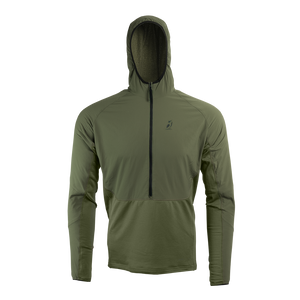
[00:02:55] Madi: Thanks. Eric, my favorite thing I brought was probably the Ventus Hoodie.
[00:03:02] McLean: Yeah, I'd have to agree. I got handed a Ventus right before. The trip. It was a sample dentist. But um so I just slipped that on instead of my loft Tech and that was killer.
[00:03:18] Brigham: It's kind of tough one. I did bring Reese's Peanut Butter Cups, which we had
[00:03:23] Tayson: a discussion on the trail, but it's not real peanut butter in those, he brought him because they were the organic candy more healthy and organic than gummies.
[00:03:33] Brigham: so since Derek already listed a food item on my favorite, Hmm. My favorite me. I don't know, probably the the hoodie that I was wearing its prototype hoodie. It's pretty pleased with that.
[00:03:55] Derek: And those of you that can't see, it's not the Ventus Hoodie, like McLean. And and Maddie mentioned, is that, it's a different prototype, but a different sample of something else.
[00:04:04] Tayson: Yeah, something that's in the works. That'll be talked about later this year, so you may see it in some of our video footage, but we won't, we won't dive into the details here, but it's really cool piece. I was wearing it and it was nice. It's definitely nice.
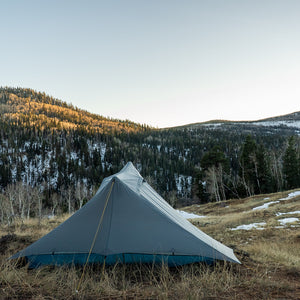
[00:04:19] Tyler: I got really lucky and had a couple of cool prototypes to take and so, I don't know which would have been my favorite. I probably say that. The two person tricking pool tent was my favorite. That thing is pretty roomy and pretty light.
[00:04:40] Tayson: So sleep with like your arms and legs just as wide as they go.
[00:04:44] Tyler: I had stuff strong out everywhere and it was awesome. So
[00:04:48] Brigham: it's a perfect size for you.
[00:04:51] Tayson: Gave your room when you woke up in the middle of the night. Overheated.
[00:04:55] Tyler: Uh-huh. Exactly. I needed it for sure.
[00:04:59] Tayson: for me, favorite thing that I brought That's tough. I was testing out a new backpack, travel pack that you'll see some teasers in a video soon and I really like that. I worked really well but two other things that I had a bunch of favorite things. I had some sleepy chive before bed and that was kick butt. Like I didn't even roll over it and feel like until 4 a.m. so that was way, nice. and then, That's a take a new drone that we had. So I really enjoyed waking up and flying the Drone around camp and she's getting some really cool footage and shots and just about took Maddie's head off at one point when it was doing an auto trakk function, and So it was fun. It's fun to play around with the Drone. So I had a lot of favorites. All right, let's flip back around. What would you have left behind? Trick.
[00:05:54] Derek: I think I actually did really well. It just bringing this stuff I needed. I didn't have any extra jackets. I didn't have anything extra at all. Really I would have left behind a tripod just because I would prefer not to carry that thing around, but that's really the only reason I did still use it. So, I mean, I don't have a good answer to that question. Eric. Just wishes that we'd all carry
[00:06:17] Tayson: camera gear and We refuse, so I can continue.
[00:06:24] Madi: Maddie, I probably would have switched out. My zero degree sleeping bag for something, a lot less warm for that trip. So,
[00:06:35] Tayson: Sears, you're telling me that if you buy a zero degree sleeping bag, it doesn't work for every temperature range out there,
[00:06:42] Madi: I would say. I made it work but
[00:06:46] Tayson: that's a pretty good theory. Like we get that Aston customer. Support is like, oh, what temperature rating should I get? And a lot of times they're saying like I just want to zero or there's a lot of people we contact that are like I just want your negative 15 to degree like limited edition bags because I don't want to be cold. Like, that's all they can get through their their head. But on the flip side, It was pretty hot last night.
[00:07:08] Madi: Yeah. I mean so basically, I was either Overheating and couldn't sleep or I was too cold and so I kept waking up. So what I did was I took the zero degree sleeping bag and unzipped it all the way turned it over and was using it as a top quilt. So I could get a little bit more ventilation in to some of the cool air and some of the wind coming in and it worked pretty well. Once I figured out some of the technique but I definitely would have switched it out for maybe a 15 or even 30 degree top quilt.
[00:07:40] Tayson: Yeah, I had a 15 degree top quilt and it was a part of type. And it was even too warm. like, you can vent to top quilt, which was nice, but 30 degree bag would have been more than enough like more than enough last night. It was, I couldn't believe how warm it stayed first Springtime but Glenn.
[00:08:00] McLean: Yeah. I mean honestly I was kind of like baby bear the whole time everything just fell right like Nothing goes. Nothing was bad,
[00:08:09] Tayson: not too hot, not too cold
[00:08:10] McLean: and I was told to bring a beanie and that and that was a good emergency use but I didn't use it. So If anything. but, like, that's my first exposure with the The backpack, the hiking bag and that way, the Shadowlight that was that felt right the whole time. The tent was good. Yeah, everything I just didn't use the opinion. That's it.
[00:08:38] Tayson: That's, that's pretty good for your first trip ever. To feel like you don't have that much you would have changed. Yeah. For sure. And
[00:08:45] McLean: honestly I thought you guys would prep me more. But really what tasting did is he handed me the the manual that we hand out in all our packages,
[00:08:52] Tayson: translate to go back to this checklist and
[00:08:55] McLean: Take care of it and that's all I did. Brigham helped me adjust my back a bit, but, yeah, I'll surprise. I went straight to that manual checked. It all off and it's good. Yeah, we actually have a podcast.
[00:09:06] Tayson: I think we've already recorded it, but I don't know that we've published it where I just Deep dive about checklists and how well me and bring him about how powerful they are and how much Security and safety, and just everything comes from just following a checklist. Every time I go backpacking, I pull out our checklist and I grab the stuff, throw it on a bag and I go like that's that's as simple as it can be and checklists are super important people. Like people think you have to have a ton of experience and know how to go backpacking when a lot of times it can be done by just having the right checklist in the right. you know, just the right a little bit of advice, you don't necessarily have to have Everything dialed in perfect and all the all the experience and stuff, it can come down to just having the right checklist. So yeah
[00:09:55] McLean: and these are good when I get back that a little bit, I mean I'm a car camp for this is my first time actually backpacking through And it was great experience just via that checklist, you know? So yeah. Brigham.
[00:10:08] Brigham: A few things I would have done differently, IE or and or left behind. So I brought a regulator down jacket also because we're kind of working on some other jackets. And so that's been a while since I've used the regulator. So, I just want to Get that more fresh on the mind as we'll be. Testing some other stuff soon. But it was way Overkill, you know, like that's a very warm jacket for a 50 Green Knight. Let's say, I also. A lot of us were using prototype 15 degree, top quilts. So I have one there's again, it was temperature wise Overkill but, you know, like you have to use them, you know, like we had the testosterone and see if they function properly. So Play with. Left a 15 degree back at the office and used a 30 degree, but we don't have 30 degree prototypes right now. I would have, I was also using a like, Called an R&D pad. That was way bulkier than I needed to that's not for spring or summertime whether it was way Overkill. Would have left that behind that one of actually save me a bunch of space. Yes.
[00:11:29] Tayson: Or packing in these prototype travel packs and space was like, if you're going to really
[00:11:37] Brigham: backpack with these like spaces of Premium careful about the space which brings me to see like the next one I took a two-person tracking poll tent. I would have just brought a one-person training bulletin, we've only got I think one I couldn't find the other prototype, so I know, right? And so it's, you know, the next option was a two-person. So again, that was just a little bit of extra weight and bulk that I wouldn't choose to take, but it all still all fit, but it was just a little bit more careful backing it. Everything else. I think I would still would have taken. Yeah.
[00:12:21] Tyler: Tyler. Um, yeah. Like Tasting and Brigham. I got hot. In the 15th amazingly well, but I made the mistake of setting it up and then laying down to test out my my setup and then I just instantly fell asleep and woke up and
[00:12:44] Brigham: that's Sleepy Eye. I made you. That's what it was,
[00:12:47] Tyler: but I woke up like sweating so bad. So I had to make a lot of adjustments in the night, but I I like the top quilt a lot. So I would bring, I'd probably still bring that the main thing that I wouldn't take with me on a single nighter, was just the external battery that I had with me. That was the most deadliest. It didn't get used and they're probably was no chance of it being used on a one night. Trip. So, Yeah,
[00:13:19] Tayson: battery management. Like that is is Quite easier on a one night and I think that it's something I'm trying to work on too. We talked about it a little bit on the hike but You know, when we did even that Pine Valley through hike, I think I went two and a half days without needing a battery as long as you just manage it super well. And so yeah. There's some, there's some things I might expand upon more and ways that I'm trying to utilize that because of those battery banks are just heavy dead weight. They're just heavy.
[00:13:47] Derek: I think it's kind of interesting that so many people took 15 degree top quilts and had different experiences. Like some of you guys have said that you've been way too hot with the 15 degree top quilt, right? I also had a 15 degree top quilt, but I was just perfect all night. I might have used it a little bit differently but I loved having that and I thought, you know, we've always kind of recommended if you're gonna have one piece of gear that you want to use the most throughout the year in different climates and temperatures that usually, Recommendation is the 15-year quilt. And to me that held true once again, it's happened. Many times for me before, but on this trip again, perfect temperature. So, I wonder, I wonder if there's differences and base layers or what we were doing, because I didn't have any problems at all temperature.
[00:14:35] Brigham: Well, I would, I still agree. That is probably the best single choice for a top quilt. Because of what you probably did which is what I would normally do. If I'm not testing again, like I was specifically testing, How this thing Buckles in, how it seals out, penis, the drafting this. So, like, I always sleep in the same thing. I always sleep in a light base layer, top and bottom, and that's it. So for me, like, limiting myself, meaning I made it. So, it was too hot because I was testing the function of it specifically, but like the beauty of the top will is, you can start on buckling things. You can start hanging the leg out and like you actually can significantly reduce the temperature rating of your bag by draping it and set of like wrapping it around yourself, but I was in the same exact boat,
[00:15:34] Tayson: like I started off the night wanting to see How much these, you know, the the samples were, you know, we were able to reduce draft. So I cinched, I did the top buckle and I did one Buckle, the lower buckle. Thinking like yeah, I want to see off the drafts and that worked super well but I was I got way overheated because of like unbuckling everything and laying it on me. Like a blanket. I got way too hot. And by morning, I was like, why am I, why am I doing this again? So I started unbuckling everything and was, it was a lot better, you know? But yeah, definitely proved to be way. Good on the drafts side of things. But also when it is cinched down like that it was also a way way hot. So, Yeah, that that would make sense because I
[00:16:18] Derek: definitely definitely definitely never bubbled anything on my quilt. I actually started out the night with a quilt, just on my feet and my legs and that was it. And I fell asleep like that and then later on as the night goes on, it gets colder, just flipped it up, on top of me and slipped the rest of the night. And so, yeah, for me, that was perfect. But definitely, that was a kiss, a different use case.
[00:16:39] Tyler: Yeah, I even still had the dentist on when I first I did
[00:16:43] Derek: too. I had the dentist on top and then just the topical on my legs and I fell so good. I'm not gonna change anything. I thought
[00:16:49] Tayson: I'd sleep. Yep. Yeah. Yeah I know. Those are I can attest all of that. I almost fell asleep. On my Ventus, on my gonna eat way too quick. Pull that off. So the thing that I disliked, the most is actually something I still love those. Just improper application for it when we went hiking with Devin. Ashby brought up a points for hiking in a ton of sand and in a river. And he's like, oh yeah, I just wear Gore-Tex Trail Runners, anytime. I'm hiking in the sand. Keep the sand out of my shoes. I just need to apply that advice because I have these innovate Trail Runners but I absolutely love. But at the same time they are like a sand trap, the sand goes in and it does not come back out. And so on the way in, I dumped sand out of my shoes once or twice and that helped. But by the end, I was like my feet feel like they want to blister and there's no reason for them to be thinking that because this is not a long hike. There's no, like, it's It was just the sand was just working my feet and then on the way out again in the morning, so if I could do it all over again, I would bring shoes that were less vented. So the sand could not get into my toe box and just pack my toes in there and then and then grind on my on my skin. So that's what I would have changed. If I could change anything and cross my fingers that the next time I can sand, all of apply that change because it's not fun to Just steal your sand, your shoes up with sand and have that start working on your feet. So, All right, McClain you kind of brought this up to, this is really your first backpacking trip. You do a lot of doors stuff between car camping, day, hikes, all sorts of things. And you've got a lot of experience with with Freight, which is how you landed on the team. But let's talk a little bit more about your first backpacking trip. I'd love to hear kind of your before, thoughts. As far as like, what type of anxieties, like a lot of the big thing that we like to do in the podcast. And with any of our content is, you know, encourage people to get Outdoors that haven't been Outdoors before. And so, you're a really good, you know, Avatar per se or someone to just pick on, for a minute, to kind of talk through, like, what did it feel like when you're like, gearing up to go and backpack? And you know, kind of the before and after of that like, would you What would you say to someone or? How did you feel like guests to someone who maybe doesn't have a team to go backpacking with and kind of more or less? Hold your hand and kind of Coach you along the process? Yeah, I mean what was kind of your state of mind coming into this?
[00:19:26] McLean: Yeah, I'd say there was a sense of anxiety. I think some of the smaller questions, like what shoes am I going to wear? Oh my goodness sleep. And what's my shelter? Those main things and all food food was a big one, that was a little bit of concerned so there was a lot of anxiety going into it, but like I said, I was surprised you guys didn't help me out more with my preparation. And so I just used that checklist and really relied on that. um, it does help that I I could use certain gear around the office and stuff like that but I think going into it, there was Almost an anxiety and a certain. Body. Oh, I've got to spend this much to be able to go out and do this.
[00:20:12] Tayson: But really we kind of talked on that a little bit. As far as like, our advice is don't buy things. Like don't buy things borrow things, right? That's a really big one. you know, a while back when we've had Dave on the podcast, that's something he really harps on new, Backpackers floors like You got any friends or anyone that you can go borrow things before you buy things because you really figure out what you like and dislike how much were able to borrow or how much did you feel like you needed to acquire yourself?
[00:20:41] McLean: Well, I acquired a spoon, a spoon because You
[00:20:50] Tayson: advise to Tyler sleep each eye.
[00:20:58] McLean: But yeah, I mean, I use your pot to boil and I actually what was cool about that was like I gotta see everyone else's carrying Pocket Rockets or some sort of version of that and you have an alcohol stove and so just borrowing that I get to see like, okay, what do I want in the future? Also borrowed a summit bag. And yeah, that was really great. What I think the difference you guys were on top, quilts, and I was in actual Summit and I just had that thing of zipped all the way but I had a mummy mummy liner or a bed liner or whatever. And I just use that all night and that kept me. Warm enough to keep the draft off, but I never got Hawk. Some was on said, but I guess the answer question. I borrowed the tent borrowed a bag. Even a shadow, like I was Shadow light. Like I said, I kind of felt like baby bear or whatever where everything was just right. And so I may try to Adventure out of what I did borrow and if a few times and then, if I do like what, I like to this first trip, I'm just Commit and buy those products. But yeah, I don't that's a question.
[00:22:17] Tayson: No, I think that's really good and to kind of build on that last part. Like how much of the gear that you borrowed? Would you be willing to To buy now or like how much of it is to like man there's still so much. I want to learn per se. Like if you're to tell someone like yeah borrow gear for your first trip or do you feel like it's gonna be a pretty good process before you'll start spending to acquire like stuff? Like no this is a staple for me. I want to put my money there.
[00:22:42] McLean: Yeah. know I thought the summit would be a staple but then thinking about it more I was like well I kind of want to try the area because it gives you a little more leg room. I know I would be willing to carry a little bit extra weight but I was like, oh maybe I'll try and Airy, I'm kind of hesitant to try top quilt but like, I might do it and if I am become more weight, conscious in the future but I think I'm still gonna have to go out. Out times. Before I dial everything in. Yeah.
[00:23:12] Tayson: It's definitely an Ever. It's a lifetime thing. That's why every time we go around like we'll still talk about things we're dialing because it never was fully dialed. But No, I don't know. Anyone else have any questions for McLaren or just even around that topic, I was
[00:23:28] Brigham: curious if you had any like preconceived notions or like, subconscious biases about like whether what you thought you might like as in terms of like the gear or the actual sleeping in the tent type thing, like, Did you have any expectations that, you know, like you don't know where they came from but you maybe you just thought this is what backpacking was like versus like what we did or anything like that.
[00:23:56] McLean: Yeah and this is almost Culture? I'm, I don't know. So I do a lot of car camping and I like venturing, but I don't like always like committing with the backpacking and, and the overnight stays, but it was almost like I viewed it as Well, that's just a different breed that likes to go backpacking. Like it's just a way different breed. They like to go take everything up into the mountain and sleep with the minimal things. Like they're weighing in ounces and stuff like that. And then once I got out there, I was like, oh, that's not really it, they're just people going outside, you know. And they want to use gear that keeps them comfortable and safe. But they are conscious of how much it weighs so I guess. I felt like the culture was like, I don't know their own little cold, kind of thing, but coming out of it as just like, oh it's just people lined it. Go up and connect with nature and have fun. Nice. I had one. Yeah
[00:24:56] Tyler: and so you talked about a few anxieties prior aside from the gear, what other things were you worried about. Going out there just in
[00:25:08] McLean: general. Um, bears and coyotes. Oh, I've had a lot of exposure. Like, I knew animals weren't a big deal, especially in southern Utah, maybe run across the rattle. Snake. But um, one of the bigger ones is, I mean, I left my wife at home and we just since we've been married, we don't spend a lot of time separated and Social with her being anxious and at home, I had some anxiety about leaving her that was a general one. Food and water I think was anxiety. I know that kind of with gear but I didn't know how much to bring and looking back. I think I think I'll bring the breakfast meal because I tried some granola bars and it was good, but I think of breakfast Melrose really would have said, To my comfort level, just being there. But yeah.
[00:26:09] Derek: I think that anxiety or discomfort about leaving the wife behind that one, for me, at least, didn't go away.
[00:26:15] Tayson: So now she comes. So now
[00:26:18] Derek: my wife, she works with us and now she comes on trips and it's super fun but, you know, The thing now, your challenge is to get your wife into it. So
[00:26:30] Tayson: we've we've got a whole. I don't know if we've ever talked about it or if we've just always planned on talking about it, about just the idea of like how to introduce someone to backpacking. Obviously what we did with, you probably wasn't as Careful. But a lot of times people that love backpacking, their spouse doesn't love it as much or just to have an exposure. And so you really want to like protect how you introduce them to it. Like we need like a very deep passion for the outdoors. I don't think we're super nervous about it. About anything like with you coming out or like it will take care of you. We'll figure it out, right? I think there is a lot to be said about being super planned and careful about when you're bringing, you know, someone that you really want to have a great first experience, they'll do it again. so, you may see some, some content for us about just that conversation in the future and how to How to cultivate that and make it a good experience. So, Yeah. Okay I want to talk about something else. We set up camp pretty early. It was super windy and that we basically just ran out of Trail or wasn't a whole lot more Trail to hike in this area. So we we decided to play a game this time around. And we ended up deciding to play some. Some Bocce, Rock had some good time. Any thoughts on just Games around the camp. Any other games you guys have played before or just what you thought. You know how you enjoyed hanging out and, and making up. to your office, we went
[00:28:08] Derek: I liked it. I was thinking man. I'm gonna do this every time now like that's kind of my thoughts. Like I'd never thought of Doing it. I mean play Bocce before but Bossier Rock. I'm like you could literally do this anywhere, the Rocks, which is the entire world. So yeah. I was pretty pumped about that game. As far as like other things, I've done a camp or whatnot for fun. They've also typically involved rocks. Like I said,
[00:28:36] Tayson: throw rocks at a tree for like three hours. Yeah,
[00:28:40] Derek: yeah. Who can hit the brand or who can't hit the tree or who can? Yeah, do whatever is rolling rocks and skipping rocks and lakes. Yeah, like Tyler said. But I love, I love you. Ball was a great time is kind of like, you know, we've got the time and now we're kind of Make the most of it. And I was I wouldn't I don't think there's anything more fun we could have done that point. That was great. My mind.
[00:29:05] McLean: The only thing I was mad about is like it started getting dark and we kept just like playing into it. Like, it was way too dark to be throwing rocks. I was, I just wanted. I was like addicted to it. I wish we would have had glow stick on our our bocce balls and stuff like that.
[00:29:24] Tayson: It's getting a little more and more difficult to find our rocks, every time. That's for sure. I was definitely a good time. Any other like campsite games, you guys ever played? Or I feel like, I feel like the thing is anymore, which I kind of hate, but sometimes I don't typically do this. But sometimes I'll like, load an audiobook up, but it seems like it's becoming more mainstream for people to just like, climb into their tents and start watching a show or something that which in the winter months. By all means, like you're in your tent, like 10, 12 hours. So, you've got a lot of time on your hands, just trying to get out of the weather. But in the, you know, Springtime summer months, things like that. I'm kind of like, I don't really want to go back to the phone screen. So, Curious. If you guys have ever played any other games or just on anything else around Camp so to have fun and and you know connect and build relationships or whatever it is disconnect from from digital stuff. So I used
[00:30:24] Derek: to Or I thought of that, I've done a lot. It's not something I really recommend for everybody to do but I enjoyed it anyways. Sorry I'm pretty sure on the front lines
[00:30:34] Tayson: Derek you don't have always the best. You know like straight to customer advice but on the podcast that apply.
[00:30:42] Derek: All right, well like I said don't don't recommend doing this unless I mean if you want to I'm not gonna stop you but Throwing knives instead of rocks. And so, Yeah I used to do this all the time with friends and stuff we'd be out backpacking or camping or whatever and you stand a certain distance apart need to be pulled out a big knife and you throw it at the dirt by their feet and try to get to stick. Just like you're getting good throwing knives and and wherever you get the knife to stick. That's where they have to put their foot. And so you're kind of playing messing around with them, getting your knife to stick in the dirt further and further out until you're making them do the splits. Like, because they have to put their foot down where you threw the knife and where it stuck in the ground. And eventually the first person to fall over loses and or the first person to get a knife in their photo, so kind of
[00:31:30] Tayson: we're gonna scratch that one whoever's editing this podcast. Go ahead and edit that one out there. Just say knife, throwing it like a stump and I'm like yeah that's totally normal. Just you like,
[00:31:43] McLean: These rocks rocks would be the same. I guess that's too easy, I guess, but
[00:31:48] Tayson: but at least it won't stab yourself. It'll just Smash It toe. All right. Next
[00:31:55] Derek: Not necessarily recommended but I I've had some great times with that games. Any sales I do have all of my toes so case anyone's wondering where sandals, the office all the time. They're all there.
[00:32:09] Tayson: That's stuck to that person who's playing with before the game continues.
[00:32:12] McLean: I think, as far as being quite conscious, like, there's like Mountain Golf, Tyler talked about it, I Didn't think a lot of gains you can bring, but as far as just in general playing like any night game, you played as a kid would like tons of them. You can play up there. You just got like we were surrounded by cacti floral Cactus but that is probably one of the good to be playing that games and Diving around there, but in a moral open area, definitely making her phone. Yeah.
[00:32:46] Tayson: Yeah, I was gonna say even just just building out your own version of like a cornhole, you know again using rocks. I was kind of my initial thought that my gosh just played botchy Rock instead but Here's a lot of fun. I think, I think anytime you're out camping, little things like that can be a really good time. Another thing that I do like to do sometimes as well, the past the time, depending on where we're going is I'll bring I've got a really small pair of binoculars and I'll just kind of sit and watch and, and glass around. And that's something else that I really enjoyed doing. If we've got
[00:33:19] Tyler: free time around camp but One thing that I like and it's almost better for when you're walking. Then when you're at Camp is just like Giving everyone crazy. Would you rather scenarios and just kind of seeing what people say about? About, you know, would you rather? Fight a duck. That was the size of a horse, or would you rather fight a hundred horses that are the size of a duck? And it's just like you just put weird scenarios and like that and see what people say and you learn a little bit about the people that you're with and have some laughs. So I think those are fun.
[00:34:04] Derek: For the record. I would rather fight a horse-sized duck.
[00:34:06] Tayson: Yeah, Ducks would scare the crap out of me. So I got up close and they're like, got those
[00:34:12] Derek: eyes that just penetrate your soul and
[00:34:15] Tayson: Or a deck the size of a horse would be terrifying. Yeah.
[00:34:19] Tyler: So you'd take the hundred
[00:34:20] Tayson: horses. Oh yeah. Like fighting mice rather than fighting.
[00:34:25] Tyler: I feel like if you got a duck, the size of a horse, that would be like slaying a dragon. That sounds good. If you like
[00:34:32] Tayson: pretty freaking epic, I can Slayer track know. Yeah,
[00:34:35] Derek: let's throw my knife instead of at the foot. Yeah.
[00:34:38] Brigham: And it's be closed. Yeah.
[00:34:43] Tayson: All right, a little bit more on a more serious note. A stock for a few more minutes about the specific trip and just additional things that we learned and could take away from this area. A lot of us were using Trekking pole style tents, and it was super Sandy or hard rock. So Tyler, you were setting up a trekking pole tent for the first time. And we had to be very selective about campsite to find a place that we could all fit that wasn't just on Sandstone because obviously with the trekking pull tent, you've got a stake, it down, but maybe talk for a second Tyler about what it was like, setting up that tent for the first time, any advice on on the setup process or Stakes or just anything that you glean from that?
[00:35:32] Tyler: Yeah. So I took the town home the night before and set it up with my three-year-old daughter to try and make sure that I knew like how big how big the footprint was going to be and how to get it up efficiently. And and so when I did that, I was smart enough to like look at the weather and see how windy was going to be. And I I actually threw in four extra Stakes which is something that I don't normally do, but I threw in four extra Stakes just thinking. Like it's it's gonna be windy and this one has lots of guy outlines and stuff. But then when I put the tent away, I put it away in a big rush and it was kind of like, sloppy the way that I rolled it up and put it in my pack. And so, when we got out there, The wind was blowing pretty hard, like 25 or 30 miles an hour. I would bet. and, All over the place and we couldn't tell which side was which. And so I think that like the thing that made it, the hardest was just the way that I put it away. If if that would have been a little cleaner, it would have been easier but then we were trying to stake into sand and so that was a challenge. We were we had to kind of reposition a couple of times and then use the longer stakes in the like the wind load-bearing face of the tent. so, that took some Extra time. The main thing was just getting two people to help set up each tent and tag teaming, each one that we did was really helpful for the wind but we ended up having to hunt for some Small like bowling ball sized boulders to to make anchors for our tents because we were really, like, we were in the sand and a little bit of grass and some Cactus. And then we're right next to the Slick Rock. And so we just had to get kind of creative there having extra stakes and having some extra, like paracord or like, I like to carry the micro paracord because it's just so good. Yeah, it's strong and really light. Having that was really important because in the sand, the stakes just don't grab enough.
[00:37:57] Tayson: Yeah. But well, I would say to that too. There's two options, really? To look at if you're you know, this is gonna be a scenario. You can either look at longer Stakes or like snow in sand Stakes. Snow and sand Stakes are like big, and they just grab a lot of surface area. But they are heavy, they're like pretty dating heavy. So I actually had just nine, they're about nine inch Stakes, whereas, you were, probably running six or seven inch stakes, and that extra two inches that I was getting with my steaks made, like all the difference in the world. I didn't have a single stake that I felt like was going to pull out, but like all of the grab came in like the last two inches. So I think that was really a big takeaway where it's like if you're going to those scenarios, you know, grab your slightly longer Stakes. If you've got them because they they can make a difference. Yep. For sure,
[00:38:48] Tyler: seeing McLean and Derek and Maddie in the freestanding tents, just pop them up. And then start hanging out and we're over here. Like, you know, Fighting a different, totally different feeling wind. Yeah,
[00:39:03] Tayson: there's definitely a learning curve to setting up the freestanding tents and there's always more of an element of like, dialing it in for sure too. So, You save a lot of weight when you setting up the tracking pool. Yeah, yes. Sorry. You save a lot of weight with those trekking full tents but there's definitely an element of ease of use. That's, that's lost. And And just a little bit of fine tuning and dialing, that was something that I got to talk with McClellan about is just setting up your guidelines. And maybe that's a pretty good tip to cover. Here is a lot of people will set up guidelines as if they're anchor points or the poll the guidelines really tight. Which is not technically how you should be running a guideline, a guideline really should be. Not tight, but it should be firm. It should be like slacked. It should just be snugged up so that when the low, when the wind actually hits it, that's when it starts taking the load, we've you know, different tents and stuff that that lesson isn't always transferred over. So some people will tighten those, those tie points out, super, super tight, and then they'll rip them out. And they're wondering why they ripped them out. And really, the reason is that, that You know, your tent should be secured with its normal Stakes. The type points are for when it takes that extra load, so I thought that was maybe just something that
[00:40:24] Brigham: popped my mind to, to cover as well. I had a question for McLane so you have a free-standing tent but you were around, what, three trekking pole, tents. So Say you have been. Given a trekking pole tent and like give them the situation, you know. Like we were running into Sandy grass or just straight up sand. Would you have thought to? Like, what would your thought have been to to do to? Like, if you were trying to set up a tracking Bolton and like what, we'll go through my mind as far as like, what's trying to put the stakes in, you know what I mean? Like, Which is just like, oh this is it and just hope it holds or would you have thought to start stacking rocks?
[00:41:12] McLean: I wanted to have thought to stack rocks. I I saw you guys that grabbing rocks and I was like, we're dealing, and then I set my 10 open, it was all good and one of the stakes Slipping out and I was like, oh, that's why they're using the Rocks. But yeah, I I wouldn't have had any exposure to that if you guys had to pull that out, but I do think it would have been a learning curve, for sure. More than the freestanding tenant. but, I mean, I guess that's why I try out your products before you really go out and Need them, test them out before
[00:41:45] Tayson: I was thoroughly impressed. I think all you guys deserve a pat on the back that we did not pop a pad in that cactus the area I thought for sure we were gonna pop a pad I think I even threw it out there. You know five dollar bet this at least one paddle Poppin. I guess no one took me up on that. I don't think I only one. So, All right, I was really good. Let's talk for a second. Just about the the Ventus a little bit, the clean? That was your first time using it. The the Ventus Kickstarter campaign should be live. Still in this podcast goes out. So if you're looking to save 20% on the Ventus by pre-ordering it and getting it months and months ahead of the general public, then you want to jump over to our Kickstarter. Go to our website, click on the banner, whatever it is. They give it away to get that, but that was literally your first time ever touching event is. So maybe walk us through what it was like. Touching and feeling and wearing the
[00:42:49] McLean: dentist. Yeah. So I when I was at the height of that, that kickstarted then a couple days and it was doing really well and everyone was just raving about the Ventus Hoodie and I was like, I mean it's just a hoodie, right? Like it can't be that great. They're talking about how warm it keeps him and stuff. And even seeing it around. I was like that, that's, that's way too light to even do anything. You know, I was skipping essentially. But yeah, when I got handed that it was like, why? And I think the first time I tried it on I was like oh man I tried it on in the office and I was like, oh my goodness, this is way too hot. Like I don't It's way too hot and then tasting tasting, the left, and he's like, yeah. So I would say it's deceptively warm because it is it's I yeah, just insanely warm. I wore that when it started the sun started going down and I don't think I got cold the whole time. The only time I got cold is when I took my hat off or whatever and the sweat and Breeze, hit that, but yeah, it was comfortable it. If it really well, I like the the scooped bottom or on the back side, where it adds a little more length because I'm usually, I told Jason, I spray my shirts off in the morning with water. And I stretch him and he just, like, looked at me flowers.
[00:44:16] Tayson: I've never heard of such a thing.
[00:44:18] McLean: Yeah, I just have problems keeping my shirts longer in that event is just right for me.
[00:44:26] Tayson: that's, there's your real tip of the day on the podcast. If you are tall, tall person and your shirts are too short, spraying with the water bottle, and then stretch him every morning. Awesome. Well, any other thoughts on the trip or things you guys wanted to bring up or talk about?
[00:44:49] Tyler: Right. I think that I realized like, going back to the Um, that's probably all I would take if I knew it wasn't going to get colder than 40 degrees. like at night, if that's if 40 degrees is your low, I'd be totally happy with just that as A kid and outer layer. It cuts. The wind is plenty warm for that. So,
[00:45:14] Derek: having used the Ventus even in like the winter winter. When we went snowshoeing and cross country skiing, and I that's all I did. I only took the Ventus. In addition to short sleeve shirt. I was wearing and Yeah, that was really nice going into this trip. Knowing hey, even if it does get cold, I was confident even if it gets into that 30. Comfortable with this thing. And so I think that's where the vent is in my mind. At least really shines is, you know, instead of having to bring a full puppy jacket, which are nice and which are old for light as well. They are just overkill for for trips like this. And the Ventus weighs half of what any of the puppies around way that, you know, we have available. And so so, to me, the event is just Amazing for that kind of stuff. And I really like you're saying, Tyler, like just having to bring just that saved my pack, you know, fair amount of weight. Yeah,
[00:46:08] Tayson: yeah, we really hope that we could talk more about layering on the podcast but this trip. Ended up in way warmer usually, in the spring. There's a lot of do's and don'ts and one of the big things is you you think, oh, that the daytime Highs are getting hot? Like, we can go out there, but you forget that at night time, it gets really, really cold. So, We, we can't speak to that too much, but definitely something to keep in mind as you get out there and April and May and start backpacking as there's usually big swings in temperatures, so make sure that you've got the appropriate layers and stuff to, to be layering up layering down of, that's, you know, Dragon Ball zipper offs or just any kind of things that you can add puffy, jackets, just make sure you're ready for that. And I don't know, Round Here, Springtime is always windy. So something to cut the wind is really important when it comes to to layering, but yeah, I just going back to the dentist when this goes out. There should be just a couple days left to pre-order that. So you're interested in that act soon because it is going off of Kickstarter and a matter of a couple days. So
[00:47:09] McLean: So one thing that blew my mind about this whole trip is that all you guys talked about being weight, conscious like taste and removes even another side of his pot stand. Like you guys are dialing down Your way everything. And I was like, why are they doing that? Like, I mean, I packed up and I'm, I wasn't that way conscious, but then when we got into camp and seeing you guys as snack packs, probably, just pulling them out, like five pounds. I was like, oh, that's what you guys have Reese's trail, mix electrolytes, all that stuff.
[00:47:46] Tayson: Yeah, we we pack ultralight so that we can splurge on weight where we want where we choose to, you know what I mean? But yeah, we'll get you again though. McLean where we do a much more physical hike, and that's that's all. So where you'll really feel the weight at the end of the day, like, you'll really feel it. We I mean, I don't know how long this was. I don't know if any of us attracted, but it was like four miles out for Miles back. Much elevation. But you know, when you're logging 15 or more miles a day in extreme elevation, you'll definitely fill every pound on your back and you can't
[00:48:22] Brigham: eat your trekking bull tent.
[00:48:23] McLean: Yes, I wasn't knocking it. I think it has its place but I just film amount of snacks. You guys brought us crazy but
[00:48:32] Tayson: on a one-nighter like that, you got plenty of splurge room. You know what I mean? You got what you're doing, like five nights and you got two pounds of food every day or something, and you got 10 to food. Like when you're going like for one night, you can you can throw on another half pound worth of just whatever you want. So yeah. Okay. Well, I think we'll go ahead and wrap this podcast up. So thanks for joining us on the trip version of our podcast to hope that you enjoyed. I hope you be able to take some things away from it. If you have any questions or anything, you might need help on such as even if you want to grab a checklist or something like that, to go to our website, able to locate that or reach out to us to support.com and mobile to answer any of those questions as well. So again, thanks for being here. Make sure you subscribe to the podcast. If you got some value out of this, we love it. If you're either right at the podcast or shared it with the friend and we'll see you on the next podcast. Hey everybody. This is Tayson again. And really quick. I wanted to invite you to join, probably the best thing that we've ever put out which is the Live Ultralight membership, buying and affording gear is arguably. The biggest reason that people don't get out and truly enjoy nature. You want to go but you don't trust your gear. It can't handle the expected, weather, or temperature ranges, or you simply don't have the right gear in the first place at all. That's exactly why we created the level of Detroit membership. It works a lot. Like a simple savings account for your gear. You simply Auto load 10 dollars, with store credit into your account every month, and you get instant access to year-round discounts, you get free priority, shipping and prioritize shipping. By the way, early access to New Gear, the world releasing or early access to cells that are going on. You can get limited edition gear, you're going to get expert coaching, and access to the obtained inside our closed, Facebook group, which is also gated not, anyone can join this, right? And something very, very cool where you can now get our most vetted, our favorite gear from other brands that we're now putting on the website, but members are going to get it at additional discounts and instant rebates. So, If you wanted that new cation, water filter that we've been talking about a ton lately, you can get it with your membership credits and you're also gonna be able to get it with a membership discount and an instant store credit rebate, that's just Auto added to your account. After checkout. This membership has too many amazing things to cover. So what I want to recommend you do right now is stop everything. Pause this audio head over to Outer vitals.com forward slash membership to sign up and start building your credit. We're going to release some new products in there really soon at Big discounts. So go sign up today at Outdoor Vitals.com forward slash membership, and we will catch up inside the closed, Facebook group after that we can continue this conversation over there.