[00:00:00] Tayson: Hey, welcome back to the live ultralife podcast. Today, we are on the final leg of the Hardline challenge Stage 5. We've got the crew here in the studio and we're gonna be talking all about what the heck happened on this Trail. How awesome? It was the The pros, the cons, the funds, the lows, all of it is going to be coming out on this podcast. So, if you haven't listened to any of our previous podcasts about the Hardline challenge, make sure you go back and listen to those, the previous podcasts from this should be about stage four, where we did a 62 or so mi. Fastpack. And that was a really, really awesome series of podcasts as well. So make sure you go back and check those out. Really fun trip. As usual, it's fun to have everyone here in the studio. It's energetic and just a good time. And today, we've got some new equipment that we're playing around with. So if you like the audio quality, let us know. But we all feel like we're, you know, cute up on a helicopter or something with all the equipment sitting around us. So but let's go ahead and queue off and just let people know who is actually who which of you are here, what you do a little bit and we can get started for those of you that listen to the previous podcasts. With we had Darren on here, Darren was not able to come on The Highline just with some family things going on. So he was excused. So he is not on this podcast, everyone else should be the same but quickly sound off. Let him know who you are. And I don't know, give him an interesting fact about you. Start with Tyler.
[00:01:29] Tyler: All right, I'm Tyler. I'm in operations and I don't know anything. Interesting about me. I love the mountain bike. All right. That's good.
[00:01:41] Derek: I'm Derek. And I am in marketing and I hate broccoli. VeggieTales though. I do like Vegito.
[00:01:51] Brigham: Okay. I'm in product design and I enjoy some gummies, every once in a while, I think we because we're in Utah. you probably need to specify Gummy Bears or That's true. All right, fruit snacks. Like he's not off on the trail popping quote unquote, gummies. Yeah. Strong before we head up the hills like you talked about a lot laced. Gummies here. Frogs Bears watermelons Yep. Okay.
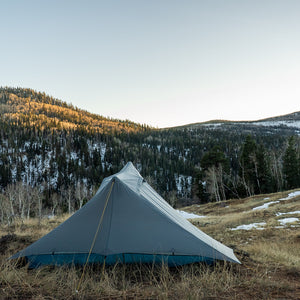
[00:02:33] Tayson: All right. Okay. Keep this moving on, Highline. So the hard just to not confuse things. The hard line challenge was the name that we gave everything. In preparation for this, the series of hikes that led up to this Etc, but the actual Capstone of this was The Highline Trail through the winter mountain range, so that trail was typically, it's about 104 miles. The route that we had selected to go around some Deadfall in a burnt area, was going to be 107, according to the map, but we are consistently tracking about 10% more miles on our Garmin devices than the trailhead us. So 115 plus probably was about, you know, what the trail is going to end up to be, but this Trail starts off. We're gonna hike it from the east to west and so we start off kind of basically, in the middle of nowhere, got kicked out of the car like 10 p.m. or something 9 p.m. the night before we wanted to take off. And then we were going to be hiking through the mountain range. Now that the trail itself goes through the highest point for the most part, through the highest points in sections of the mountain range, you're staying basically write down the divided line for a lot of it. And so you're on average, you're well above 10,000 feet in fact over 80% of the trail is
[00:03:48] Brigham: over 10,000 feet. So lots of high elevation and that comes into play. I think is we'll get into the actual Trellis itself. So any other thoughts that we need to just cover as far as just what the heck we're about to talk about. And And details of the trail, Maybe. I guess a little bit of the premise on like, our planning. so, We're a small company. There's not a lot of us here. And so it's been pretty unrealistic for like, even a couple of us to go. to leave the office for a number of days like, you know, most people I'm probably the average is like closer to eight days that people will do it. And some people will do it like even longer but not, I don't know. So like it's just not feasible as a company for even two of us to be gone for that long and then personal life, you know, family life. But As for the group that went, it was basically impossible. Like that's not possible for our company to have, basically the entire leadership team gone for more than a week. So some part of the premise is doing, you know, accomplishing this in a short window of time and that will discuss it later. But that, that kind of increases the importance of scheduling and covering certain amount of miles and stuff like that. So, you know,
[00:05:25] Tayson: it's a ya 100 plus Mile Trail that we're trying to do in a short window of time with not a lot of room to not a lot of wiggle room. To have a slow day or a delay of any kind, really, right? I mean, it was back in 2018 or a few of us from the office. Derek here, you were there with us. We went up in hiking and ever since we hiking I was, I was in fascinated with the, with the Highline Trail because so, fascinated with this Wilderness Area that high elevation area, And just everything to do with it. And so, even when we met Brigham and brought you on in 2019, correct me if I'm wrong on that. But we've talked about it so much even since then, and it wasn't until this year where we're like, you know what? If we all get in super good shape? And You know, just really prepare. We could do this in five days, and if we can do in five days, then we can actually do this. Because if we're gonna take eight days or 10 days to do this, like a lot of people, Not an easy ask for business. That's not an easy ask for family life, personal life etc, etc. So to me that has never been an option. That's why it took us this many years to get back out there and do this was, It's a Long Trail and until we were like, hey what if we hiked over 20 miles a day? And just did this, you know, is that possible? And if it is, then guess what we can go do this Trail and that kind of changed everything from the very beginning and that's where a lot of training came in and just the prep work of this. So I think that's a big
[00:06:55] Derek: premise of what we've been doing this whole summer is, you know, through the rest of the challenge. If you've listened to the other podcast episode about other stages of the Heartland challenge. A lot of it just been just kind of proving and showing ourselves and anyone else that's watching or listening, you know, you can you can do these bucket list trips and you can do all these things. If you're willing to put in the prep work time, if you're willing to prepare and all the other aspects that you need to prepare for it, it's something that's a lot more feasible than I think. Originally, a lot of
[00:07:23] Tayson: us had thought so really quick. Tyler, I think. You had mentioned previously, that you looked at some of the stats that you collected in preparation for this hike and for some of the fastpacking stuff we did. Do you remember what some of those stats were, you know, off top your head as far as like what we did for the summer and yeah, like miles you logged during the summer and
[00:07:42] Derek: it was in it was like what I want to see. You said
[00:07:45] Tayson: 300 miles or something like that. Training that you accomplished. You know, the three or so months before
[00:07:52] Tyler: I can probably pull it up, but yeah. As far as the running and Hiking that we did for the summer, we were all well over 300 miles in our our training and then the actual hiking that we did through the hard line. The other thing was, I had set a goal on my Strava account to just do two Mount Everest worth of ascent in my hiking or running for the year. And I'm 3,000 feet away from that as it sits right now. So we did, we did over 50,000 feet of climbing
[00:08:33] Derek: in the summer. I just pulled up my Strava statistics right now, actually, in And what I've got is 363 miles basically this summer and and mine might be a little bit because I did start start tracking some of this and and I think March beginning of March, I was also training for some other things before we had actually decided to do the Heartland challenge. But overall, the training, I was doing for like half marathon and stuff personally, also ended up playing into my training for the hard lines. So I mean just that's one number for me, is about 363 miles. Yeah.
[00:09:04] Brigham: So smart. Well, I'd also add, you know, for the listener. That maybe hasn't been following along or you know just kind of bring people up to speed or give a little bit more context, going back to how I mentioned. You know, we're trying to do it in a small window of time and there's little margin for error. And somebody listening that could already be in, like, great, long distance, shape might be asking the question. Like, well, what? Why why all this talk about like training and preparation? It goes. A lot of it goes back to the fact that we are a company leadership. Team going. We have a window of time and we want to accomplish a goal but it's also, you know, there's liability on all of us. There's The fact of we want to get as much value out of this trip as possible and there's all so. We want to we want to finish. And so having, you know, just As a team, as a group, collectively doing our best physically to put ourselves in the position to accomplish the goal and finish it. It played a huge part into it, you know what I mean? Like we would just want to reduce as many variables that are going to prevent us from You know, finishing or doing accomplishing the goals. So you know, anytime you're you're training and preparing for something, it's just going to help you, you know, no matter how fit you are or how unfit you are, you're gonna start where you're at and then you train and you're gonna get better. So I think that was also like a key point for us is that we couldn't really have people that work up to the task. So it was, there's there had to be some buy-in and some commitment for sure. Yeah. And
[00:10:52] Tyler: at the beginning in the summer, like tasting, Brigham and I weren't running consistently Brennan, wasn't either. I don't think so. It was really just daring and Derek. They were running consistently prior to this. So we just wanted to see how fast we could get up to par and how what it would take to get all of us on the same kind of Baseline. As far as Fitness and Pace goes, and we proved you can do that in about two months.
[00:11:21] Tayson: I don't wreck. Mended I would say this, you know, they, they give you guidelines of like, increasing your mileage like 10% a week. I want to say and in order to hit our goals, we had to increase it faster than that. And I think that increased injury for us. Like, I know for a fact, if I could have dialed back to my running, a lot of the injuries that I was working through, would have been way easier, but instead, I kind of was ranting up Mi still and then it caused me to you have to do extra, you know, rolling and extra like they're a gun type stuff, and just be extra conscious of all of that stuff. But yeah, I mean if you had a little more time, you can you can ease into it a little bit better and a little safer on your body. I would say without as much risk but we'll cover a lot more of those details. I'm sure in the future that we got so many good takeaways from all the training and from things that we can pass along that I promise you will be super beneficial to listen to for now, let's let's keep the focus for a minute, just on the actual Highline and the epicness of the trail and just how how awesome it was. And and the accomplishments, I guess that we that we did achieve out there on the trail. So let's just dial it back to night one. Knight one, we drove the, I don't know, three and a half for every hours out to this Trailhead. It was like seven from here. So but from where we picked up everyone and had everyone in the car. So we drove out there, stopped got some Costa Vida on the way and then got to the trailhead and basically just pitched our tents right at the trailhead our faithful Taxi Driver, Eric he headed home which by the way he texted me today and said that he's he really wants to do the trail now after watching the Highline video. So if you haven't seen our video on this, go check that out on our YouTube channel, but he was pretty amped up about it. So yeah, we basically pitch our tents right there. And in the morning, the plan was just
[00:13:20] Brigham: to get up and start off day one. Day one had some interesting nuances. Brigham you plan the trip for the most part, I can let you plan the campsites and stuff like that. So give us some of the details of day one and what we were looking at having to face Yeah, they won on the Eastern end of the. You went to range is. It's really wooded and it's like a long gradual Ascent towards kind of like the High Country. I mean, we still started like above probably 8500 feet. Like, that's where we camped tonight before but Um, we had to do. like, I don't know somewhere around a 25-mile day and in we had The first known water source was about four or five miles into that days. Stretch. So going into it, we knew that there was all. So a 20-mile stretch where there wasn't water accessible after that first water source. So, in the 25-mile day, The entire remaining 20 miles after that first water source. We're going to be dry. So we need to go going into it. We were going to have to carry extra water, a lot of water, but as far as like the trail it was it was a really enjoyable actually, even though it was like, you didn't have like expansive views or you know, much to see other than kind of forest. And then, you know, some some big open Meadows here and there, but I thought it was really Pleasant. The weather was good that more, you know, it was clear blue skies, decent temperatures and I think going into it all of us expected day one to be the grind day. Like just get one day one over with and then we'll be happy. But I think all of us were surprised at how green it was in the trees. Know the amount of vegetation stuff that's growing underneath the trees and even though the views weren't as expansive, I quite liked it. I thought it was really pretty and and turned out to be not so much of a grind that day in terms of like I don't know that the walking was still hard and and the carrying out much water, it was hard and stuff, but it actually turned out to be a very enjoyable day of hiking still.
[00:15:35] Derek: I think, if we're if we're gonna compare it for me at least between this day day one, and any of the days on the On the last stage of the Beaver. Fastback way easier by far than anything on that would existing just like Brigham said to me, even though it was like a 25 mile day, he was, he was pretty gradual, gradual easy, I mean by the end of the day you're tired, but that was the only really hard part of. It is just, you're kind of just tired. But yeah,
[00:16:01] Tyler: we knew we were gonna be sleeping at 10,500 feet or so. And that we were starting at like 8 5 5,
[00:16:29] Tayson: It was gnarly, like I was like, I would never want to take a side-by-side or anything up, this road, it would have been so miserable. So once we got to that Lake, how much water were you guys? Carrying to cover 20 more miles that day?
[00:16:43] Derek: I had about four liters, I believe, three or three or four liters. And I think I had four. Yeah.
[00:16:48] Tyler: I had four plus probably half in my B3 filter. Yeah, half a liter so four. Yeah,
[00:16:54] Tayson: I thought I had four and then after we got on the trail a while I realized I had five or more. So yeah, I almost wanted to dump out water at that point, but I don't think he ended up doing that but Yeah, so we had to carry quite a bit of water, and I mean, just for perspective, if you got four liters times that by about 2.2 pounds. So you got eight, nine pounds, worth of water just extra work carrying plus. Day one, you've got the majority of all your food for five days and so on so forth. So that's one thing. Worth mentioning most people that
[00:17:24] Tyler: do Highline Trail have a resupply point, they'll drop food a lot of places and we weren't flying on that at all with it being just five days. So, in some ways we were carrying more food than what a lot of people do when they go, By.
[00:17:39] Derek: Yeah. Even with that though. My my package that only weighed just just barely over 30 pounds I believe. And so I think that's I think that's something significant Dimension with all the water and the food. If we're just 30, 35 pounds, I think we're doing pretty good for five days.
[00:17:55] Tyler: Yeah. And doing that many miles was high calorie days like we all packed probably between 3,500 and 4500 calories per day. So let's hear
[00:18:07] Derek: if you're me at the end of day. One 11,000 calories. Yeah, I got confused. And know, I just said, I love 1000. I mean, 1100, how many calories are in my dinner
[00:18:18] Tayson: after after the beaver, hike and how bad I was feeling? I was I completely changed some of my perspective on packing food. And so, you know, as we're getting into lunch on day one, I get to pull out my food, and I was stoked, because basically, my strategy changed from just really high calories per ounce, type food to look, we're gonna burn, six to eight thousand calories. Today, I'm going to be running at a calorie deficit. You know, going from really high calorie pounds food to average, I would say average but still like a little bit of focus on that might change me from like 4000 Cal to 3,500 calories in the day, but I can get a way bigger variety of food and maybe foods that I like so day one. Yeah, I pulled out. I pulled pulled out what Brennan had a essentially on the beaver Fastback because it looks so good, which was the tortilla with like sausage and bacon bits and Mayo packets. And I was very happy with that and I got to eat that throughout the remain of the trip. I had some other times but then I got on a trip since then and I packed this. Same thing, it's been enjoyable. Every time we're just glad he liked it because I mean,
[00:19:23] Derek: tell you what, you pull out this thing and look at what tastings and looked disgusting, like this
[00:19:27] Tyler: blank and peanut butter full of
[00:19:31] Tayson: Mashed Brown look like Sam death inside
[00:19:35] Tyler: was looking at Tayson was eating.
[00:19:43] Tayson: You guys I don't know. I would the man for whatever reason I crave Manny's on the trail, I don't eat mayonnaise like on a daily basis ever. But on the trail like that fatty substance, I'm like all about that texture and and just, I don't know, but it was great and I stand by that.
[00:20:03] Tyler: That's what you use instead of do pouches.
[00:20:04] Tayson: Yeah, yeah straight male patches just they're based, they're free at the deli. You know, you walk over, grab a few on your way through the store and you're good to go. This little But no. So we stopped for lunch at this point where I don't know how many miles in probably about think around 12 and a half. So we'd done really good mileage to that point. We have our lunch. We take I don't know, 30 minutes or so. Take our feet out. I've been using a longer pad. Got to kind of lay down, really enjoyed that. And then we hit the trail again and this is where things started to get interesting. All right, so speak of the devil. Brandon just hopped on the call for those. You don't know Brandon he's helping out the customer service. Actually, today I have heard is your last day out of vitals for the time being
[00:20:49] Brennan: today. Sadly. Very sadly is my last day outfit for the time being as mentioned. Yeah,
[00:20:56] Tayson: that's pretty sad. When I think Darren told me that and I was like, no way. That's terrible news. That's the worst news of had all day Brennan. So I'm sad to see you go, but you actually jumped on, right? As we finished talking about, finishing up lunch on day one and starting to hike again. So we're just gonna let you take over.
[00:21:18] Brennan: Convenient time to have me jump on. Just queued it up for you. Yeah, so after lunch, for those of you, I think the episode is now live on YouTube. For those of you that have already seen it, you'll be you'll know what happened right after lunch. That's when I kind of got sick and basically battle, yeah, basically battles growing up for, for the rest of the. The trip that I was that I was a part of These Guys. These guys said that it was because you looked at what I ate for lunch and it made you sick. Is that
[00:21:49] Tayson: just let him know. That's not true.
[00:21:50] Tyler: Do you remember his bacon and Mayo the bacon Mayo? Tortillas,
[00:21:54] Derek: squishy, brown stuff in a bag.
[00:21:55] Brennan: That actually sounded good to me. Thank
[00:21:58] Tayson: you. Thank you. All right. All right. Sorry.
[00:22:03] Brennan: Yeah, after lunch, I don't know, we still don't really know what it was. We've talked about kind of a few times what, it might have been, or what it could have been that made me sick on this trip, but my stomach just really never felt so from the start of the day and I talked to patients about the few times. But right after lunch, I threw up. Multiple times and basically felt empty for the rest of that day. Luckily for the rest of that day, I kind of held it down. There's a few more times where I did throw up and mainly not later that night but yeah, I was a rough go from that lunch point. Kind of started off. Yeah, there was a moment calorie deficit the whole time. So
[00:22:45] Tayson: there's a moment where you went off to go, use the restroom and the next thing we hear is you puking, and I think I just looked at Brigham and thought, oh man, this is not the What we want to have happen on day, one of
[00:23:00] Brennan: this, but I've never thrown up on a trip. That's the first time I've ever thrown up on a backpacking trip. And I really didn't feel like I was gonna throw up, I really, it was normal when to launch, I was gonna use the restroom and the second, I kind of found the spot that I needed to use the restroom like instantly. I just felt like I needed this girl up, and it didn't take long for that happened. So,
[00:23:22] Tayson: Yeah, you spent a good like five straight minutes going through the motions of throwing up over there? So like I could just go on and on. But
[00:23:30] Brennan: yeah, after that, for sure.
[00:23:34] Brigham: I mean, I think there's a lot of concern just instantly that flared through me and and I think the rest of the team. But I mean, what were you guys thinking? When this happens, I mean, we're halfway through day one, you know, we're 12. We're probably 13 to 14 miles into a hundred plus miles. Um, well yeah. I mean yeah, when you when we looked at each other, my that was I mean those are the thoughts were going through my head was like this is not, this is not good. I mean, it was a pretty I like we knew the route, we knew what we had to do and you know, throwing up. Is. Takes somebody that's just living day to day life at home. They get the flu they start throwing up. What contributes to their ongoing. Feeling really crummy is the dehydration that occurs from all the vomiting, the diarrhea, things like that. So that's why one of the more common things to do to just get feeling, better is to drink some Pedialyte and stay really hydrated. That's when you're just saying on a couch feeling sick. So like, that's the thought that's going through my mind was soon. As I hear the throw up is you know, even if that was just a one-time thing, that's a massive evacuation of fluids and Yeah, I was just kind of looking ahead at how that was going to play out and it didn't look good.
[00:25:05] Tyler: Yeah, I remember looking at my watch and seeing that we were at about 9,500 feet right there and just thinking like oh we're gonna be 3,000 feet higher than this and then day or so. So if it was elevation sickness That was gonna get a lot worse. So we're kind of wondering about that, but I'm in the main thing was just like concern and questioning like If it was gonna pass, or if it was going to be something that was there for the next. You know, foreseeable future.
[00:25:40] Brennan: Yeah, that and the thing that really kind of, at least gave me over wanted me to keep going is like right after I had thrown up. I I felt a lot better like instantly a lot better even though, like what we know happened as we continued, I didn't end up feeling better, but it was just for me, the big worry was just going to be catching up on fluid. So, you know, it's already hard enough to stay hydrated on a backpacking trip and as we go throughout the trip and talk about the rest of the day, and they too, that's what kind of scared me. Was that is the fluids. That was upsetting me the most, you know, not the food. You know, if any of the same getting small amounts of food, kind of settled my stomach. But is the fluid is that was making me feel sicker and sicker, which is kind of what gave me the most worried going on. So
[00:26:27] Tayson: alright, so we've still got, you know, 12 miles to go in the day. And so we basically keep going and we're just trying to tee off of how you're feeling Brennan. So take us through kind of You know, the next few hours but not before dinner of how the hike went and what you were thinking.
[00:26:46] Brennan: I remember the next few hours wasn't really the worst part of that day. For me. I mean, I know we slowed down a little bit, but I don't feel like we were super slow getting to dinner. I didn't really have an appetite. I remember and didn't really want to eat anything. I think most of you guys ate dinner at the campsite, but what really killed me was climbing up to that the water source that we because, for those of you that are not sure they talked about it, but we didn't have water for most day. One, we were carrying most of our water and we were planning on ending at a late that day and I remember, we had to climb quite a bit aways flying quite a bit to get up to that Lake and the river that we ended up finding the campsite. And I remember that being not the hardest part for me. So I really didn't get any fluids or food for the rest of that day. And I started to feel at that late after noon as we were starting to get that climb up to camp.
[00:27:39] Tayson: Remember, as we kind of pulled into, we cross basically a stream, it actually Canal a man-made Canal, which it was. I've never seen one of those in the middle of a Wilderness Area or Forest, but across that we thought, you know what, let's find a place to Camp right here. It would be a little bit better for Brennan a little bit better for all of us to to get stopped. So we get stopped. I remember, I was kind of trying to help you get your stuff set up and then I said, hey Brandon, let me go get your water and you can, you know, you can try to get some food down and just, just try to relax. Try to get your heart rate down and stuff. And by the time I got back with your water, you were asleep. I mean, you were out. I
[00:28:17] Brennan: was exhausted. I might, I I got some food out. I think it was Tyler. Gave me some of like those Vida crackers. They're like almost like like this off crackers that you get on an airplane that are really kind of light on your stomach. And I remember eating one of those but I just remember being so physically exhausted from the calorie deficit but I just felt right asleep. I don't remember. Tayson bringing the, the water back to my table. But that sleep really only lasted about an hour and a half or two hours when
[00:28:46] Tayson: oh yeah. Inside through the water, kind of in your vestibule and I think I finished setting up my Camp. I can't remember if I ate or not, or what we did there about 6 p.m. that on the trail, right?
[00:28:58] Tyler: Four miles before we got to camp and I was a good strategy because if you if you wait until you get to camp at 8 or 9, you're completely spent. So that was a good little thing we did. Yeah,
[00:29:10] Tayson: we did. We did that. Actually every day the trip where we'd actually get up, try to hike about an hour, we'd stopped for breakfast, you know, and then hike and try to take different breaks throughout the day. But then also, we, we would try to eat dinner between 5 and 6 every day. And a lot of times that meant we were going to hike. After dinner, we were typically in our own campsite by the time that
[00:29:28] Derek: happened. But I did find that it was really good to have something quick. When we get up before, you know, we stopped breakfast. Like make sure you in the bar or something. But yeah, I thought stopping for the bigger meals and whatnot. The end of the hike actually works really well. As long as you were eating, like I said, you still needed something when you wake up.
[00:29:46] Brigham: Yeah. And I think the whole strategy behind that is the like taking those longer, those breaks throughout the day. So you're rarely the goal is kind of that rarely. We would be hiking for longer than say, three hours in a row, without taking a stop. So hiking an hour here, then a breakfast, then a couple hours, then a break, then a couple hours, then, lunch, you know what I mean? It, basically breaks up the whole day to where. So, if you're only doing 20 miles, it's way more manageable than waking up, getting out of your campsite at say, nine nine or 9:30 in the morning and you still got 20 miles left and then trying to get to your campsite before you have dinner at night. It's we I think we all kind of appreciated trying to up this way. Plus I found personally, I love to hike I like to hike in the morning and I would I know that but I actually really like to hike after dinner. You know, not that we're trying to push it or anything like that. Not, not from like a digestive standpoint that never really was an issue for me, but more so that hour of the day walking, that's when the most Wildlife is out. So, when the sunsets happening, it's when a lot of the stuff is, it's cooler temperatures. I just really found out that I like hiking, you know, that our hour and a half or so that we'd hike after dinner, was basically, some of my favorite time on the trail. Well, those are often the hardest miles
[00:31:00] Tyler: like, especially on that one, we did 26 and a half miles that day. So those last three or four miles to do them on an empty stomach would have really sucked, you know, like the way Brandon did it when yeah,
[00:31:12] Tayson: I mean, when we were on the beaver fastpack, when I was running at that calorie deficit, basically there was the limit that as soon as I pushed over this limit of effort, I just felt like trash and it was really kind of like, I think how fast your body could potentially burn fats and stuff before it, you know, just ran out of fuel. There's a certain Pace, I'm sure that your body can do that in. And so if there's like a steep climb or I pushed a little too hard. You'd feel that fast I think that's what Brandon is kind of describing. Here is towards the end of the day. We did have a bit of a climb straight you know up to where we can camped and I'm sure that put you into your tent feeling pretty crummy Um yeah, by the time that so I came back through the water and as vestibule finished setting up my tent and I'm like, oh I better go. Hang my bear bag and 30 minutes later. I had I had a rodeo of a time hanging my bear bag. Got a pair tied up. What did I do? I tied a rock. No. Yeah I try to rock around the end of my I think that I didn't have a bear bag to throw couldn't find any other place to hang except right. We're Brigham had put his stuff so I throw it up there. It's just I'm laughing. You guys probably don't care, but I throw it out there loops over the branch perfect. Throw catch the end of the string and also, and I just see like home alone, like, where the paint jug is swinging down the stairs directly at the dude's face and slashes into him. And I see this rock coming straight at me and I'm like, oh, it's terrible idea. So I dropped the cord, jumped at the side rock swings by, I'm like holy smokes. So then I spend the next, like, 20 minutes. Trying to duplicate that beautiful throw that I had on throw one without hitting myself in the face. And then once I finally got it, I had to like, hold up my bag as high as I possibly could stand on my tippy toes and jump to get the other end of the rock. It was like, I was so frustrated by the end of the 30 minutes from comical to, like, I hate bears and hanging Bears. Well, you guys
[00:33:10] Tyler: made fun of me. The first night that we stayed at the trailhead because as soon as my head hit the pillow, I was snoring and everyone else was like still putting their stuff together but that second Night. Which was their first night on the trail between Brennan like, well, you were making enough noise that it sounded like you were wrestling in a cow like you were like, like breaking branches everywhere and it was like you're yelling and doing all this stuff. And then all the sudden Brennan like wakes up and starts throwing up again, and then I, I just couldn't go to sleep that night and it was weird because I realized my heart rate was like, 130 while I was laying there in bed and I was like, what is going on? And so I had to like, Do all these breathing exercises to try to get my heart rate to go down and I I realized it was probably the elevation that was just had me going. But I was also wondering if Tyson was trampled by a cow and also wondering if Brennan was gonna survive the night. And so there's just like that was not a comfortable night for me even though it was a good
[00:34:08] Derek: camp spot. There's all kinds of things I missed on that night. It seems I, I'm hearing all these stories. I'm like I was asleep this whole time. I didn't I didn't see any. And I woke up with to Brennan throwing up, I I thought tasting was just cattle going through. Like they just they just break stuff but
[00:34:26] Tayson: great, thank you and I was sleeping
[00:34:30] Derek: knocked out. Didn't hear any of the above mentioned stories? Yeah,
[00:34:33] Tayson: I did not fall asleep. I think so. Tyler might have those off. So I know the whole chain of events but by the time I got into my tent and was laying down, it was like 10:00, I want to say and mine and Tyler's and Derek's tents were all close enough. I mean, I there was like if I rustled or moved, like, I could hear it. I can hear Tyler. Moving. Um, but I was the same thing as Tyler I typically. When I sleep, I'll get a resting heart rate in the low 40s and some nights. I'll even get it into the high 30s. My resting heart rate, like I was dead. Like I'm I'm going in and out of, you know, coma. But when I would like that night, I think my resting heart rate got down to 71. And when I was laying there, I was doing the same exacting. Tyler was on what looking at my Garmin watch, seeing my heart rate in like the 80s 90s. And I'm trying to do these breathing exercises. I just about doze off and then Allison here. Oh my god. Oh, and then I just like be spiked back up again and then Tyler would start moving and I'd start moving and then it was like, all right, let me just breathing exercise for 30 more minutes. By the time, I got to sleep that night. It was about midnight and it was just it was it was something there's a lot. I want to talk about with elevation because That was significant. And I, for those of you don't know, eventually, we will say eventually, but probably sooner than later, we actually are going to retail some of the Garment products that we use through the summer. And just have, I mean, we've used in reaches for a long time. The watches became critical and I can't believe how much I've and love with the watch. But the amount of even data we could pull on the trail, such as just watching your heart rate taught me a lot about elevation and basically the thing was for me when I raise an elevation because I duplicated this a few times now, even just a trip I was on a week ago. My resting heart rate at night. Those first few days at elevation does not come down and and then it also starts to affect Things like the Teague, Garmin like this thing called body battery. Your body battery does not recharge when your heart is all that jumbled up. But anyways, needless to say, on that night, I didn't fall asleep till like midnight and I knew that Brandon was probably in for a longer night, then any of us.
[00:36:39] Tyler: Yeah. I remember asking Brandon, if he was okay, and he didn't answer. So then I was just like, he probably passed out hanging halfway out of his tent because he was just throwing up. And then, and so, then I was like, yeah, part of it was the worry, but part of it was The elevation? Yeah.
[00:36:57] Brennan: Yeah, I know that night I track my heart rate a little bit too. I was a little bit more normal. I definitely not low because I'm usually like my resting heart rate and I had like 45 and I think I was my lowest that it got that night was like low 60s. but it wasn't too bad but right around when Tayson said about 11 oclock, Was the first time I threw up that night and then I threw up about every two hours after that if you're around one three your breath for. So that if anything that got me empty empty. I like literally zero food and zero water. After that, I drank I did find cases water that he gave me. And I drink probably about a half a liter throughout the night but ended up going somewhere else later on. So and that was far enough away. Tried to walk far enough away that you guys wanted to hear me. It's a lot. The last few times,
[00:37:46] Tayson: I think he did a good job. I don't remember hearing you up throughout the night, so I asked you in the morning when you told me kept throwing up, I was pretty bummed. But that is incredibly concerning I think. Like, in night time, that's typically when you have an opportunity to maybe rehydrate on a day like that, and the fact that you didn't and didn't have that ability was was definitely concerning to start day two out with. I mean, that information was pretty heavy to hear in the morning.
[00:38:10] Derek: So, when I asked you in morning of day two, I remember. I went over. I had the camera rolling and I asked you. So how you feeling today? And your first comment, as well, to keep a kid friendly. Not great.
[00:38:22] Brennan: I remember saying that for
[00:38:25] Derek: you were feeling pretty bad the next morning
[00:38:27] Tayson: and I was like, okay,
[00:38:30] Derek: I fell asleep at like nine and didn't wake up to like six, I'm very excited. I woke upside down and out of my sleeping bag but I slept great like I didn't even did. You guys even use your sleeping bags last night or pads? I didn't, I just fell asleep on this rock. He used to sleep on the stairs and I was a kid.
[00:38:51] Tayson: I have no doubt my mind that that is 100% true. Oh,
[00:38:58] Brigham: All right. So Brigham, itinerary Master. What was Tate day? Two gonna look like for us as we went through out. Well, day two was gonna be the day. For that early on. We kind of got above the tree line, kind of start getting into the the more the High Country the Alpine And what was its kind of more. The traditional like you went to Highline scene. And that that happened pretty quick. I don't know we walked for like maybe 30 minutes before we kind of came out of the trees and Yeah, I like we would have that all day. That hike is You know, you get up above tree line, and you're walking along kind of the, The Highline of the mountain range. But then you just go, it's just a kind of a cycle of getting up with Tree Line, traversing, and then going over a pass and then going down into kind of a basin back into the trees, you know, trees and Meadows, and then up over a past, and then back down and that, that first morning at it became, Really clear that we were going to have plenty of water opportunities to filter, you know? Because there was just, there was water that we didn't even know was going to be there. Meaning just their streams everywhere Springs little ponds lakes and it was it was like that morning. When we got up there was like the for me it was a great feeling because I knew it was just gonna be like that the rest of the trip and I just I love that kind of terrain and It's just beautiful, even you know, you're above tree line, then you get into little clumps of trees, and there's just grass everywhere. when we stopped for our breakfast stop, we had That perch we had above that giant Basin
[00:40:49] Tayson: was phenomenal. It was beautiful. And despite a little bit of wind just looking at this massive Basin and this massive Peak across the way, this cabin down in these green Lush Meadows. It was it was a great breakfast, stop a little bit of wind, but other than that it was pretty awesome. One thing I did want to point out there, too was It was really nice that Brandon had, you know, at a bare minimum. I think everyone should have like all Trails or have Maps downloaded. Some of the guys come out on the trip and they kind of rely on those of us that have them down downloaded. But Brennan, he was trying to hike his own hike. So when we'd stop for water and stuff, we'd get him water quick and then he just kind of keep moseying along at the pace that he, you know, could handle having no food in a system but I remember we got after this little bit of water and the trail teed and I was getting pretty nervous that maybe he had gone the wrong way and and whatnot. But you know you had Ultra Trails on your phone, which allowed you to stay on Route and was definitely helpful. As you were kind of hiking alone, a lot of day, two to go at the pace. You want to go out.
[00:41:58] Brennan: When I had, I had to learn pretty much all of day, two, until really, the very end. But what I think, I just realized is during that first part until we got up to water is like the schedule that we had laid out. Like, that's what I'm saying. Like, when we said don't push that, that's good. What works a lot great for a lot of people but it's definitely not for everybody. Everybody needs to find what works best for them on backpack and that's really what backpacking is, you know, Finding different gear finding different styles and kind of dialing me dialing it towards your preferences. I just remember thinking that this isn't how I typically hiked, like I never take a lunch break on a backpacking trip. You know, I usually just eat on the trail so I just decided to go back to my roots and just kind of, get out of how do you guys and kind of eat as I was going along. Usually only stopped for an early dinner on Hikes which is around 4:00 p.m. and so I just decided to go on my own pace and get as much food down. Whether it's a courtier, I choose. Have those on the trail, not that kind of kept me going and that's how I typically hiked. So I think that's why that's the most comfortable going that Way. And going at that pace, not taking those long breaks. So
[00:43:01] Tayson: yeah, one of the things I want to point out here too that was just a has been a big takeaway between stage four and this stage was Even running right when we're running. It's like okay well we can average four miles an hour but it's like ravaging four miles an hour while we're moving. Maybe maybe even faster at times but but a lot of times it Nets out to be less and so What's interesting to me and what's in general is Brennan wasn't taking as long of stops. He was eating on the trail eating on, the go drinking on the go. If we stopped we'd seen for two seconds and then he would kind of keep walking and most of the day we were battling to keep his pace. And so I guess the big takeaway for me is no matter how fast of a hiker you are. There's really no substitute for just time and motion. If you plan on taking massive, lunch, breaks, or dinner breaks, or this, or that, like someone who's hiking a lot slower than you can actually cover more miles? Just because he's, they're always in motion, you know, walking at a two Mall in our pace for three mile an hour Pace, you can kind of do some math on that. But I think that really intrigued me, just the fact that like even though we kind of talked about like you walking slower, at least, at least three quarters of that day. It felt like you are walking slower than us. You were ahead of us and we were catching up to you A lot of the time. Maybe we're taking a little bit longer breaks, you know, because we could potentially, but just that time in motion, really equals miles, and a lot of times people, I think get fed up. Like, I was just out with my brother's last week. And, and one thing that just kept coming up is like, all right, we gotta do five miles and they would get like in their head, they'd get this. This pace going like, man, this is like, filling forever and it's like, no like miles or miles. They're just gonna take as long as they need to take and if you come in with the right mindset and patience level like you just click off the Mi and when you're fastpacking those miles click off faster and that can be nice. But you know, a miles and miles and getting used to that and getting that patient's level can be really valuable for setting for for that and then all. So just that time in motion has a lot to be said about how much additional miles you can get down. Like we I don't think we could have done the 25 miles. We days. We did if we hadn't maybe laid out the days that we kind of did without a lot more effort like to make up time for not in motion is way harder than just staying in motion, I guess. I don't need any of that made sense, but kind of rant over ranin was killing it. You know. Staying ahead of us, most of the days we are taking our breaks and then trying to play catch up. So there's this one point, not too
[00:45:27] Derek: long after breakfast where we actually had to we actually had to go. I had I was the one that I actually had to go run to catch up to Brennan because he was a different route than the one we want to take and I think is what we were. Starting to go up over that first pass on day two and we wanted to go on a route that would wouldn't drop us all the way down to the elevation of a lake and then have to climb all the way back up. There's a route that would go kind of around the side and you want to lose the elevation then getting it back, but Brennan was going all the way down. We could see him win a distance and the wind was blowing really hard. So as loud as we yelled, it was just not even not even getting to him.
[00:46:06] Tayson: I ever like lightning legs go after. So pretty, tapped him on the shoulder before he could hear you with that wind.
[00:46:11] Derek: Yeah, I ran pretty much within 10 feet of Brennan and he's like hey we got to go the other way. Yeah. And and from there, we got it we got
[00:46:20] Brennan: what ended up but I would not have enjoyed that client much as the other one that we did. So yeah.
[00:46:27] Tayson: Yeah, I mean as a side note too, I think that we picked out that that side Trail. I don't even call side Trail, but just that route because I had brought some little handheld binoculars. I've got some Maven binoculars, which I love that company but I I have also like, that's something I, enjoy is watching wildlife and whatnot, and I was just kind of glasses around his basement. Being me, and I saw this trailer and I'm like, oh, the house like way better Trail, where's burning going? That doesn't look like the trail, we need to go get. So we run down and stop him, but that was one of probably two luxury items. I feel like I brought on the trip that I really really enjoyed. I used the crap out of binoculars and, and just enjoyed looking at the landscape up there. But
[00:47:05] Tyler: yeah, so that, that Lake where we had to redirect Brennan was probably at like, the 12 to 14 mile point. Maybe not quite that far
[00:47:17] Tayson: right now. We haven't had lunch yet. I'm like eight.
[00:47:19] Tyler: Yeah, so there was just so many lakes like, every single Basin, there was multiple Lakes. So much water up there, but as, as we went through, I remember again really hot in the afternoon after lunch when we were getting to this Lake. That was at like the 18 Mile point. And now that was like a lake actually had a road going up to it up from Vernal or Roosevelt and Yeah, I remember like looking at that and looking at the map and thinking, oh, we have 10 more miles today or or just under that and thinking is like, pretty late in the day, you know, and and pretty hot and just kind of wondering how Brennan was doing but Brandon was ahead of us again at that point. And so I remember a stretch, right? I think it was right after that late. Tasting and Brennan had gotten ahead of Brigham Derek. And I because we were getting more water and everything we went. So we had to go so fast to catch up like Derek was leading. I was trying to film a bunch and we were just really hauling. But by then it was like 4 p.m. and and by the time we finally caught tasting and Brennan after that wig.
[00:48:39] Derek: Yeah, well, another reason we were so far behind was also because That Lake that had the road going to it. The reservoir that there's an owl house on and gonna try to get rid of some extra weight in her packs because you know there was no garbage
[00:48:57] Tayson: there was a garbage bag we can check but yeah like Tyler said, when we checked there was not and so I mean we ended up having to carry all of our trash with us anyways but that was a bummer but I was really excited for a second. But yeah I mean I think that client after that Lake which again, this is like The probably the best Main Road, probably basically the only main road to get off Trail. And we actually learned later on that in a scenario where a lot of people will do food drops and stuff like that because it's, it's just one of the only places you have access to. But so we leave there and then we start hiking and I'm hiking with Brennan and it's uphill, it's a lot of people, a lot of Boulders and we're getting late in the day and we know according to the route that we're gonna head design, you know, we had to get up and over this past called North Pole pass today to stay on schedule and we had a lot of feet of elevation to go quite a few miles to go. It's getting later in the day, there's potential for storms and according to the watches, what, you know, on a computer saying was going to be 20 miles, was looking to Pace out at more than 20 miles. So we actually had more than 20 miles to to finish that entire day and I think that's when reality started to settle in because I'm walking with Brennan, I'm asking him. You know how hydration span because he's been hiking. A lot of the day alone mask, and how he's been able to eat and drink, and keeps talking about how really water and fluids was almost harder than eating and drinking was for you. Your body just was not agreeing with the fluids and it's really difficult to drink a lot without feeling sick. And I think at this point we're all starting to think, man. We've still got a lot of hiking to do tonight. And then we gotta get up and do it again and we're getting deeper and deeper into the Wilderness. And so at least I think me and Brandon that was starting to to come into the back of our minds, pretty heavily at that point in the day.
[00:50:51] Brennan: Yeah at that point of the day. So that whole day, all I ate was I probably had 10 High choose I did get
[00:50:59] Tayson: your sick right there, man. 10, High choose. Holy smokes. I
[00:51:03] Brennan: did like throw the whole day. Yeah, I love how
[00:51:06] Derek: to change and then I have like, five 15 in one sitting and Derek's. Like I usually all days
[00:51:12] Tayson: I pay for five an hour hiking
[00:51:14] Brennan: private, choose an hour. If I could and just try to get at least some sort of energy going, just that I had none. And then I had two full tortillas that I ate. I finished off the cookies that Tyler gave me, but that's all I and I did at breakfast. I remember getting down about half of my granola at breakfast.
[00:51:37] Tayson: Okay, we gotta pause. I just remembered an important event that happened on day one. Um okay I'm pretty sure Tyler is navigating us up this Hillside where there was no Trail, we got off the trail for a minute and we realized the trails up on this ledge kind of above us. It wasn't why we needed to climb to get up to this ledge. The Tyler led us underneath and we and you with your calorie deficit fluid all that stuff. We're climbing up this thing and you had a bobble even.
[00:52:09] Brennan: Well I forgot Brigham.
[00:52:12] Tayson: Fortunately saved your life there and kacha from falling backwards and falling onto this nasty. Sharp Deadfall. I totally forgot about that. I totally, I did too, but that was noted, that
[00:52:24] Brennan: I was like, 300 yards, like, straight up hill.
[00:52:27] Tayson: Oh, yeah, straight up. I don't know. I was thinking
[00:52:30] Tyler: you guys will have to watch the videos. That was Scary moment. Good job. Break out what you say Brenda. Yeah, life, right here. Yeah just
[00:52:50] Brennan: another reason to take tracking pools, if you don't take trekking polls on trips because if I didn't have Brigham and a trekking pool, like I was going down that Hill,
[00:52:59] Tyler: you're gonna be impaled by all those crazy nasty logs.
[00:53:03] Tayson: Yeah. Where that was, there was like a really sharp one right underneath you, but sorry to cut off. But that was that was like another just kind of showed the state that Brennan was in, you know, he slogging Along being incredibly mentally strong, but you're you're physical. Body was just It was getting beat down. I mean it was just getting it out, nearly 50 miles, you know what I mean? Without fluids, and and food. It's not a good scenario, not a good one at all. So so anyways, not to catch officially, we get through some of this climb and we and we get to this point where we say, you know what, let's stop here and grab food, you know, dinner and let's talk. And I think I might have been about the time you did. The other crew from behind caught up to us about 5 p.m. And I don't remember exactly how this this transpire. It's all you guys tune in but essentially it was here when we had some hard decisions to make